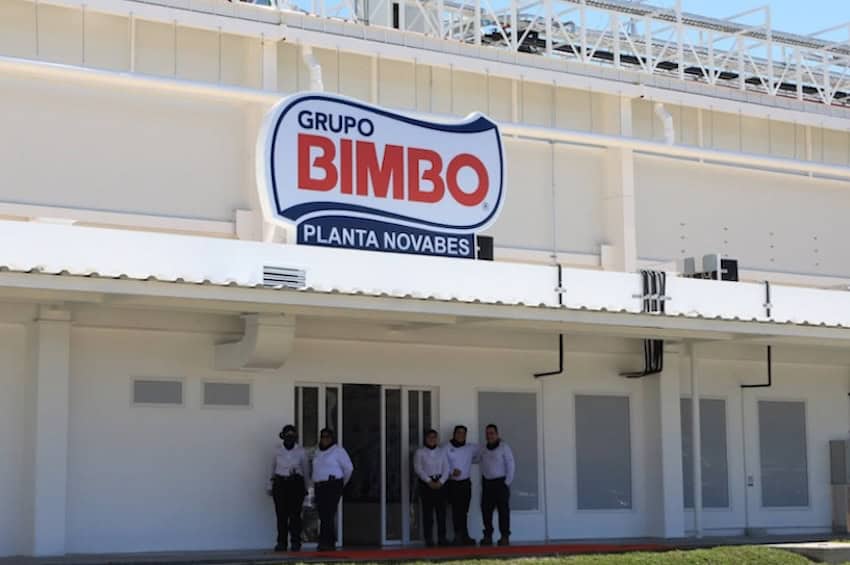
Grupo Bimbo, Mexico’s bread-based multinational food company, has reported that by the end of 2025 it had surpassed 500,000 hectares worldwide in its use of regenerative agriculture practice, accelerating the company’s path toward its goal of sourcing 100% of its key ingredients from sustainable fields by 2050.
The newly reported figure reveals a growth of nearly 73% over the 290,000 hectares reported in 2024.
“The company’s strategy, under its global framework of regenerative agriculture, aims to improve soil health through practices that help manage water use more efficiently, improve biodiversity, help increase yield per hectare, and seek to reduce and capture greenhouse gas emissions,” Grupo Bimbo said in a statement.
Grupo Bimbo said it assists farmers in the transition by providing knowledge and techniques for soil health. Furthermore, the initiative is being developed in collaboration with producers, suppliers, mills, research centers, and specialized organizations, focusing on strategic raw materials for food production, including wheat, corn, and sugar.
The program is part of Grupo Bimbo’s larger sustainability strategy called “For Nature,” which also includes actions related to reducing emissions, water conservation, decreasing packaging waste, and preventing food waste.
David Hernández, global purchasing director of Grupo Bimbo, said that the field is the starting point for the organization’s operations and that adopting these practices strengthens the resilience of the supply chain, in addition to ensuring the future availability of essential ingredients.

“Regenerative agriculture allows us to work closely with producers and contribute to the health of agricultural lands, while generating shared benefits for the communities with which we collaborate,” Hernández said.
The environmental strategy is also linked to the company’s program “Positive Nutrition,” which seeks to improve the nutritional profile of its products by developing a comprehensive approach that encompasses everything from the origin of the ingredients to the final product.
According to the company, 98% of its everyday consumer products already meet this standard globally.
The progress bucks the current trend of agricultural land increasingly deteriorating. The UN Convention to Combat Desertification (UNCCD) and other specialized reports have said that more than half of agricultural lands are already affected by some type of degradation.
With reports from El Financiero