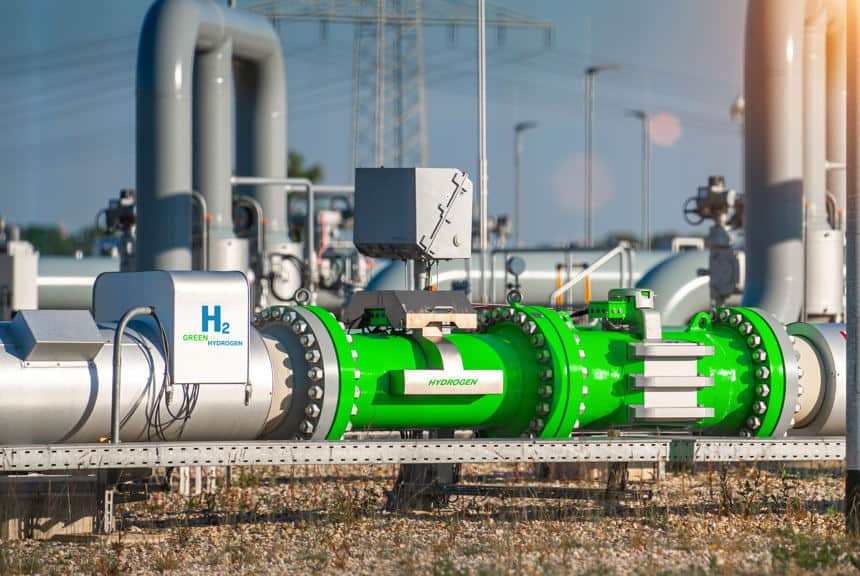
The Mexican Association of Hydrogen, Storage, and Sustainable Mobility (AMH2), in collaboration with Mexico’s Ministry of Energy (SENER), will fund 18 clean hydrogen projects in an effort to reduce greenhouse gases and nurture a nascent green hydrogen industrial sector in the country.
The initiative would involve a total US $21 billion in investment hopes to create 3 million jobs by 2050.
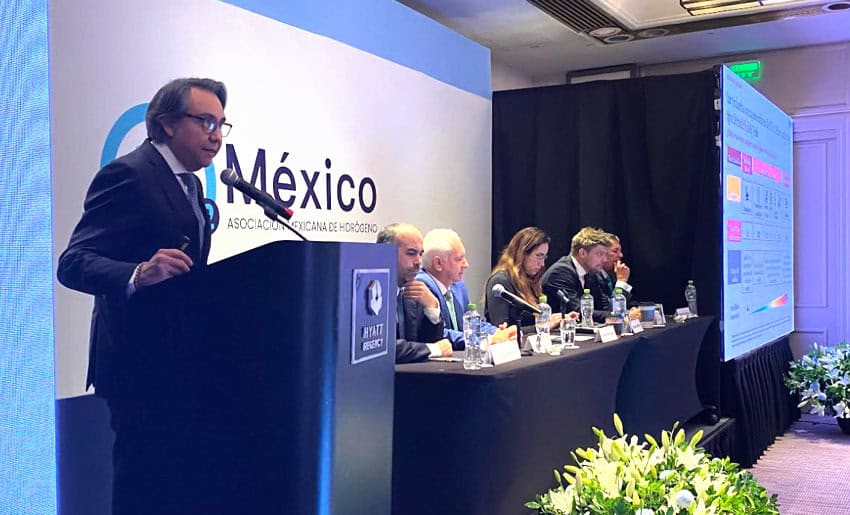
Israel Hurtado, head of AMH2, met with Jorge Islas, the Undersecretary of Energy Transition at SENER, Jorge Islas, to present the association’s Clean Hydrogen Industrial Strategy, an action plan showing how green hydrogen could replace fossil fuels in various industries.
Key points of the strategy include establishing a manufacturing sector focused on hydrogen production and focusing on the production of hydrogen fuel cells, electrolyzers and hydrogen-powered electric turbines, as well as both light and heavy hydrogen vehicles.
Islas and his team reportedly committed to collaborating with AMH2 to promote a green hydrogen industry in Mexico in an organized and efficient way.
“The green hydrogen industry would also boost the generation of renewable energy, which is crucial for producing clean hydrogen. At the same time, leveraging the potential of clean hydrogen could significantly help decarbonize the country’s economy,” Hurtado told newspaper El Economista.
Mexico’s Paris Climate Agreement commitment is to reduce greenhouse gas emissions 35% by 2030.

Hurtado added that AMH2’s strategy includes wide-ranging recommendations for execution, such as support for infrastructure development, technology adoption, training programs to build human capital and creating an inter-institutional monitoring system.
According to the industry association, Mexico is an optimal region for renewable energy production. Its hydrogen production costs are 64% lower — at US $1.40 compared to US $2.30 in other countries.
However, Islas said Mexico will face challenges to properly develop the nation’s green hydrogen industrial sector. Mexico needs to develop sufficient infrastructure, establish certifications and regulatory standards, as well as create a comprehensive national hydrogen strategy and reduce hydrogen production costs.
Incentives and tax benefits would also encourage clean hydrogen production, he said.
With reports from Reporte Índigo and Forbes Mexico.