
Honda will not be building its next-generation Civic hybrid in Mexico as originally planned, according to the news agency Reuters.
Sources cited by Reuters say the Japanese automaker was influenced by the threat of tariffs from United States President Trump on goods from Mexico and has decided to manufacture the Civic — one of its top-selling models — in the U.S. state of Indiana.
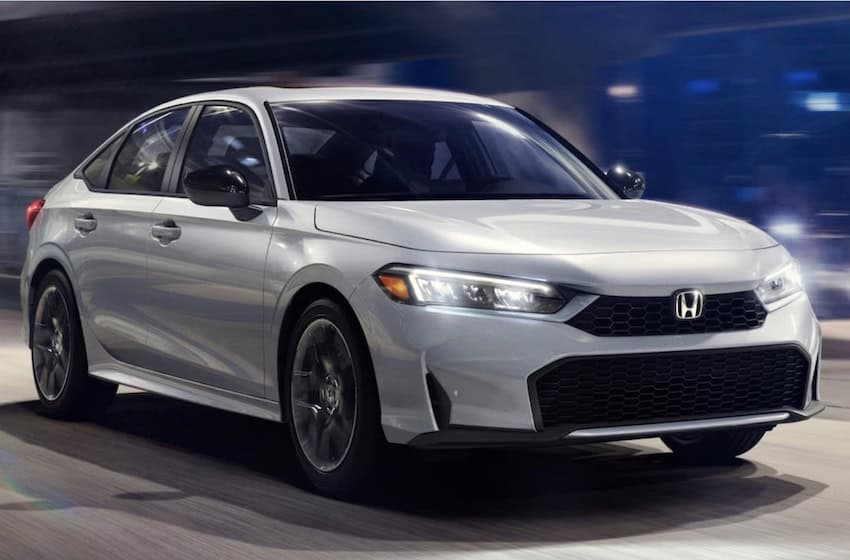
Honda had initially planned to manufacture the new Civic model in the Mexican state of Guanajuato, Reuters reported, adding that “production was slated to start from November 2027.”
One source told Reuters that Mexico had been chosen “because rising costs were making it tough to produce the [Civic] in Indiana and Canada.”
U.S. sales of the popular Civic, which is appreciated for its affordability, rose 21% year-on-year last year, according to Honda. Reuters reported that the company “sold more than 240,000 Civics, both gasoline and gasoline-electric hybrid models” in the U.S. in 2024.
Is Honda the first domino to topple on the tariff game board?
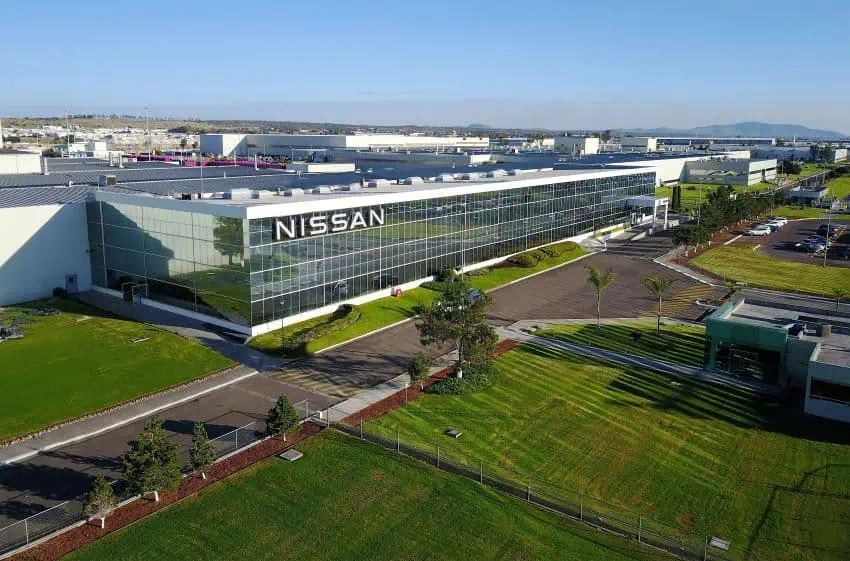
Several companies in the automotive sector — including Nissan and Nemak, a leading auto parts manufacturer — have said they are considering relocating production if faced with new duties, but Honda’s move to the U.S. would be the first large operational readjustment in the industry.
Honda has not officially commented on the reports about the next-generation Civic, saying it will continue to consider “optimal production and allocation globally,” in addition to demand and the business environment.

The company has been weighing its options in the face of new tariffs since November 2024.
Shinji Aoyama, Honda’s Chief Operating Officer, said then that Honda would have to think about shifting production if the U.S. were to place a levy on imported vehicles. During a call with analysts in early February, Aoyama said a 25% tariff on imports to the U.S. could cause an impact of over US $132.7 million on the company, according to the industry publication Automotive Dive.
The tariff blade could cut both ways. If Mexico or Canada introduce retaliatory tariffs, Honda could face additional cost increases since it exports around 60,000 cars made in the U.S. to Mexico and Canada.
Roughly 80% of the 200,000 vehicles Honda produces in Mexico are shipped to the U.S. and nearly 40% of all Hondas sold in the U.S. are produced in Mexico and Canada.
Reuters reported that Honda’s case highlights the potential for disruption “in industries that cannot drastically alter production plans in the short term given the investment and different production lines in use for different markets.”
With reports from Reuters, Expansión, Automotive Dive and Reforma