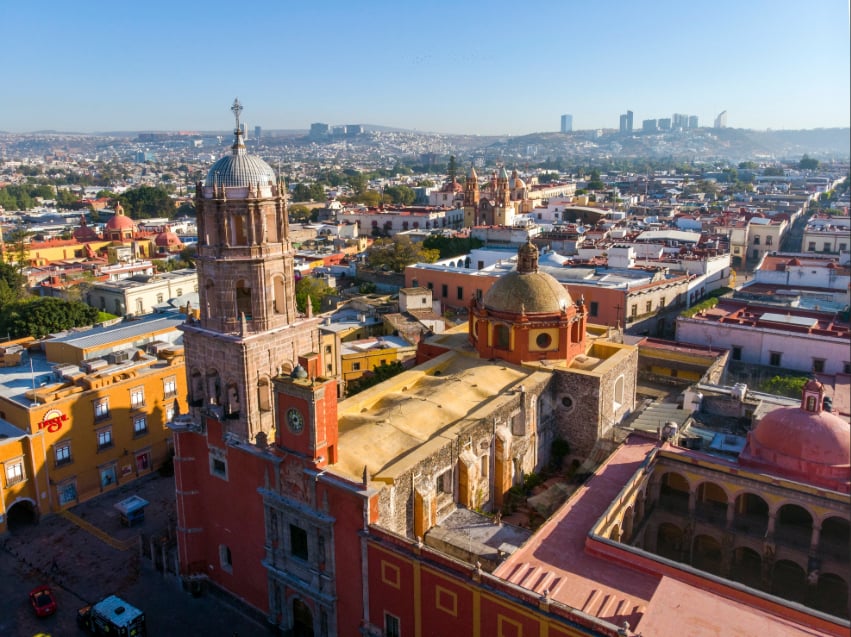
Mexico City remains Mexico’s most competitive state for business, while Querétaro — the country’s data center hub — ranks second, according to an analysis by a Mexican think tank.
The Mexican Institute for Competitiveness (IMCO) published its 2026 State Competitiveness Index (ICE) on Monday.
According to IMCO, the ICE “measures the ability of the country’s states to generate, attract, and retain talent and investment.”
“A competitive state is one that makes efficient use of its capabilities to foster a favorable environment that contributes to improving its development and, consequently, the well-being of its inhabitants,” the think tank said in its index report.
The 2026 ICE — the 20th edition of the annual index — ranks all 32 federal entities based on their performance across 53 different indicators in six categories called “sub-indexes.”
The sub-indexes are innovation and economy; infrastructure; labor market; society and environment; law (which includes crime rates and citizens’ security perceptions); and political system and governments.
Mexico City ranks first in three of those sub-indexes — innovation and economy; infrastructure; and society and environment — and comes out on top overall for a 20th consecutive year.

Querétaro, which ranks first in the “political system and governments” sub-index, moved up four positions compared to 2025 to become Mexico’s second most competitive state.
Mexico City and Querétaro are the only two entities deemed to have a “very high” level of competitiveness.
The next three most-competitive states, each of which was found to have a “high” level of competitiveness, are Nuevo León, Coahuila and Baja California Sur. Nuevo León’s position didn’t change compared to last year, while Coahuila moved up three spots to become Mexico’s fourth most competitive state. Baja California Sur fell three spots in the ranking to fifth from second a year earlier.
On the other end of the scale, Guerrero is Mexico’s least competitive state, according to IMCO. The southern state fell one spot in the rankings to 32nd in 2026. IMCO said that “economic, labor, institutional and security shortcomings” limit the state’s capacity to attract investment and retain talent.
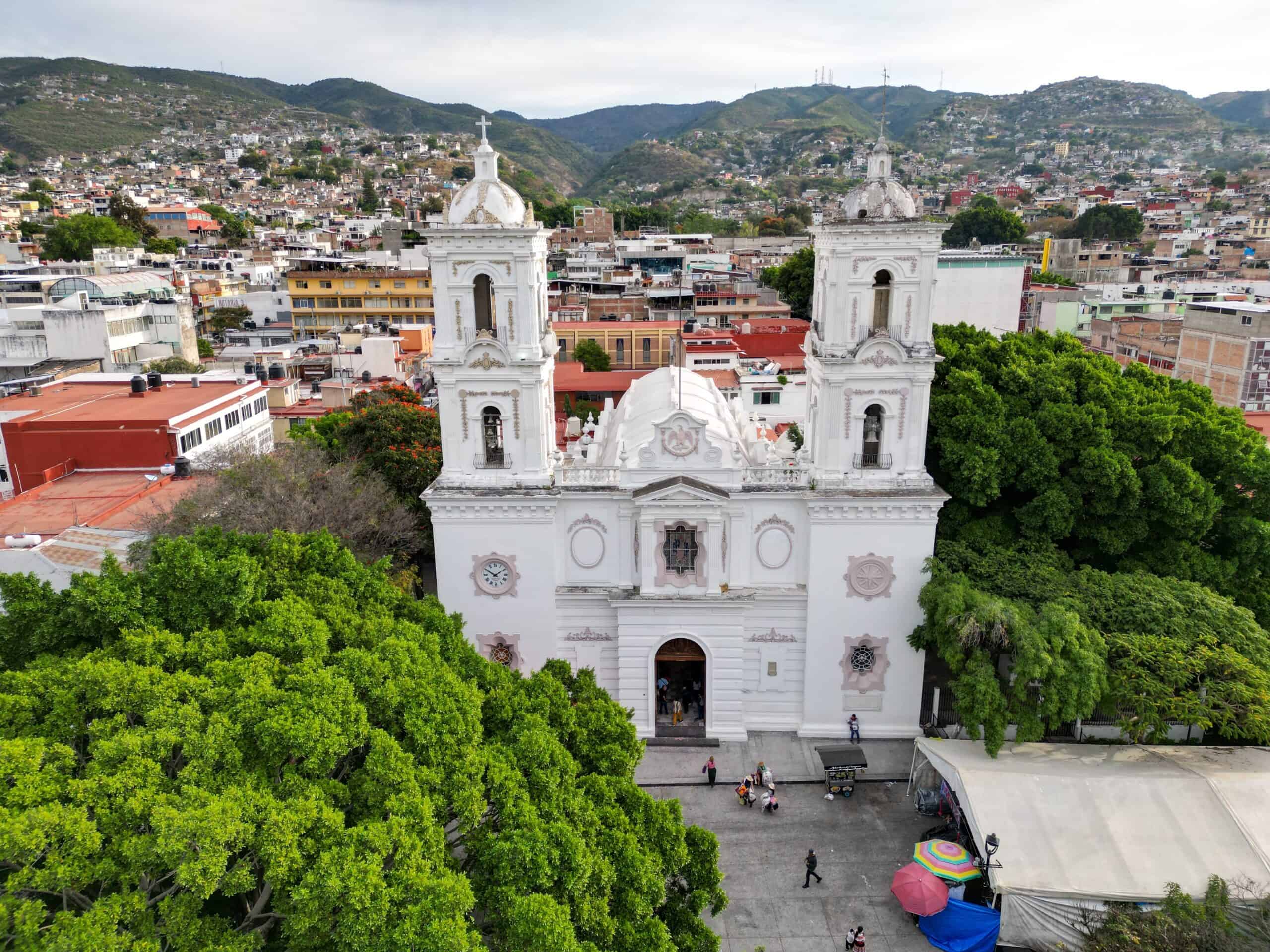
Oaxaca ranks as the second least competitive state while Michoacán is the third least competitive.
Guerrero and Oaxaca have “very low” levels of competitiveness, according to IMCO, while Michoacán’s level is “low.”
Chiapas, deemed Mexico’s least competitive state in 2025, rose five places in the rankings to 27th this year. Along with 10 other states, it has a “medium low” level of competitiveness, according to IMCO.
What makes CDMX Mexico’s most competitive state?
As mentioned above, Mexico City ranks first in three of the six ICE sub-indexes.
The capital ranks second in the “labor market” sub-index; fifth in the “political systems and governments” sub-index; and 28th in the “law” one.
In its index report, IMCO wrote that Mexico City “remains the top-ranked entity in the 2026 ICE 2026 by combining economic scale, talent, innovation, financial infrastructure, and fiscal capacity.”
The think tank said that 925 economic sectors operate in Mexico City and that 47.1% of the population has a higher education qualification. It also said that per capita GDP in Mexico — at 545,000 pesos (about US $31,500) per year — is 4.7 times higher than that of Guerrero.
Many large Mexican and foreign corporations have offices in Mexico City, while the main campus of Mexico’s most prestigious university, UNAM, is located in the capital. In addition, the federal government and most of its agencies and departments are based in Mexico City, as are some of the nation’s leading healthcare facilities.
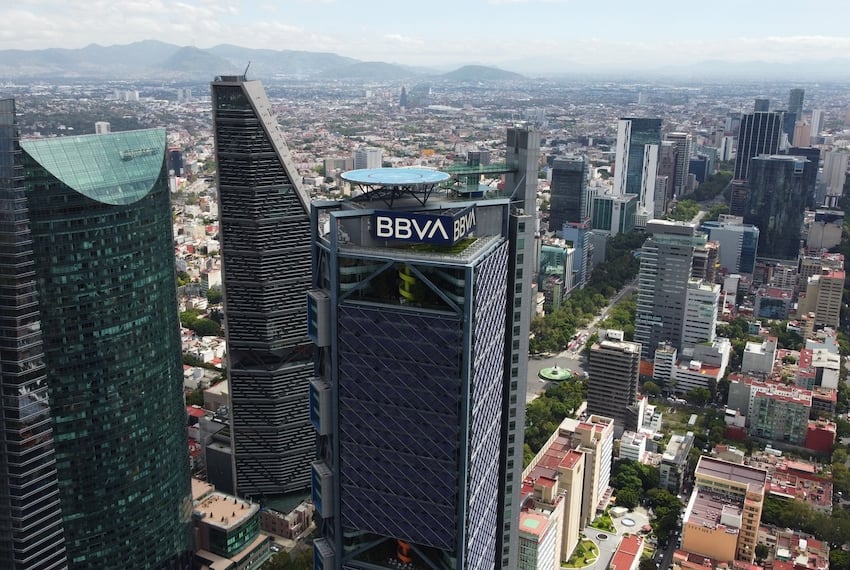
This helps Mexico City attract highly educated workers from around the country and abroad.
Still, Mexico City’s competitiveness faces “concrete challenges,” according to IMCO.
“Only 23.7% of the adult population feel safe and 88.9% perceive frequent corruption in the state government,” IMCO said, referring to the administration led by Mayor Clara Brugada.
“To maintain its leadership in an environment of geo-economic competition, the capital must translate its economic and fiscal sophistication into greater certainty, security, and productive linkages with national and international value chains,” the think tank said.
Querétaro, which has received billions of dollars in data center investment in recent years, ranks in the top 10 in all six ICE sub-indexes. As noted above, the state ranks first in the “political system and governments” sub-index, scoring particularly well on the “state debt” and “corruption perception” indicators. Querétaro ranks second among Mexico’s 32 federal entities in the infrastructure sub-index.
Así se ve el ranking del Índice de Competitividad Estatal #ICE2026🏆.
En esta edición, la Ciudad de México se mantiene en el primer lugar, Querétaro asciende cuatro posiciones🚀 hasta quedar en el segundo y Nuevo León permanece en tercero.
El ranking también muestra cambios… pic.twitter.com/lm0wF1wokj
— IMCO (@imcomx) September 21, 2026
10 states recognized for their ‘competitive performance’ over 2 decades
At the presentation of the 2026 ICE in Mexico City on Monday, IMCO director Valeria Moy and other representatives of the think tank recognized 10 states for the “competitive performance” and “strengths” they have maintained over the past 20 years.
Those states are Aguascalientes, Baja California, Baja California Sur, Chihuahua, Mexico City, Coahuila, Jalisco, Nuevo León, Querétaro and Sonora.
IMCO highlighted the strengths of each of those states in a statement.
- Aguascalientes (8th in this year’s ICE) was lauded for its “strong integration” with North American supply chains and for the “significant progress” it has made in exports and the attraction of investment.
- Baja California (17th in this year’s ICE) was praised for its “strong integration” with the global economy and its “sustained” strong performance in exports and attracting foreign investment.
- Baja California Sur (5th in this year’s ICE) was described as having a tourism-driven economy with a strong ability to attract investment, “relatively high wages” and “low levels” of employment informality.
- Chihuahua (15th in this year’s ICE) was singled out as Mexico’s “exports leader” during a period of 20 years.
- Mexico City (1st in this year’s ICE) was described as the country’s leader in talent and higher education over the past 20 years. The capital was also said to be Mexico’s “most efficient economy in electricity use.”
- Coahuila (4th in this year’s ICE) was lauded for being an “export powerhouse” in the automotive sector.
- Jalisco (6th in this year’s ICE) was described as having a “diversified economy” with a “capacity for innovation.” The state was also praised for fostering the growth of medium and large companies.
- Nuevo León (3rd in this year’s ICE) was lauded for its “highly trained talent” and “low” levels of employment informality. The northern state was also described as a leader in “innovation sectors.”
- Querétaro (2nd in this year’s ICE) was praised for its “dynamism” in the automotive, aerospace and data center industries. It was also recognized for its “high level of economic complexity” in the past five years.
- Sonora (12th in this year’s ICE) was described as a state with an “industrial economy with a highly educated workforce.” The northern state, which is also known for its high-quality beef, was praised for its “sustained” strong performance in GDP per capita and exports.
Moy: Water and energy are crucial to competitiveness
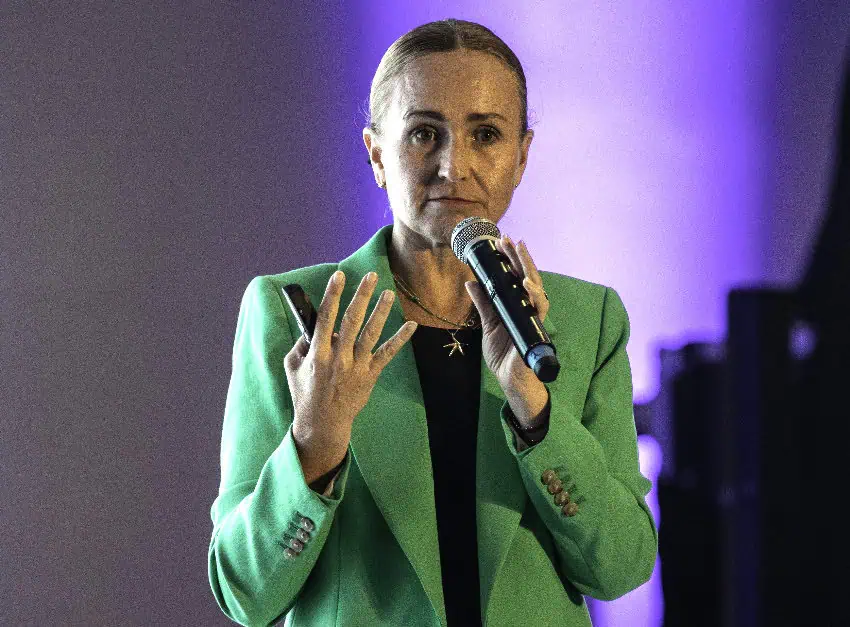
At Monday’s Mexico City event, Moy said that adequate access to water and energy is decisive to competitiveness in Mexico.
She said that each of the country’s states requires federal government support to ensure they have adequate quantities of the vital resources.
“We’re going to need electricity and water, and we know that these depend largely on the federal government —we’re very clear on that. The states won’t be able to manage on their own,” the IMCO director said.
“We urgently need a much more productive dialogue in order to have more electricity, [greater] supply and competitive prices. Otherwise, there will be no way to compete with the southern border of the United States,” Moy said.
With reports from El Economista and Reforma