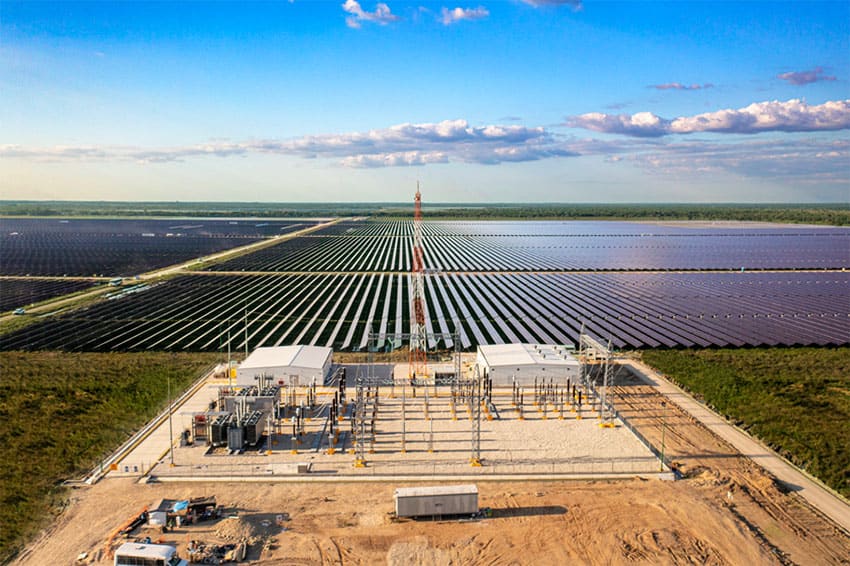
A new solar park with the capacity to generate enough electricity to meet the annual needs of over 300,000 households has begun operations in Campeche.
Built by United States-based company Atlas Renewable Energy in the southwestern municipality of Carmen, the US $440-million La Pimienta plant officially opened last Thursday.
Atlas said in a statement that the facility is now “fully operational,” adding that its 300-megawatt (MW) capacity makes it the second largest solar plant in Mexico. A 754-MW solar farm operated by the Italian company Enel in Coahuila is currently Mexico’s largest.
Atlas noted that La Pimienta will supply energy to the state-owned Federal Electricity Commission (CFE) under a 15-year contract “to support the power needs of the Yucatán Peninsula.”
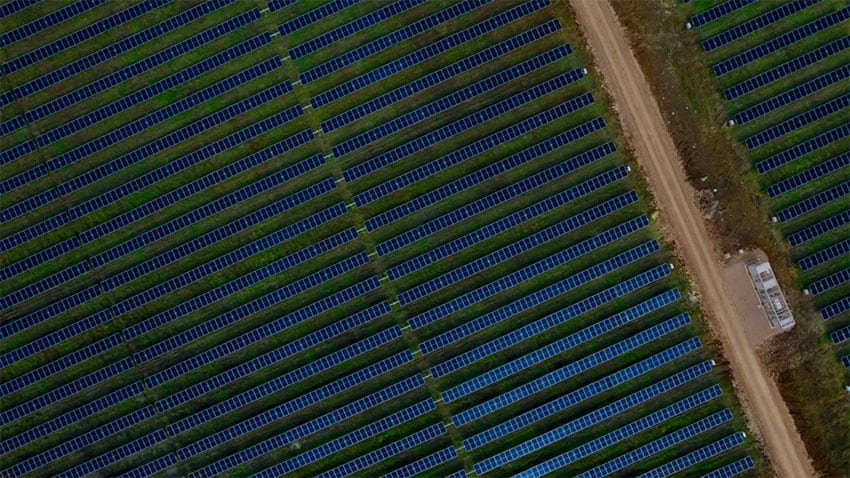
“… La Pimienta is composed of more than a million solar panels, which are spread across 651 hectares. The solar plant will generate about 789 Gigawatt hours annually, which could be compared to supplying enough energy to benefit more than 300,000 families,” the company said.
“La Pimienta represents the first large-scale solar renewable energy investment in Campeche, with the participation of high-caliber institutions including the Inter-American Development Bank (IDB), [Mexico’s] National Bank of Public Works and Services (Banobras), MUFG Bank, Sumitomo Mitsui Banking Corporation (SMBC) and Société Générale.”
Camilo Serrano, general manager for Atlas in Mexico, said at last week’s opening that the company is “very proud that our largest project to date is now fully operational.”

“This project is very special for us, as we are able to supply clean energy to the Yucatán Peninsula and avoid the emission of more than 1.7 million tons of CO2,” he said.
Serrano indicated that wind energy could also be generated at La Pimienta project at some point in the future.
Campeche Governance Minister Aníbal Ostoa Ortega and the United State’s consul general in Mérida, Dorothy Ngutter, attended the opening ceremony, at which the latter emphasized the U.S. government’s commitment to clean energy projects in Mexico.
Foreign Affairs Minister Marcelo Ebrard said at the United Nations Climate Change Conference in Egypt earlier this month that Mexico would collaborate with the United States to double its capacity to produce renewable energy over the next eight years.
In its statement, Atlas said that construction of La Pimienta created over 1,000 jobs, many of which were filled by locals. The company highlighted that it “trained 355 local women in technical skills and hired 165 of them, raising female representation [in the construction of the solar park] from a traditional 2% to 15%.”
With reports from EFE and La Jornada Maya