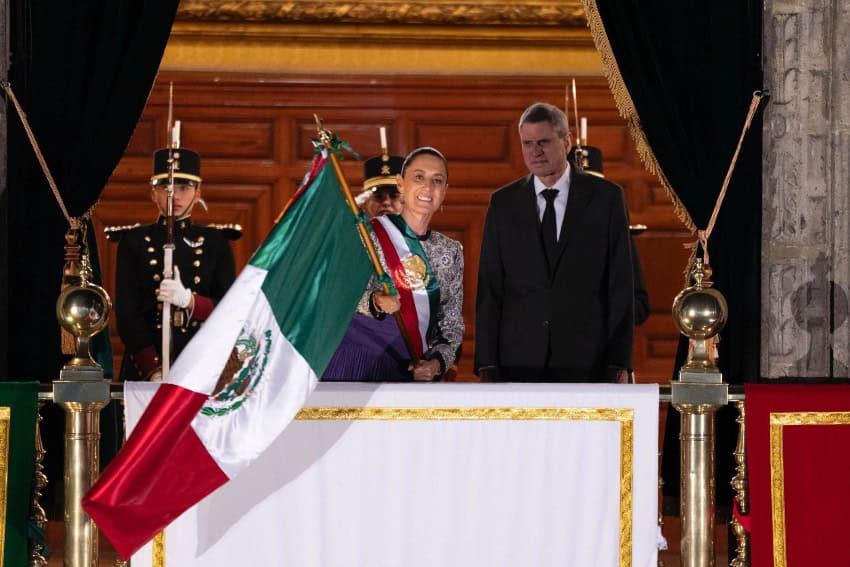
If you have been anywhere in Mexico during the month of September, you’ve noticed that something in the air begins to shift. Not only has the rain called a truce, especially in the city, but you see every corner covered in green, white and red as the middle of the month approaches. Every city and every town is getting ready for El Grito de Independencia, also known as El Grito de Dolores.
There are many myths around this holiday — one of the biggest, if not the greatest, celebrations for Mexicans. People dress up, host dinners with pozole and tequila, and gather to scream “¡Viva México!” at the same time as the current president, just like people did with Miguel Hidalgo in 1810 … right?
When did Mexico actually become independent?
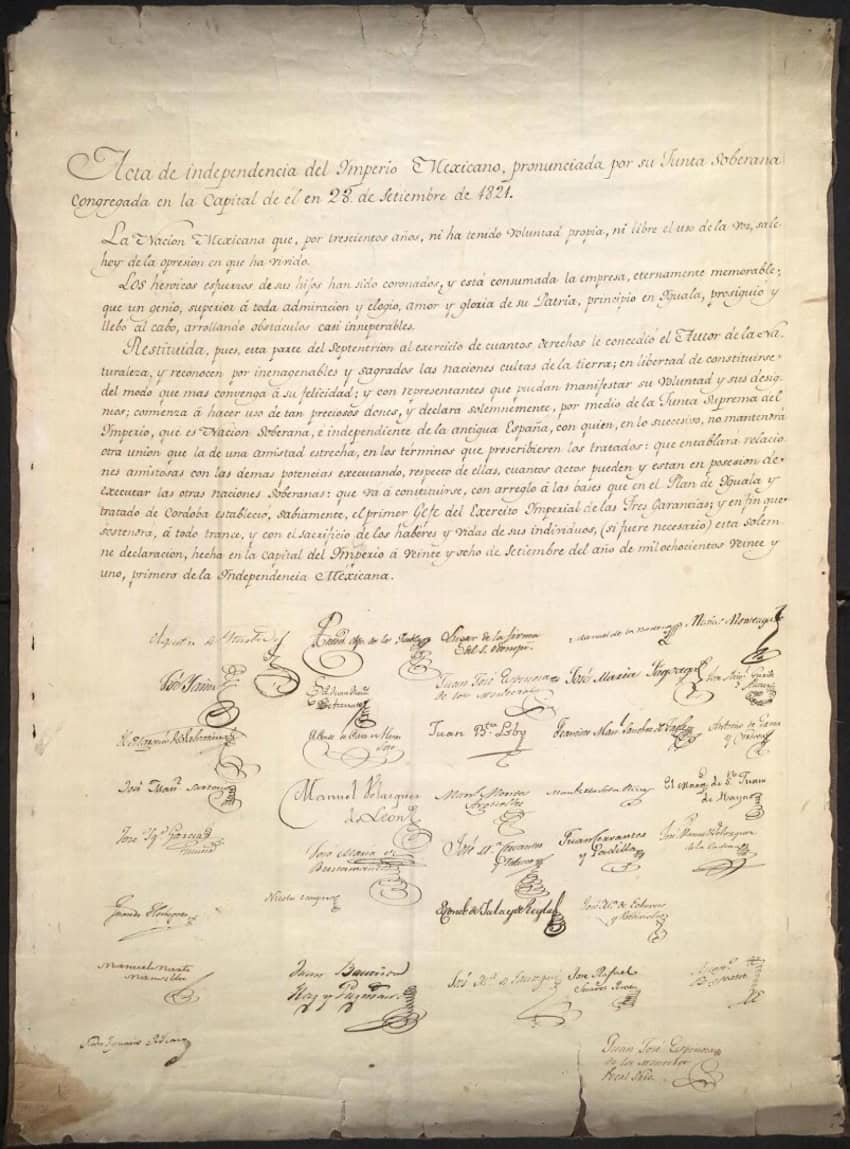
Before unveiling the truth behind some of the most common misconceptions, a disclaimer needs to be addressed. Although it is not exactly a myth, the date on which Mexicans celebrate their independence commemorates not when the conflict ended, but when it began. In other countries, the commemoration often happens on the day the document declaring the nation’s sovereignty was signed.
Nevertheless, in Mexico, both dates are close together, as they are both in September. The Declaration of Independence was signed Sept. 28, 1821, ending the 11-year armed conflict that had been ongoing since Sept. 15, 1810 … or was it the 16th?
Did El Grito happen on Sept. 15 or Sept. 16?
It is often a challenge to know whether to celebrate Mexican independence on Sept. 15 or Sept. 16. There is even an urban myth suggesting President Porfirio Díaz changed the official date of El Grito de Independencia from Sept. 16 to Sept. 15 to align with his birthday. Although Díaz’s birthday was indeed Sept. 15, historical evidence shows the tradition predates his presidency.
Regarding practical matters, the tradition of celebrating on the evening of Sept. 15 began much earlier — around 1840 — partly because it made more sense to stage fireworks, music and civic speeches in the evening rather than at 2 a.m. or 5 a.m. on Sept. 16.
A short history of Mexican Independence celebrations

This confusion is logical since the event happened unexpectedly. During the evening of Sept. 15, Miguel Hidalgo and the other members of the conspiracy received news that they had been caught and were forced to launch the uprising immediately. So, in the early morning of Sunday, Sept. 16, Hidalgo called on all inhabitants of Dolores Hidalgo, Guanajuato, to take up arms and initiate the war that would go on for 11 years. This version fits the context, as Sunday Mass was perhaps the most important gathering moment for a Catholic community.
What did Miguel Hidalgo really shout that night?
To explain what Miguel Hidalgo shouted that night, more context is needed. The Spanish crown had been stripping privileges from the Spanish population born in Mexican territory, also known as criollos. This meant that people who had Spanish parents did not receive equal treatment, including being restricted from accessing positions of power. Naturally, the situation made criollos angry enough to organize a conspiracy, though they were not initially seeking a complete break from the Spanish monarchy.
While there is no single consensus on what Hidalgo said, primary sources and early historical accounts suggest he praised not only the Virgin of Guadalupe and the Catholic Church, but also the then-imprisoned King Fernando VII. According to accounts documented by historians, Hidalgo’s call sounded much closer to:
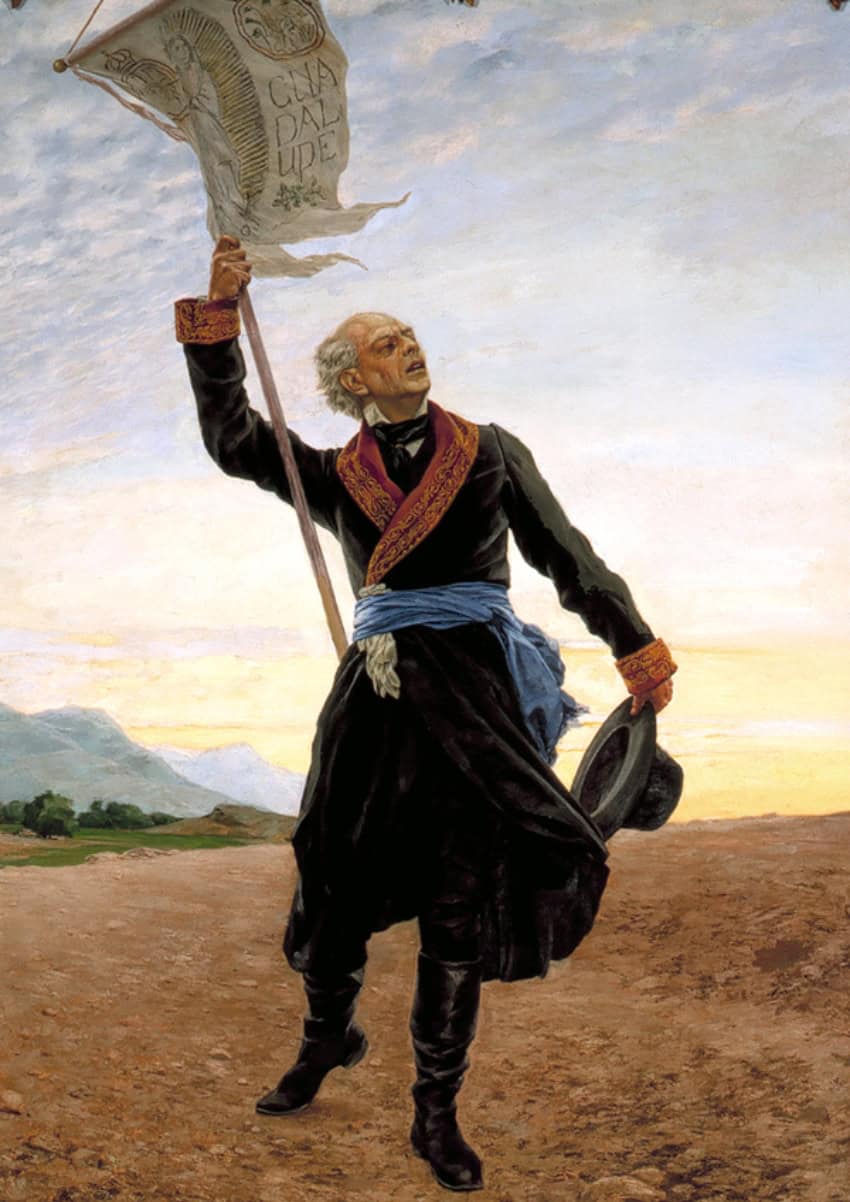
“¡Viva la religión! ¡Viva nuestra madre santísima de Guadalupe! ¡Viva Fernando VII! ¡Viva la América y muera el mal gobierno!” (“Long live religion! Long live our most holy mother of Guadalupe! Long live Fernando VII! Long live America and death to bad government!”)
To which the gathered crowd responded: “¡Viva la Virgen de Guadalupe y mueran los gachupines!” (“Long live the Virgin of Guadalupe and death to the gachupines!”)
The real spirit of El Grito
Although debunking myths can feel a bit like unveiling a magic trick, El Grito continues to be an epic start for an epic battle. Whether the cry rang out at midnight or dawn, or whether Porfirio Díaz moved the party to coincide with his birthday, Sept. 15 remains the heart of Mexico’s collective identity. The historical moment brings people together in gatherings where food, music and community are enjoyed at their finest. So, pour the tequila, dish out the pozole, and get ready to shout.
Lydia Leija is a linguist, journalist and visual storyteller. She has directed three feature films, and her audiovisual work has been featured in national and international media. She’s been part of National Geographic, Muy Interesante and Cosmopolitan.