The Tate Modern’s exhibition “Frida: The Making of an Icon” has become the most pre-sold exhibition in the London museum’s storied history with more than 41,000 tickets bought before its opening date.
That figure easily exceeds the previous record of 32,000 pre-sold tickets, for the British artist David Hockney’s exhibition in 2017.
The Guardian newspaper reported that demand for advance tickets was so high that people lined up for hours to get them. What’s more, the museum’s website crashed.
On social media, users compared the phenomenon to the ticket frenzy of Glastonbury, a performing arts festival known for its crunching ticket demand.
The audience’s extraordinary response was something that not even the Tate anticipated. In an interview with The Guardian, Interim Director Catherine Wood said that they were “pretty blown away by it.”
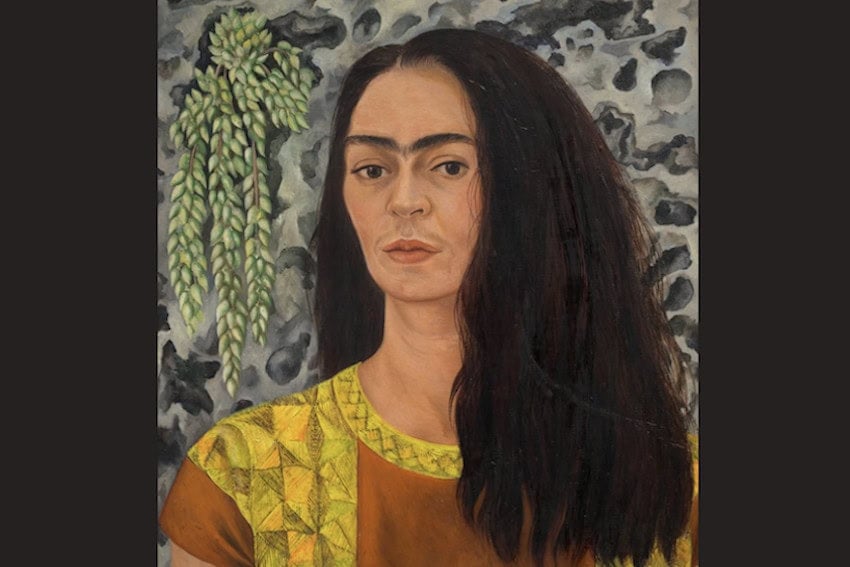
For decades, Kahlo has been a nearly omnipresent figure in popular culture, with images of her persona or art adorning everything from tote bags to T-shirts and coffee mugs. The new exhibition, which opened Thursday, aims to explore the commercial phenomenon around Kahlo and her transformation from a local artist into a global sensation.

“There are many Frida exhibitions, but this one is unique in its perspective,” Tobias Ostrander, the chief exhibition curator told newspaper El Universal. “It’s the only one that’s focusing on her as a cultural phenomenon, really investigating or building how we got to this moment of so much visibility, so much love, so much attraction to Frida’s story and art.”
The exhibition examines Kahlo’s legacy through over 30 paintings that bring insight into her various roles — the wife, the intellectual, the modern artist, and the political activist — in addition to 250 works by artists who painted the Mexican painter or who were influenced by her work.
The show culminates with a display of over 200 commercial items adorned by her art, image, style and persona.
“This exhibition tells the story of how we arrived at Frida as an icon, as an artist, as a Mexican or international figure,” Ostrander said. “Today she is the most famous female artist. She is at this level with Picasso, Van Gogh or Warhol.”
For Wood, Kahlo’s enduring relevance and her resonance with different cultural movements reflect a broader search for authentic figures in an era of political uncertainty.
“People are looking for forms of continuity and stability, for figures who are bold in owning their own life experience,” she said. “Although her life had lots of trauma and disappointments, she showed a way to live and survive and thrive.”
Kahlo’s exhibition will run through January 3.
With reports from The Guardian and El Universal