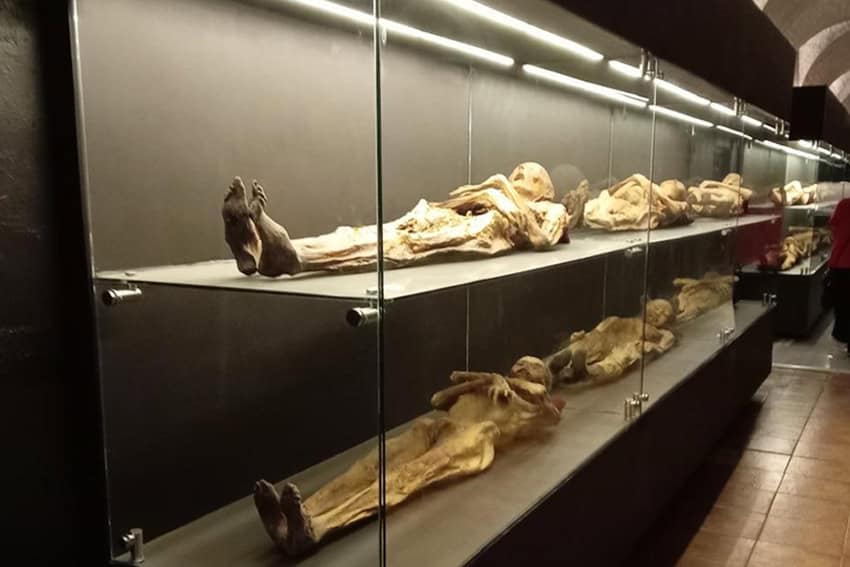
The federal government and the city of Guanajuato are squaring off — over the alleged mistreatment of the city’s famous mummies.
The National Institute of Anthropology and History (INAH), a federal agency, has accused the city of Guanajuato of causing damage to one of the historic 19th-century mummified corpses, which is displayed in the Guanajuato Mummy Museum.
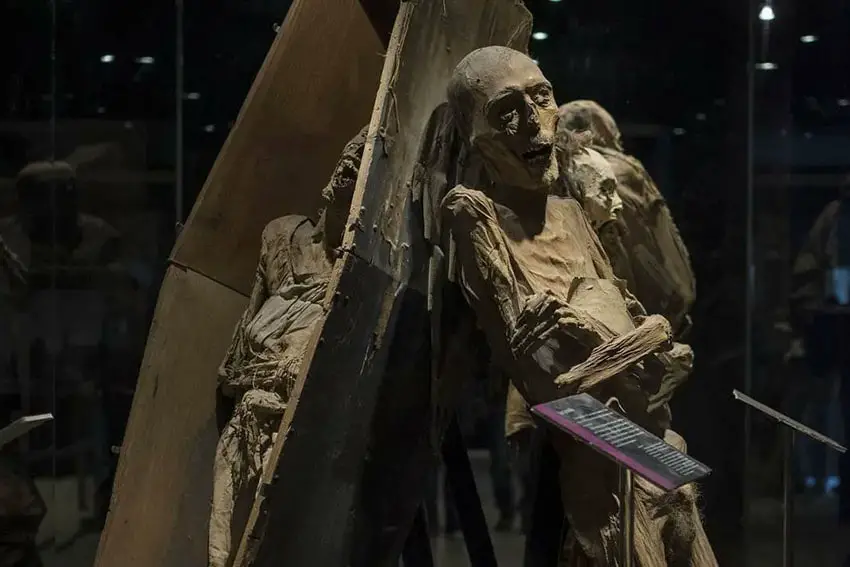
Following a complaint, INAH was made aware of damage to one of the Guanajuato mummies while it was being moved during museum renovations. The mummy’s right arm reportedly fell off.
While some media outlets reported that additional mummies had been damaged, neither INAH nor museum officials confirmed those stories.
Last week, INAH sent experts to the museum to document the damage and investigate what permits were obtained and what procedures were followed during the museum renovations.
On Monday, the institute issued a statement declaring that the museum’s mummy collection was being handled improperly and that “far from applying proper corrective and conservation strategies, the actions carried out caused damages.”
INAH criticized the museum proprietors for their alleged “lack of knowledge about proper protocols and the lack of training of personnel in charge of carrying out these tasks.” It also accused museum officials of ignoring an agreement to consult with the agency’s experts before beginning renovations.

The Associated Press characterized the dispute as “a turf battle between the INAH, which believes it has jurisdiction over the Guanajuato mummies because it says they are ‘national patrimony,’ and the city of Guanajuato, which considers them a tourist attraction.”
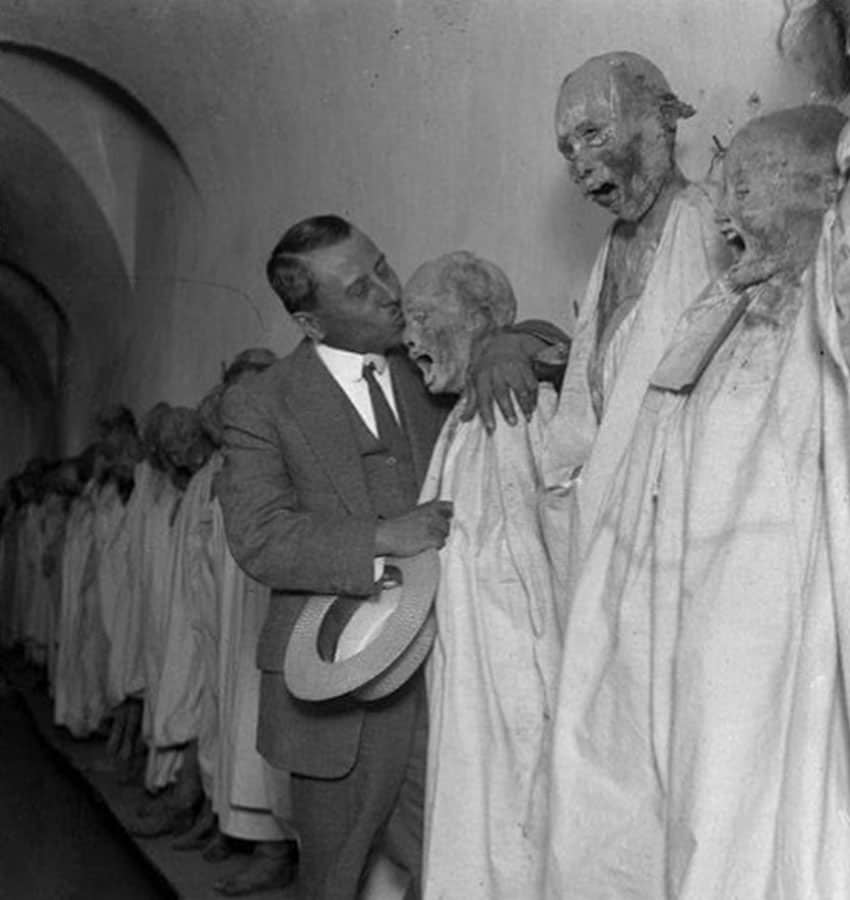
INAH has demanded that it be given oversight of the renovation project while promising to work in conjunction with municipal authorities. The institute warned that ignoring INAH proposals could result in permanent damage, if not complete destruction, of the historic artifacts.
Last year, INAH expressed concerns about an exhibition of six of the Guanajuato mummies at a Mexico City tourism fair, arguing that the 190-year-old corpses might have posed a public health risk because one of them appeared to have fungal growth, raising concerns about whether the glass display cases they were in were airtight.
On that occasion, INAH also said that museum officials had not consulted them about the transfer and handling of the mummies.
With reports from the Associated Press, La Jornada and La-Lista