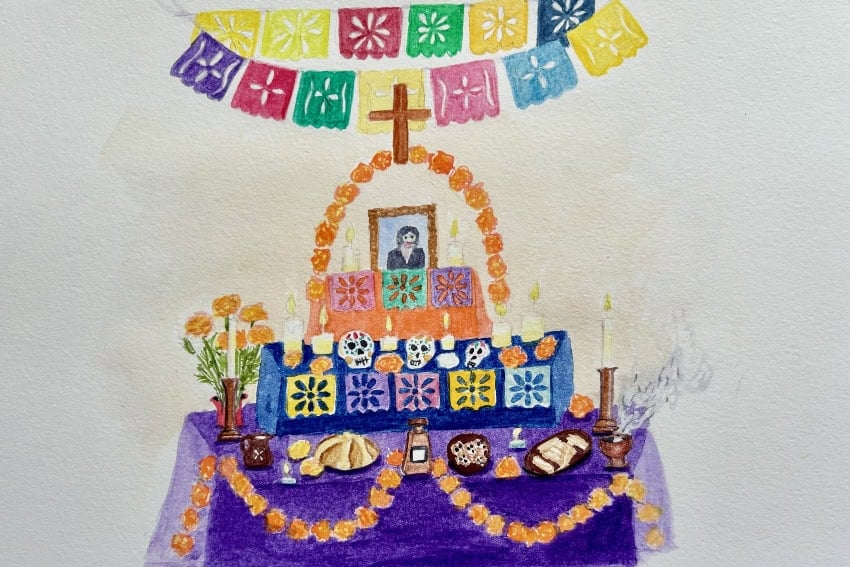
It is my favorite time of year. I love Día de Muertos, and seeing the ofrendas — or Day of the Dead altars — warms my heart. These altars are a tradition honoring loved ones who have died. Ofrendas celebrate the union between life and death and are full of vibrant color to help families remember and welcome loved ones home.
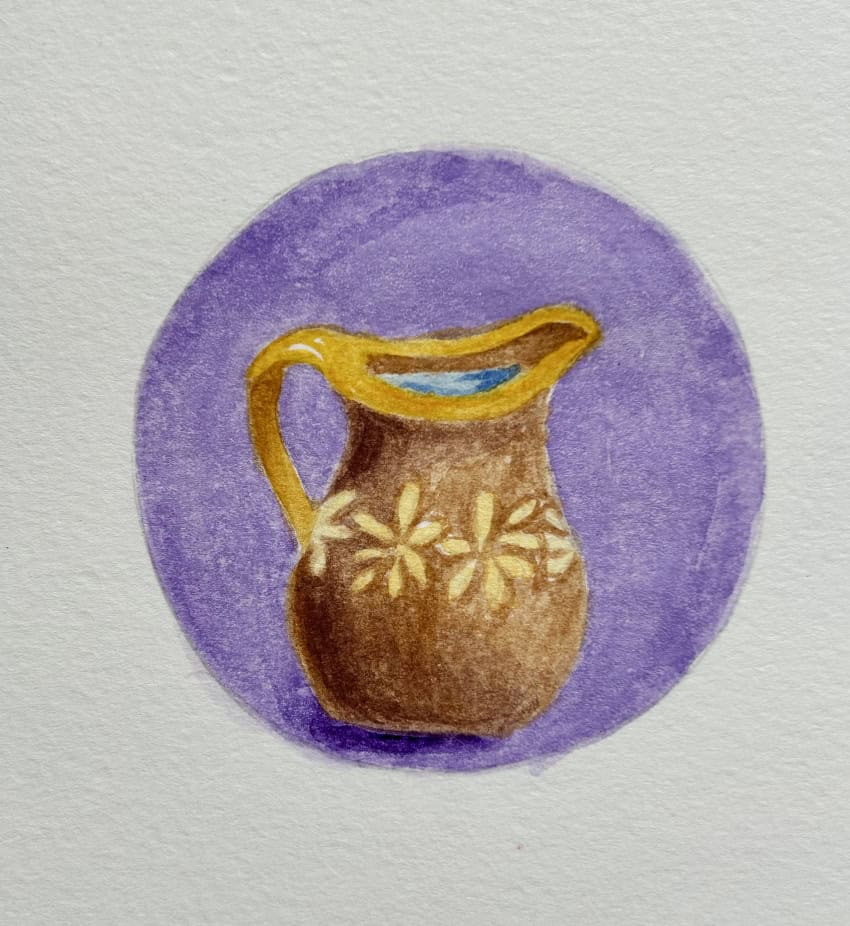
Of course, the dearly departed need a little help finding their way. That is why every element on an ofrenda helps guide them back to their family. The altar is full of offerings and comforts for when they arrive, including a jug of water to quench their thirst and their favorite foods or drinks enjoyed in life.
Key elements of an ofrenda
-
Photograph: A picture of the deceased is essential to clearly identify which spirits are being welcomed.
-
Agua (water): Water is placed on the altar for souls to quench their thirst after a long journey.
-
Velas (candles): Often placed at the four cardinal points, candles help light the way for souls in the dark, guiding them home.
-
Copal (incense): Said to be the most pleasing scent to the gods, copal carries prayers to the spirit realm, purifies the air and guides the spirits.
-
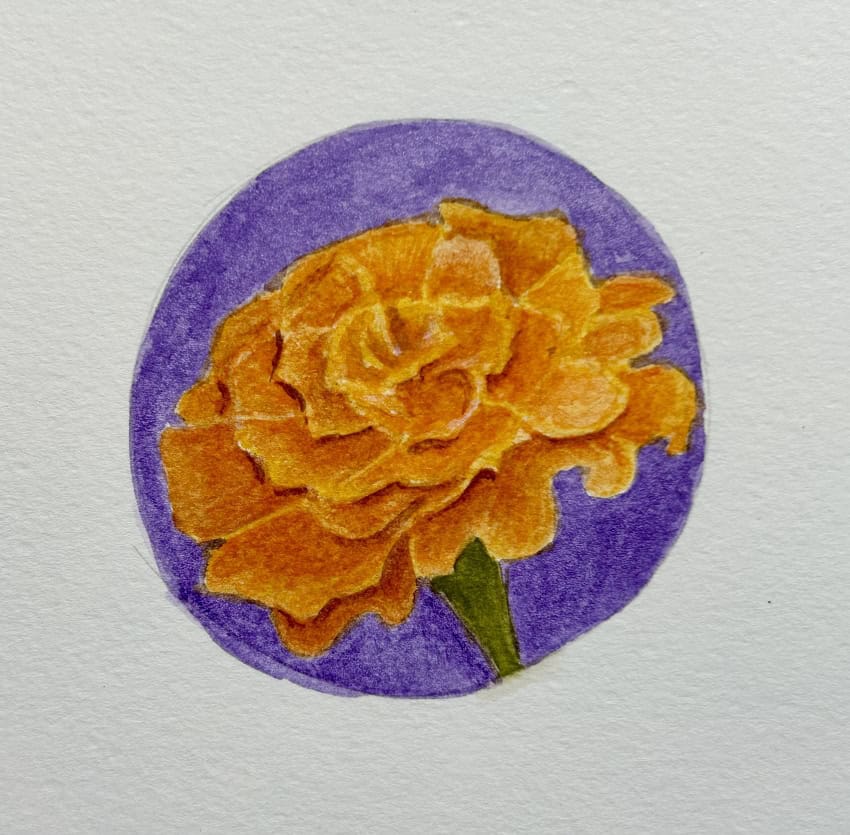
Cempasúchil (marigolds): My favorite part of the ofrenda, the cempasúchil’s rich orange and yellow colors act like a beacon, while their strong scent helps guide souls to the altar.

-
Papel picado (paper flags): Representing the wind element, these delicate tissue paper flags — often crafted with whimsical designs — celebrate the joyful and fragile union between life and death.
-
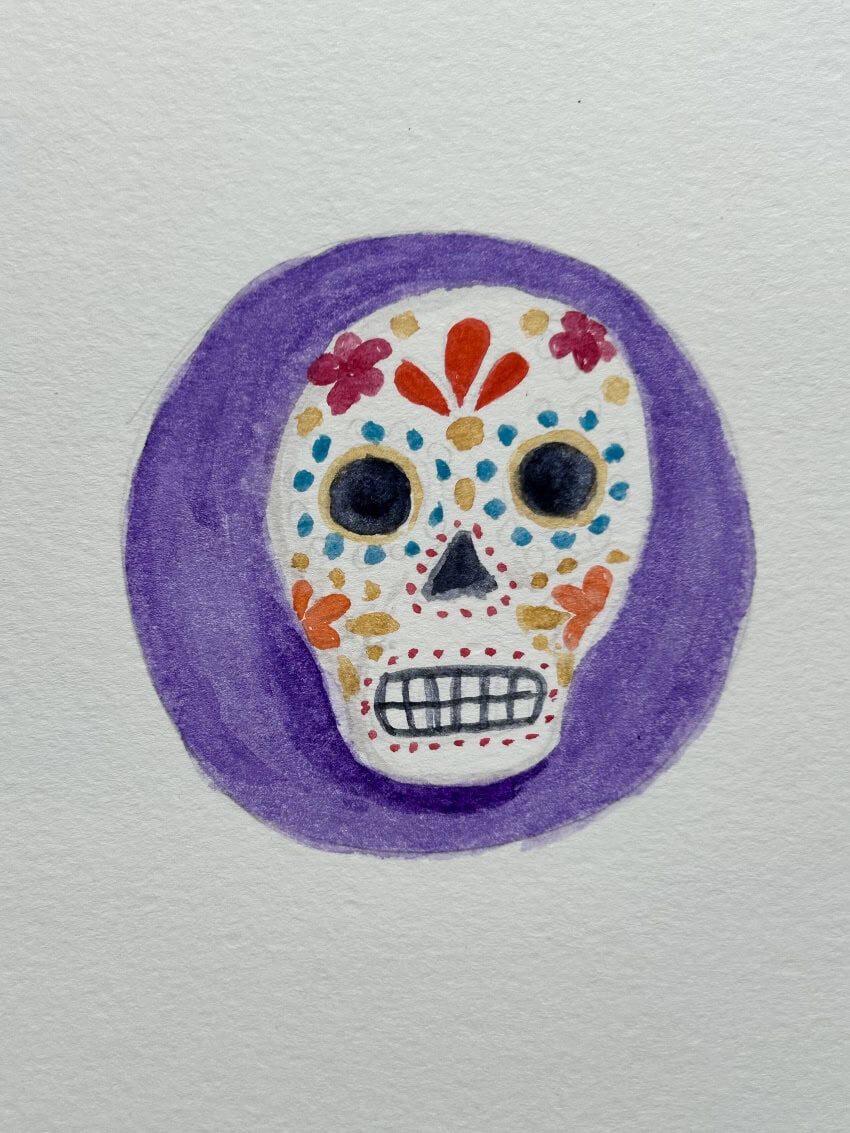
Calavera de azúcar, or calaverita (sugar skull): A sweet representation of the dearly departed. Smaller skulls, called angelitos (little angels), represent children, while larger ones represent adults. These are often given as gifts among friends and family.
-
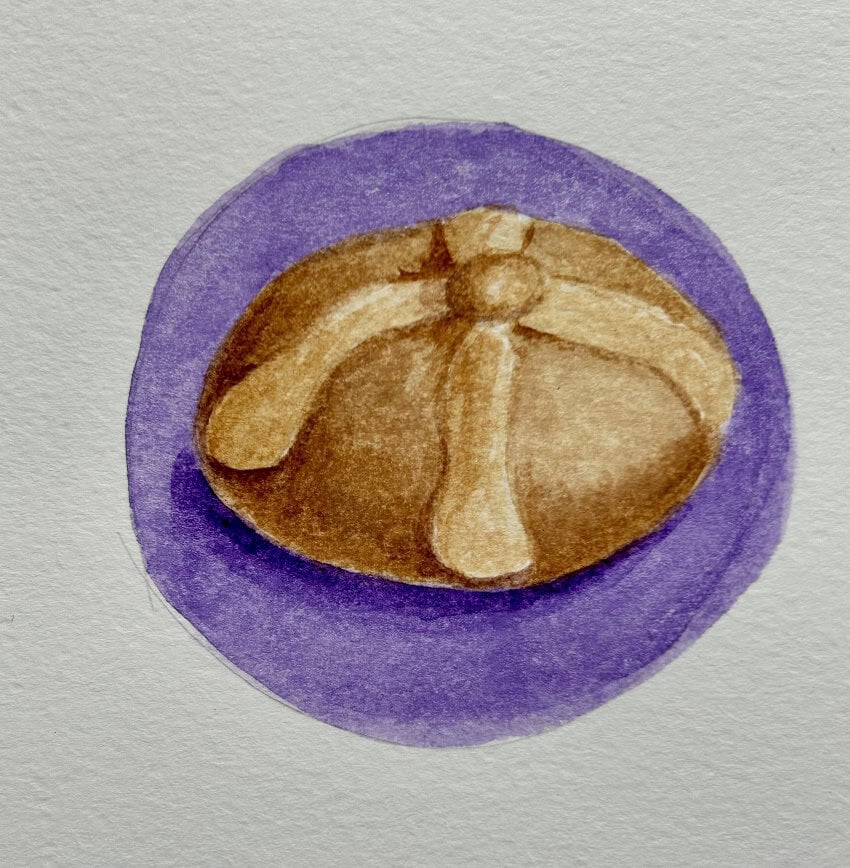
Pan de muerto (bread): This sweet bread comes in various flavors and is not only an offering, but it also represents generosity and the cycle of life.
-
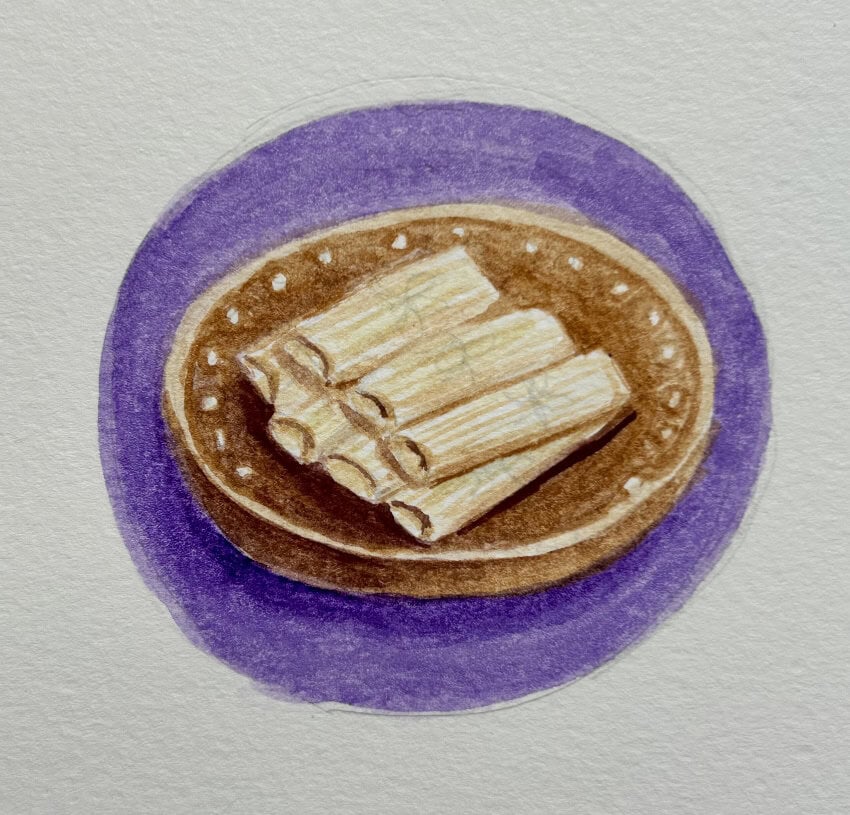
Favorite food and drink: An offering of the dearly departed’s favorite food or drink enjoyed in life. Popular offerings include a plate of tamales or sugar cookies, tequila or a couple of cigarettes.

The dead return
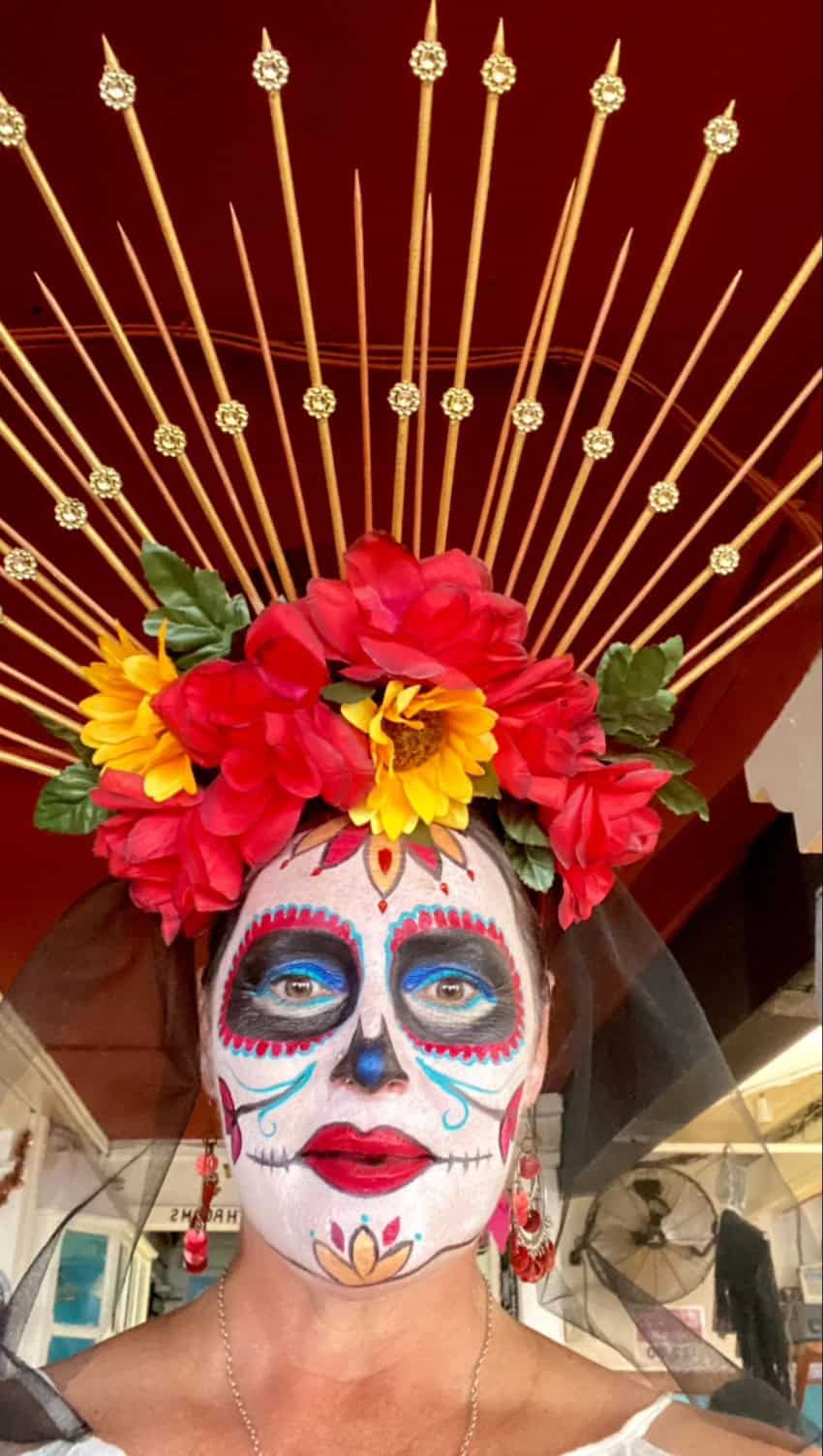
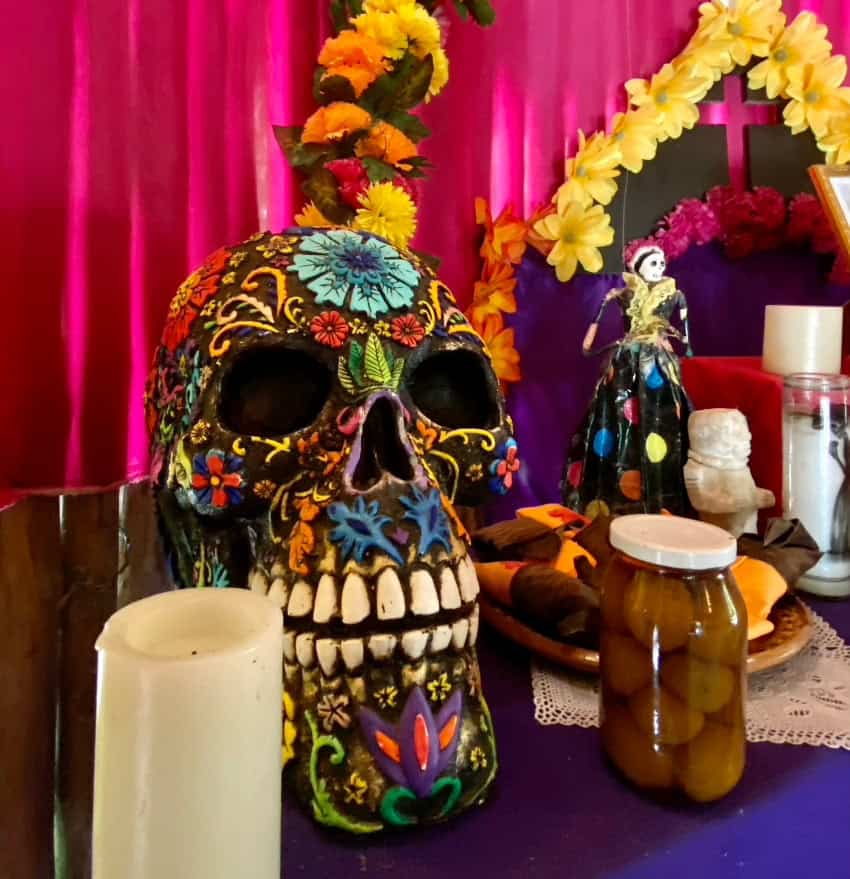
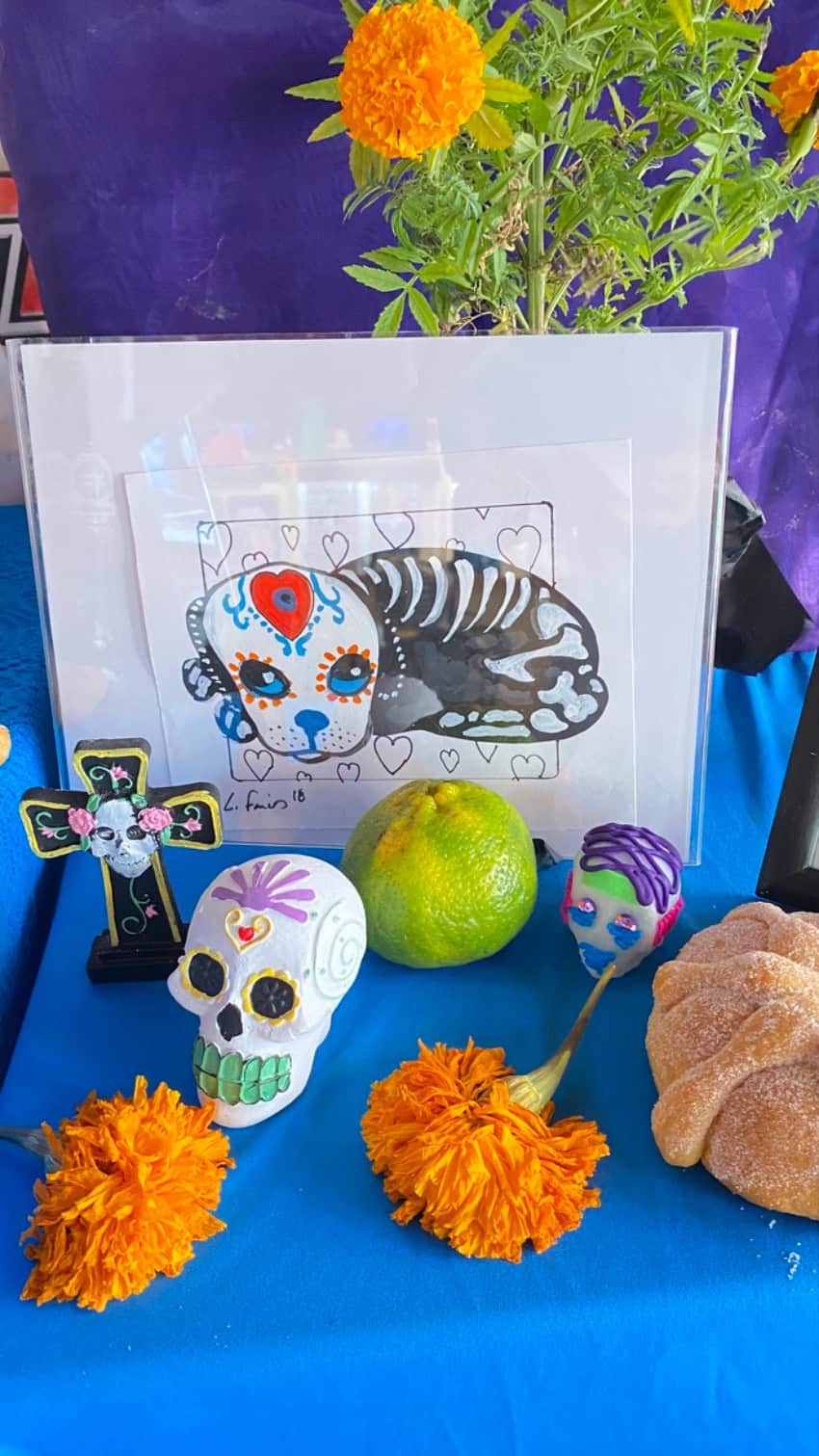
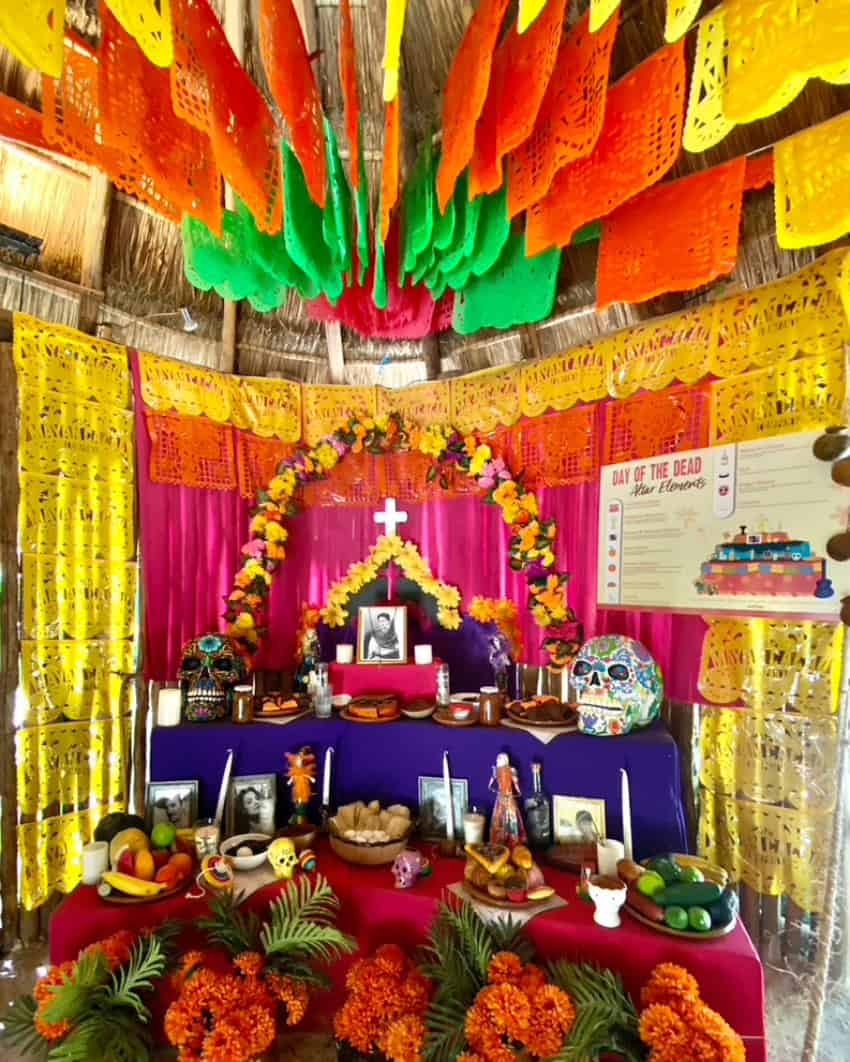
As I said at the beginning, this is my favorite time of year because this tradition is one of the most beautiful I have encountered during my travels.
I hope you have a wonderful Día de Muertos and enjoy making an ofrenda to honor your dearly departed.
Mexico Correspondent for International Living, Bel Woodhouse is an experienced writer, author, photographer and videographer with 500+ articles published both in print and across digital platforms. Living in the Mexican Caribbean for over seven years now, she’s in love with Mexico and has no plans to go anywhere anytime soon.