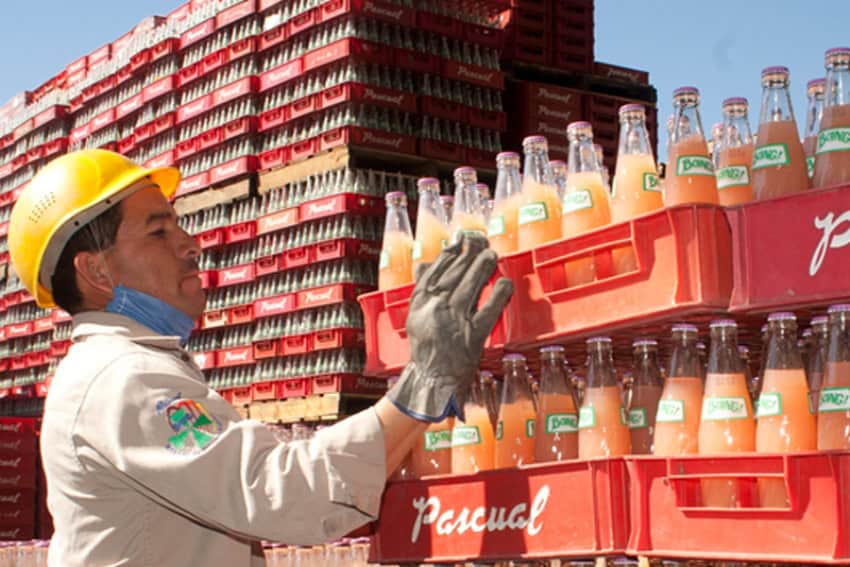
One of the most indelible flavors of my childhood is Boing! — a juice drink that seemed to
shadow every moment of daily life. It nestled in lunchboxes, accompanied our favorite
tacos, and appeared unfailingly wherever families gathered. Long before we understood
the environmental costs of plastic bags and straws, pouring a Boing! into a thin, crystal
clear plastic bag was a small ritual of play and nourishment, a tactile delight that defined
an era.
So, a few weeks ago, when I read that Boing! — after 80 years of being woven into the fabric of Mexican life — may soon disappear under legislation that raised the price of sugary beverages, the news struck with a familiar ache. The sadness came not only from
nostalgia but from the belief that behind this policy lies a fundamental miscalculation.
You can educate the public about balanced diets and curb aggressive advertising, but
punitive measures rarely unravel problems with deep cultural and logistical roots.
Pascual–Boing
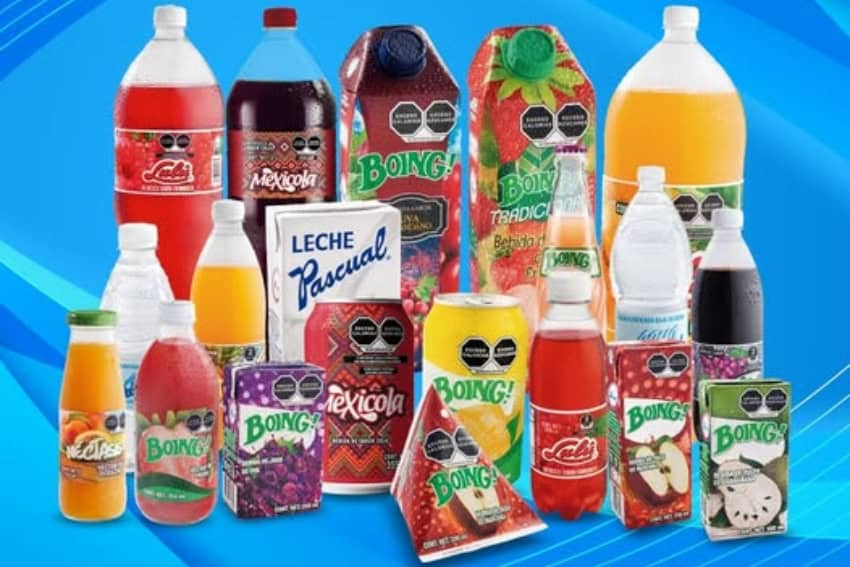
Its story starts in the late 1930s and early 1940s, when Rafael Víctor Jiménez Zamudio
founded a modest company selling popsicles and bottled water. But Don Rafael had
always harbored a larger ambition: to offer refreshing beverages made with real fruit.
The company opened its first facilities in the San Rafael and Tránsito neighborhoods of
Mexico City. Its first major success was Pato Pascual, a soda marketed as the first
100% Mexican soft drink made with fruit. By the late 1950s, the company introduced
Lulú, another product crafted for a growing urban market seeking quality and flavor at
an accessible price.
By 1960, Pascual was thriving, expanding into other Mexican states and even reaching
the United States and Japan. It also launched Boing!, a non-carbonated drink made with
natural pulp and free of preservatives. Distinct from the rest of the brand’s
portfolio — and from its competitors — Boing drew on the cultural memory of aguas
frescas, tapping into Mexico’s deep affection for natural fruit beverages. Don Rafael, still
pursuing durability and innovation, approached the Swedish company Tetra Pak and
secured exclusive rights to its now-iconic triangular packaging, making Pascual the first
and, for a time, the only brand to use what was then considered the most hygienic
packaging available.

By the decade’s end, Pascual purchased a plant from Canada Dry and took over its
production lines. But the relationships with both Tetra Pak and Canada Dry would
fracture after a workers’ strike erupted.
La Guerra de los Patos
One of Mexico’s defining labor movements was led by Pascual Boing’s workers. In March
1982, amid a national economic crisis, the government decreed mandatory wage increases of 10%, 20% and 30%. Many companies complied; the Pascual Boing family
did not.

Frustrated by precarious working conditions, like 12-hour shifts, employees sought
support from the Mexican Workers’ Party. With its guidance, they launched a strike on
May 18, 1982, and shut down both the plants in Mexico City. Don Rafael assumed they
would eventually return. They did not.
On May 31, he made the unthinkable decision: he ordered that gunfire be opened on
the demonstrators. Two people were killed. Seventeen were wounded. Public outrage
surged. Workers, joined by allies, occupied the offices of the Federal Conciliation and
Arbitration Board. Eventually, the movement prevailed.
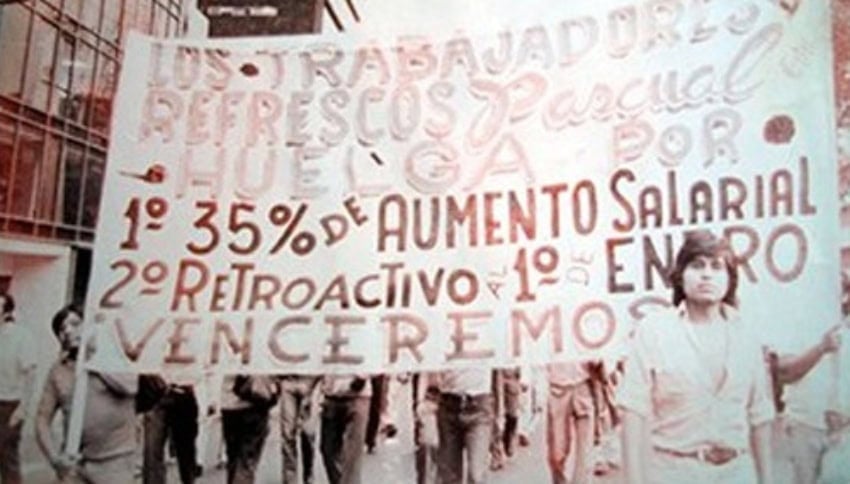
In August 1984, in an unprecedented resolution, it was agreed that the strike and the
so-called “Duck War” would end with the creation of a cooperative. The assets of
Refrescos Pascual S.A. would be transferred to its workers.
Pascual Workers’ Cooperative S.C.L.
On May 27, 1985, the newly formed Cooperative launched the Aguascalientes Project.
Eight trucks traveled to the Aguascalientes plant — where Boing! was still being
produced — to load products and return to what was then the Federal District, with the
intention of reopening operations.
The workers reclaimed control of the production process, not by abolishing hierarchy
but by humanizing it. Critical decisions were now made in assemblies where every
member had a voice.
They resumed activities with a renewed purpose: to craft natural, healthy, nourishing
beverages that could satisfy consumers of all ages, within a dignified and equitable
workplace.
Today, the cooperative employs 4,500 people across multiple Mexican states. It stands
as an exception in an industry dominated by multinational corporations, reinvesting
profits into cooperative members and the agricultural communities it supports. Its
financial philosophy is modest by design: prioritize employment and affordability over
profit maximization.
Adapting to a modern lifestyle
For more than a decade, Cooperativa Pascual has contended with policy initiatives
meant to limit sugary drink consumption. When the first tax on sugary beverages was
implemented in 2014, Boing!’s sales fell by 50%. Recovery took years, as the
cooperative chose job preservation over aggressive cost-cutting.
Since then, additional tax increases and regulatory measures have continued to weigh
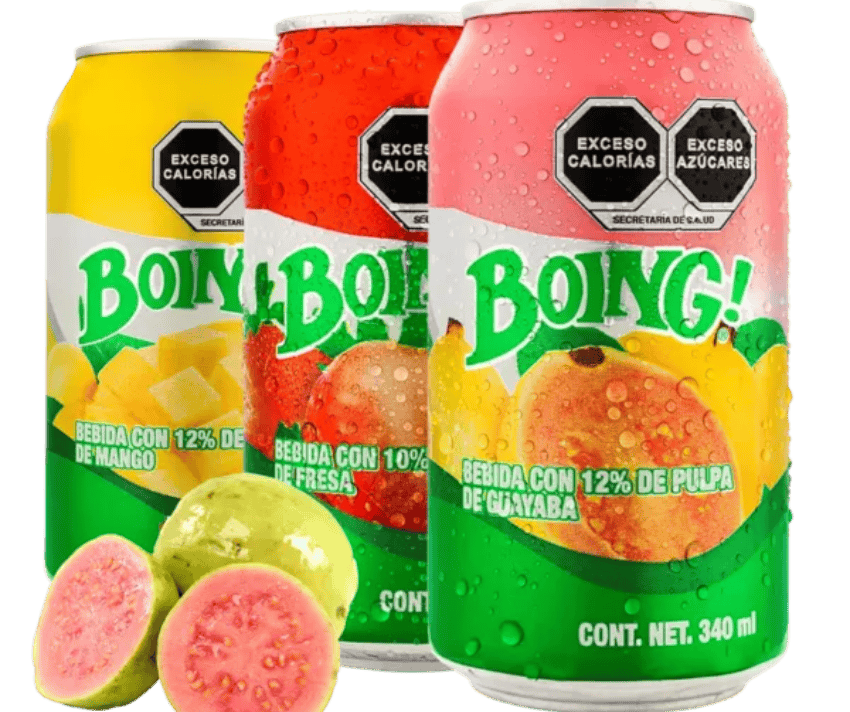
heavily on production and distribution. To tackle this impact, they have added Agua
Pascual and Leche Pascual to their product lineup. Yet Boing!, Lulú sodas, Pato
Pascual and Mexicola remain their most popular products.
Boing and street food
Street food has been a cornerstone of Mexican life since pre-Hispanic times, yet Boing!
stands out as the first mass-produced commercial beverage to integrate organically into
this popular gastronomic ecosystem without flattening its diversity. At food stalls across
the country — though less frequently now than in years past — you can still find Boing! as
the traditional companion to tacos, gorditas, soups, panuchos and an endless array of
antojitos.
But Boing now faces an unprecedented threat. In March 2025, the Mexican government
launched the “Healthy Life” program, banning sugary drinks from all schools nationwide
and eliminating a significant segment of Boing!’s traditional market, which is a great
initiative, to be fair.
In October 2025, Congress approved a dramatic increase to the Special Tax on
Production and Services (IEPS) for sugary drinks. The tax will rise from 1.64 to 3.08
pesos per liter in 2026 — an 88% jump. Drinks with non-caloric sweeteners will face a tax
of 1.5 pesos per liter.
For a cooperative with just 2% of the national soft drink market that is competing against
Coca-Cola’s approximate 60% and PepsiCo, this escalation is disproportionate and
potentially catastrophic. Pascual’s leadership warns sales could shrink by as much as
60%, forcing the suspension of a new plant slated to open in Nuevo Laredo, Tamaulipas,
in 2026. A 900-million-peso investment is now frozen.
The paradox of public health legislation
The tragedy here is that the legislation threatening Boing! was designed in the name of
public health, to combat Mexico’s staggering rates of childhood obesity. According to
the National Health and Nutrition Survey 2020–2023, 5.7 million children ages 5–11 and
10.4 million adolescents ages 12–19 live with obesity.
But the law lacks the nuance to distinguish between different production models. Coca-
Cola and PepsiCo can rapidly reformulate their beverages with synthetic sweeteners
and qualify for the lower tax rate of 1.5 pesos per liter. Pascual, operating under a
cooperative ethos and cultural mission, remains committed to natural cane sugar and
rejects high-fructose corn syrup (HFCS), the cheaper alternative used by the U.S.
multinationals.
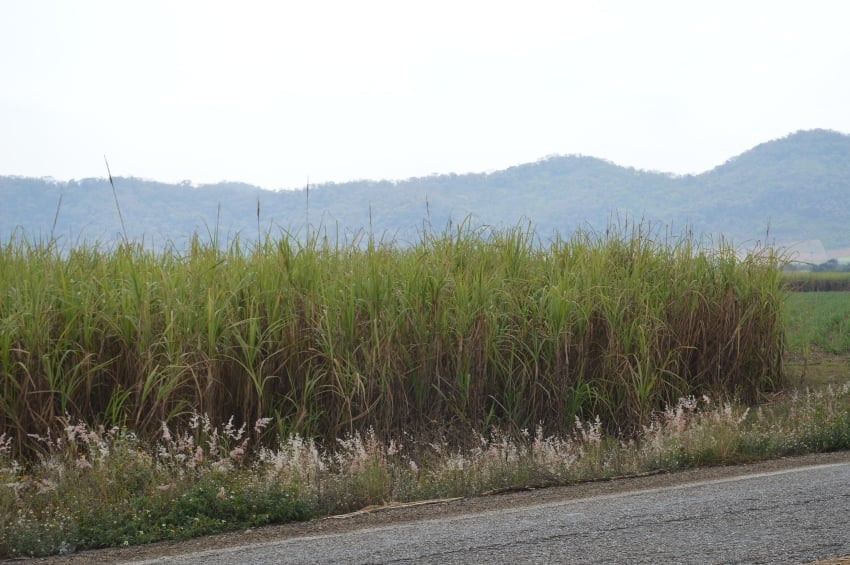
This commitment has real consequences. HFCS is inexpensive and helps large
corporations absorb tax burdens. Mexican cane sugar is costlier but nutritionally
superior — and central to Boing’s identity as an authentically Mexican beverage. Pascual
requested that Congress create differentiated tax mechanisms or incentives for social-
economy companies using natural and domestic ingredients. The plea went
unanswered.
Pascual’s leadership is weighing a complete reconfiguration of its products — or the
possibility of closing operations altogether. For the cooperative’s 4,500 workers and the
livelihoods of 785 cooperative members hang in the balance, alongside thousands of
sugarcane producers who rely on Pascual as a major buyer. Senator Carolina Viggiano
has warned that Mexican cane growers have already begun reducing supply because it
is no longer viable without large, consistent purchases from Pascual. This would mean
job loss in a sector where cooperatives already occupy a precarious position.
A political and cultural crossroads
In 2025 and 2026, Boing! stands at an economic, political and cultural crossroads. So, the fundamental question emerges: Is Mexico prepared to sacrifice the icons of its
social economy and popular gastronomy on the altar of well-intentioned but blunt
regulation — one that cannot distinguish what deserves protection (cooperative labor,
national production, cultural tradition) from what should truly be discouraged?
As a ’90s kid who grew up on radioactive chips, fluorescent ICEEs, candies that
probably violated several laws of physics, Morgan & Drake sodas with what looked like
floating confetti, and liters upon liters of Boing! as the perfect companion to my taquitos,
I learned a crucial truth at home — one that shaped both my health and my relationship
with food: having a treat now and then is perfectly fine, so long as you maintain a
balanced diet.
Yet maintaining a clean, healthy diet is far more difficult for most Mexicans, for reasons
that run deep in culture, infrastructure and economics — reasons that I’ll explore in future
articles.
Maria Meléndez is an influencer with half a degree in journalism