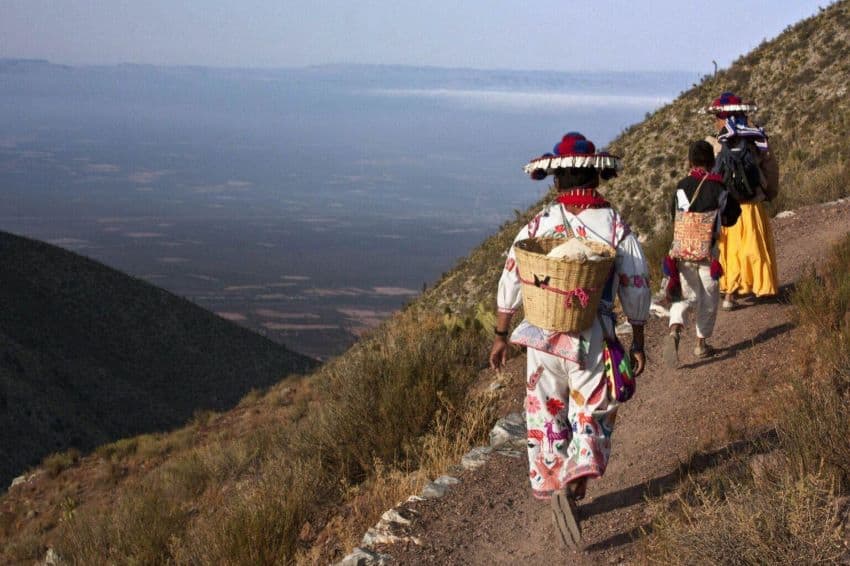
A route through 20 sites sacred to Mexico’s Wixárika people was recently added to UNESCO’s World Heritage List, becoming the first such recognition for a living Indigenous tradition in Latin America.
Known as the Wixárika Route through Sacred Sites to Wirikuta or Tatehuarí Huajuyé (The Path of Our Grandfather Fire), the route is a network of paths that stretches over 500 kilometers across five states in north-central Mexico: Nayarit, Jalisco, Zacatecas, Durango and San Luis Potosí. Beginning in the Sierra los Huicholes, the route leads to Wirikuta in the Chihuahuan Desert, with additional sacred sites in Nayarit and Durango.
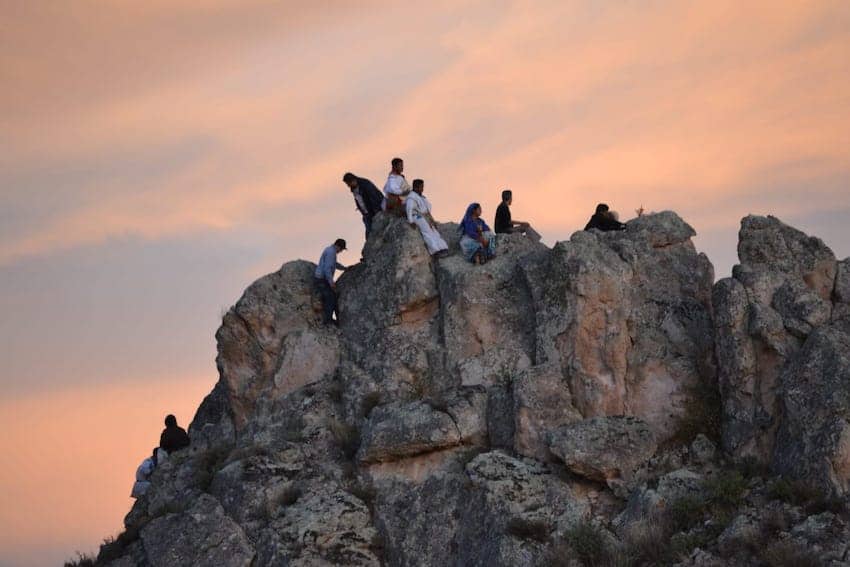
“This recognition is of the utmost importance for Mexico because it is the first time in all of Latin America that a cultural expression linked to a living and active Indigenous tradition has received this international recognition,” Mexico’s Minister of Culture, Claudia Curiel de Icaza, said.
UNESCO highlighted the route as one of the most representative pre-Columbian routes still in use in the Americas.
In a statement, the culture agency recognized it as “an exceptional testimony to the persistence of the cultural traditions of the Wixárika people and an outstanding example of the interrelationship between culture and the natural environment.”
Mexico’s National Institute of Anthropology and History (INAH) said the universal value of the route lies in its connection to sacred sites and key elements of the Wixárika tradition, including fire, rain, the cultivation of corn and peyote, the golden eagle, the wolf and the deer.
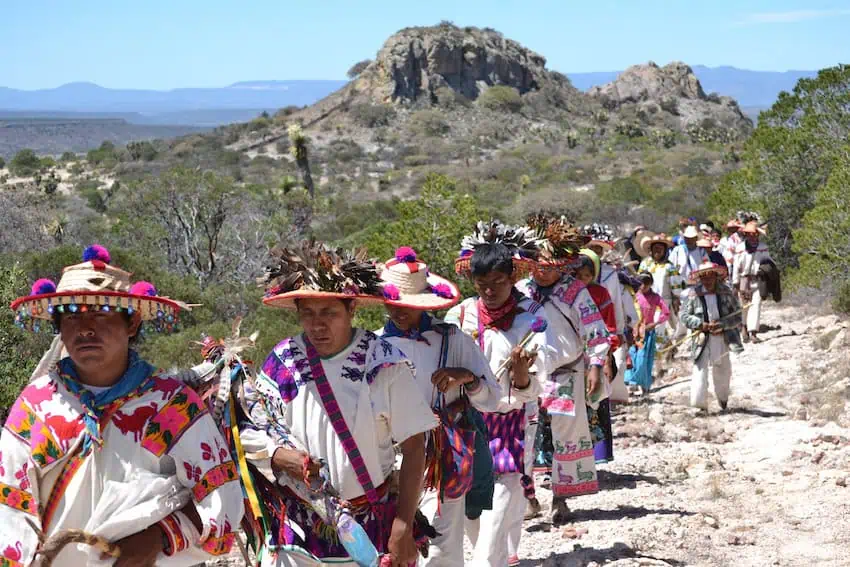
The route’s inscription on UNESCO’s list requires the creation of a management unit and the implementation of a Comprehensive Plan for Management, Conservation and Safeguarding, with direct participation from the Wixárika Regional Council and Indigenous communities.

Preserving the natural conditions of the route allows the Wixárika people to continue their rituals, which include leaving offerings for health, the fruits of nature and the well-being of their people, at various sites along the path.
Francisco Vidargas, head of the World Heritage Directorate of INAH, noted that some stretches are situated on private properties where the owners permit the Wixárika to pass through and perform their ceremonies, such as at Cerro Gordo in Durango.
However, in an interview with the newspaper El Economista, Totupica Candelario Robles mentioned that the presence of mining companies and peyote tourism along the route has created problems for the Wixárika.
“Our people hope that this registry will be one more tool for the protection of our sacred territories that will allow us to eradicate the extractive and agro-industrial threats that harm our territories and culture,” the Wixárika Regional Council said in a statement.
With reports from La Jornada and El Economista