
During my first year in Mexico as a student, I went to a party. I was in university then, and it was at somebody’s very student-y house.
I noticed a blonde girl there that I didn’t know, obviously a foreigner.
“¿De dónde eres?” I asked. “Soy de todo el mundo,” (I’m from everywhere) she replied, swaying a little bit.
I didn’t care that she was probably drunk or high.
“Who does she think she is?” I remember telling a friend later. “Besides, she gave herself away: Only a French girl would say something like that.”
When it comes to other foreigners in Mexico, things can get tricky.
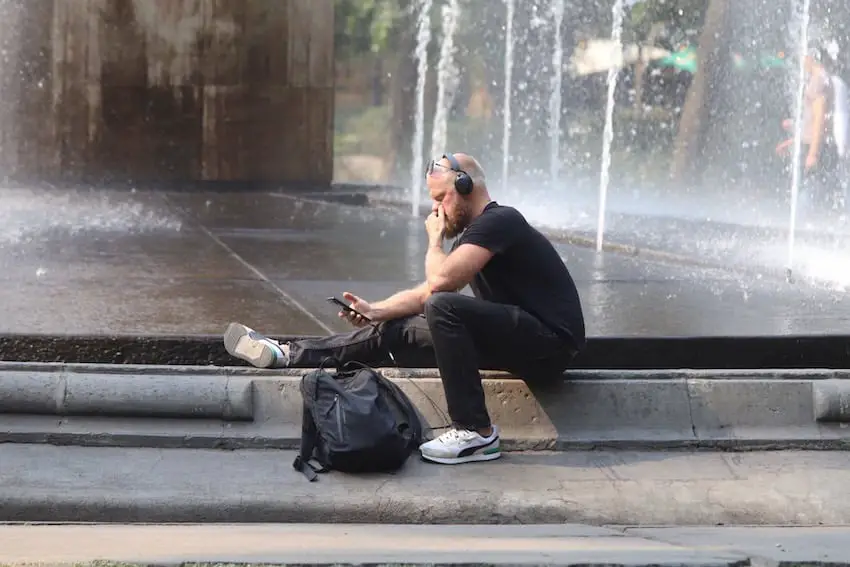
I mean, really, who do they think they are?

‘Wait, I came here to get away from you’
Getting to know other foreigners in Mexico is always kind of a strange process. While most of us are here because we’re generally enamored by Mexican culture, it’s also true that many of us are decidedly not enamored with our own cultures.
This can make things a little tricky when dealing with others from that same culture — ours.
Because when it comes to people from our own countries, we “know” each other. And we know that there are plenty of types from our own cultures that we downright don’t like. Though none of us would like to admit it, as guests in Mexico, our view of Mexicans is by default more generous, and perhaps even a bit two-dimensional. We think we know them and can see them with rose-colored glasses.
But we know we know our fellow countrymen. And our assumptions aren’t always pretty.
An evolution in attitude
During my years here, my attitude toward other foreigners has evolved quite a bit.

First, there was my study-abroad group with the Universidad Veracruzana in Xalapa back in 2002. We were a smallish group of about 10, and we bonded quickly: We were all new, after all.
Especially during those first dizzying weeks, we stuck together as we followed our leader around like baby ducklings. We admired him immensely. Here was someone who, like us, had grown up in our own country and was “making it” in this new one. We all dreamed of someday becoming like Rob!
Other than my group, there weren’t too many other foreigners around to speak of. There were the students at the School for Foreign Students, where some of us studied sometimes. I remember a particular European student getting on my nerves by exclaiming, “I just keep getting Spanish mixed up with Italian and Portuguese!” Oh, shut up, I’d think, barely able to contain my jealousy.
Later, living in Querétaro, I encountered quite a few more foreigners. Most of them were other teachers at the American school where I taught. For the most part, they didn’t speak Spanish; they’d been hired for their native speaker bona fides and saw their year (or two) teaching there as an adventure. I, on the other hand, was interested in fitting in with the local Mexicans. I did not — Querétaro was a whole other fancy world.
I tried making friends with my fellow U.S. colleagues, but I think they quickly saw me for the superior-feeling snob that I was. At one point, we took a trip to Guanajuato, where I felt mortified by their “American party girl on vacation” behavior.
“Stop propagating stereotypes of American women!” I wanted to shout.

It was a lonely few years.
When I moved back to Xalapa, I was once again surrounded by Mexicans: I only knew a couple of foreigners. Once I started writing for Mexico News Daily, though, I met some more. I eventually got invited to a “ladies’ lunch group” of English-speaking women, mostly retirees. As a result of my writing, others contacted me as well, mostly wanting information about Xalapa.
The result is that I’ve become much less of a snob. I still cringe a bit at the “Well, what does Mexico have to offer me?” crowd, but for the most part, I’m pretty open.
I’ve also realized that being from the same culture as someone else does not mean that you’re going to like them. In fact, there are a few people I’ve grown to dislike pretty intensely. It’s not really about them being in Mexico, though. We wouldn’t have gotten along up north, either.
Different foreigners, different goals
My experience has made me reflect quite a bit on my place — on all our places — in the immigrant community here.
Everyone, of course, responds differently. Some arrive wanting to “fit right in” and simply have no time for other foreigners.
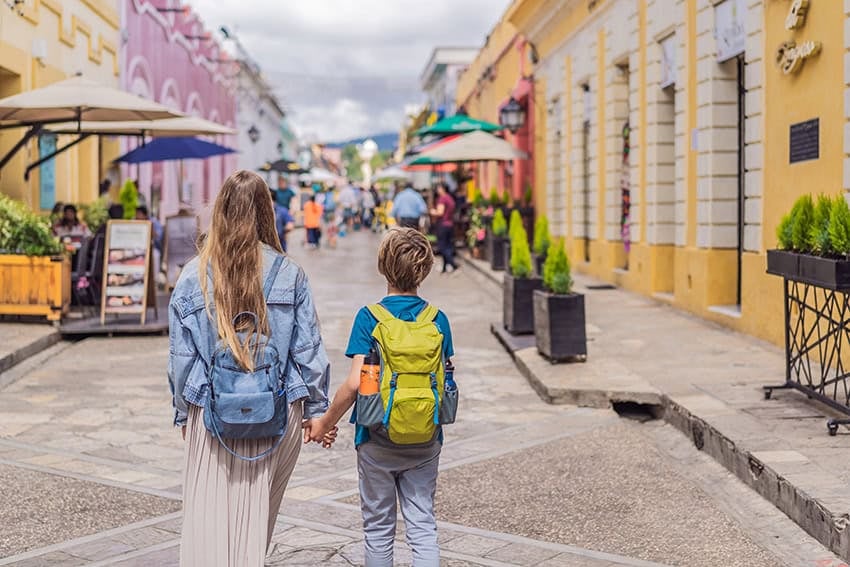
“I didn’t come to Mexico to hang out with people from my own country!” you might hear them say.
Fair enough, I guess. Though if you’re purposefully discriminating against anyone from your own culture, you’re likely missing out on getting to know some really great people.
Then there are those on the opposite end, those explicitly interested in making sure they’ve got a familiar cultural “landing pad” in Mexico. Those types don’t tend to show up in Xalapa, so I don’t know too many.
But we all, of course, want Mexicans to like us. In fact, I’d say we downright want them to adore us.
Competing for most-favored foreigner status
Being a guest here — even one that’s been around for 20-plus years — puts us in a strange position. We’re part of local society but not completely. We have cultural and linguistic connections that have nothing to do with Mexico.
Mexicans notice this, and as a result, many of us want to go out of our way to assure them that, even though we’re different, we’re worthy of a spot on Mexico’s societal quilt — because everyone wants to fit in.
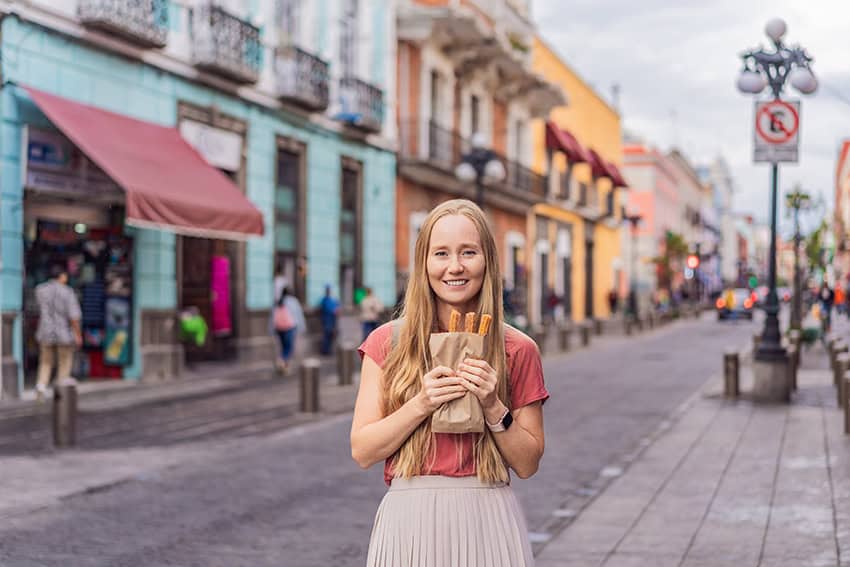
In some of us, it creates a dynamic that’s a bit like competing to be the teacher’s pet.
I personally want to be the teacher’s pet, anyway — and, really, the pet of anyone I perceive in a position of authority. When I go through security at the airport, I want them to talk to each other about how efficient, organized and considerate I am. It’s a personality feature or a defect, depending on the situation.
When Mexicans aren’t always as welcoming or friendly to us as we’d like them to be, we’re forgiving of our hosts because they are our hosts. We want to show our appreciation. And, again, we want them to like us. Our fellow paisanos, by comparison, are sometimes our annoying, dumb siblings — sure to embarrass us in front of the cool kids.
“Oh God, don’t make me look bad with your shenanigans!” we might mutter to ourselves once we hear the familiar loud accent.
But if we’re like little kids toward Mexicans, hoping to ingratiate ourselves, we’re certainly discerning adults again when it comes to other foreigners from our culture. We’re forgiving of Mexicans but not necessarily of our fellow immigrant travelers.
Moving past judgment
The solution, I’ve found, is simply time. As I get older, it becomes harder for me to get all worked up about little social faux pas.
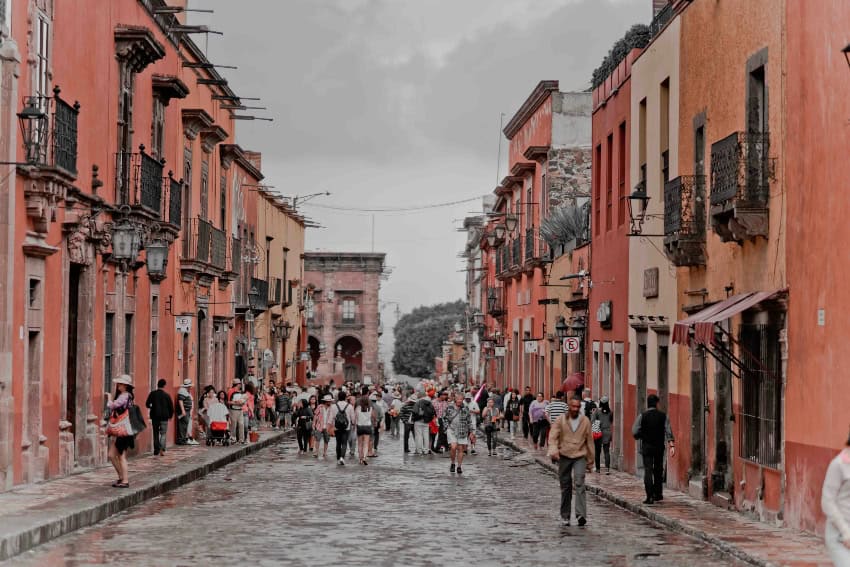
The strategy, I’ve found, is also pretty easy: Just assume that you’re going to like everyone.
This is easy for me, because I pretty much do like everyone. I’m just naturally trusting — again, either a feature or a bug.
It doesn’t always work; some people, I just don’t have chemistry with. There have been others I’ve put my trust in who’ve wound up lashing out when a sensitive button I didn’t know about was pushed.
But for the most part, it’s an attitude that will allow you to meet some really great and interesting people.
Human fellowship, in the end, is what it’s all about.
Sarah DeVries is a writer and translator based in Xalapa, Veracruz. She can be reached through her website, sarahedevries.substack.com.