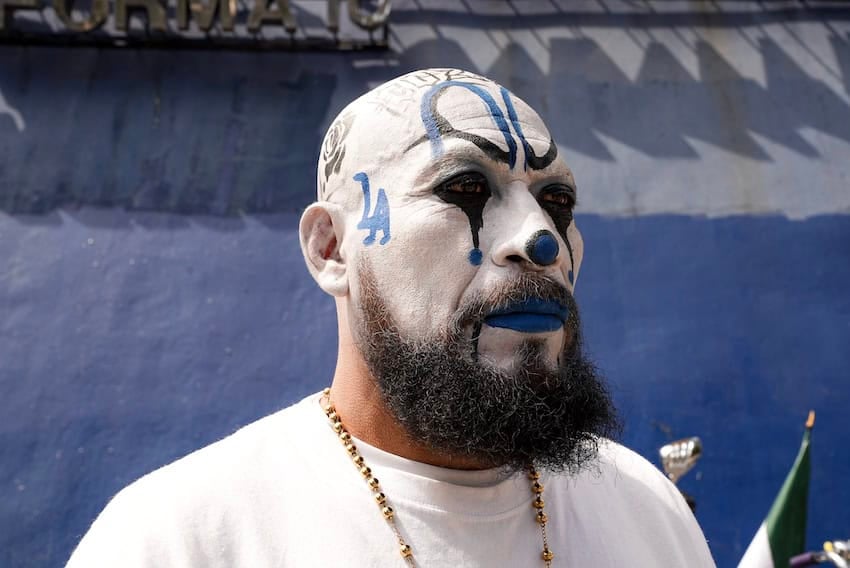
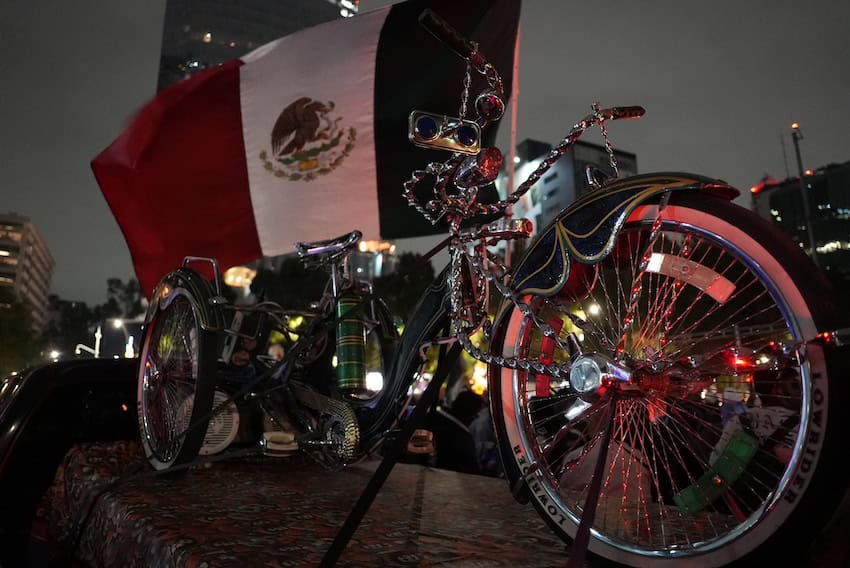
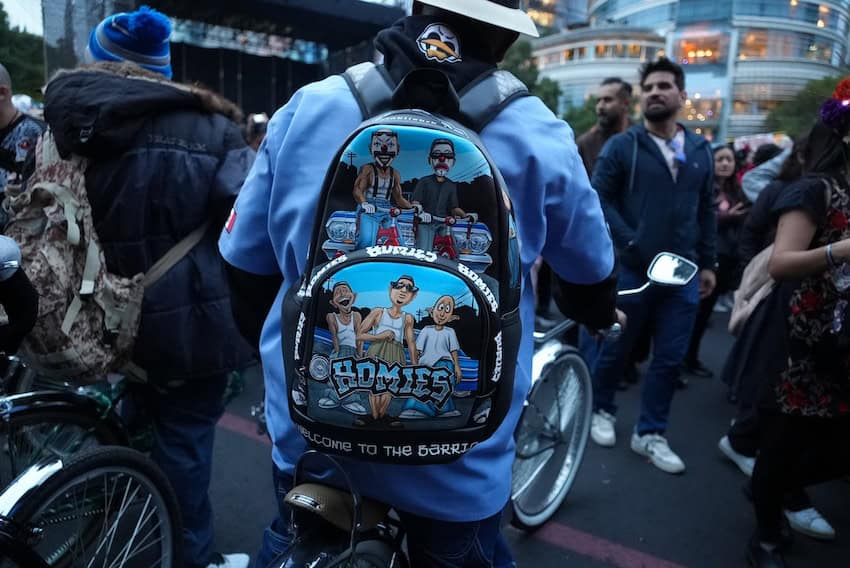
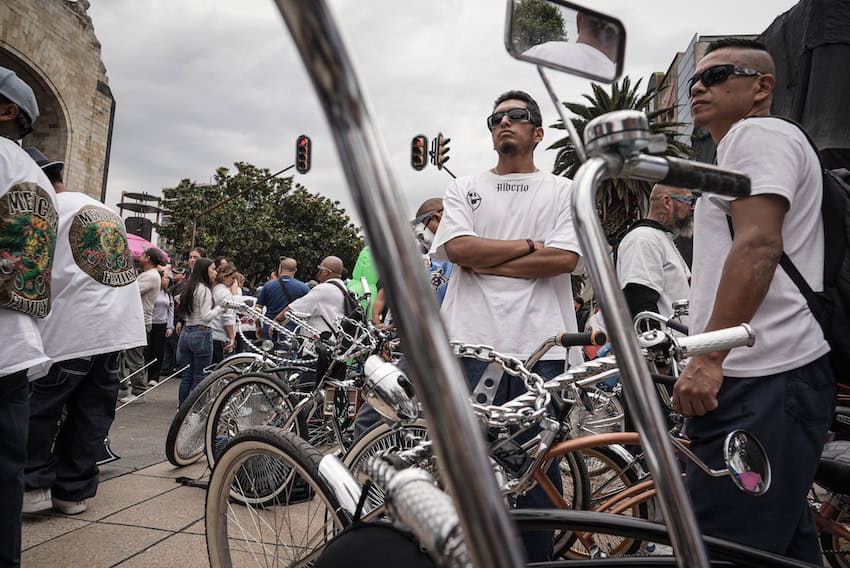
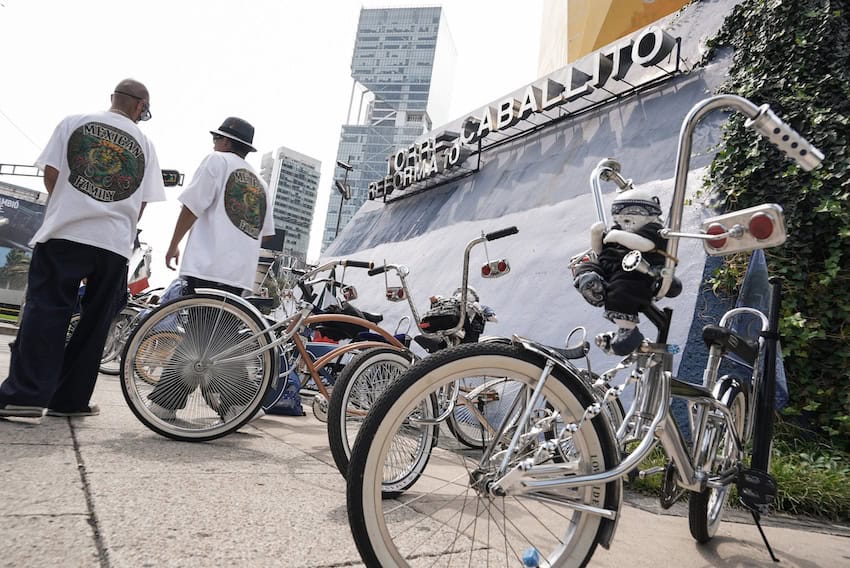
Every Sunday, a special kind of meetup takes place in downtown Mexico City: a few dozen men and women gather in oversized white shirts and baggy jeans with blue bandanas hanging from their pockets, all sporting gleaming silver lowrider bicycles.
Inspired by the Mexican-American Chicano communities of 1960s and ‘70s California, their style is often associated with cholos: a Los Angeles street culture that has long been stereotyped as synonymous with gang violence.
But that’s exactly what this group wants to challenge. They are here to represent a subculture shaped by migration and marginalization, honor its heritage and scrap the stigma of violence attached to it.
“We represent culture, that’s it,” Hiram, a member for two years, explains.
Most members in this report chose to be identified by first name only, citing privacy reasons.
“We are not violent, we are not a gang. We’re here so people can see us, see we’re not bad guys.”
Finding support and love
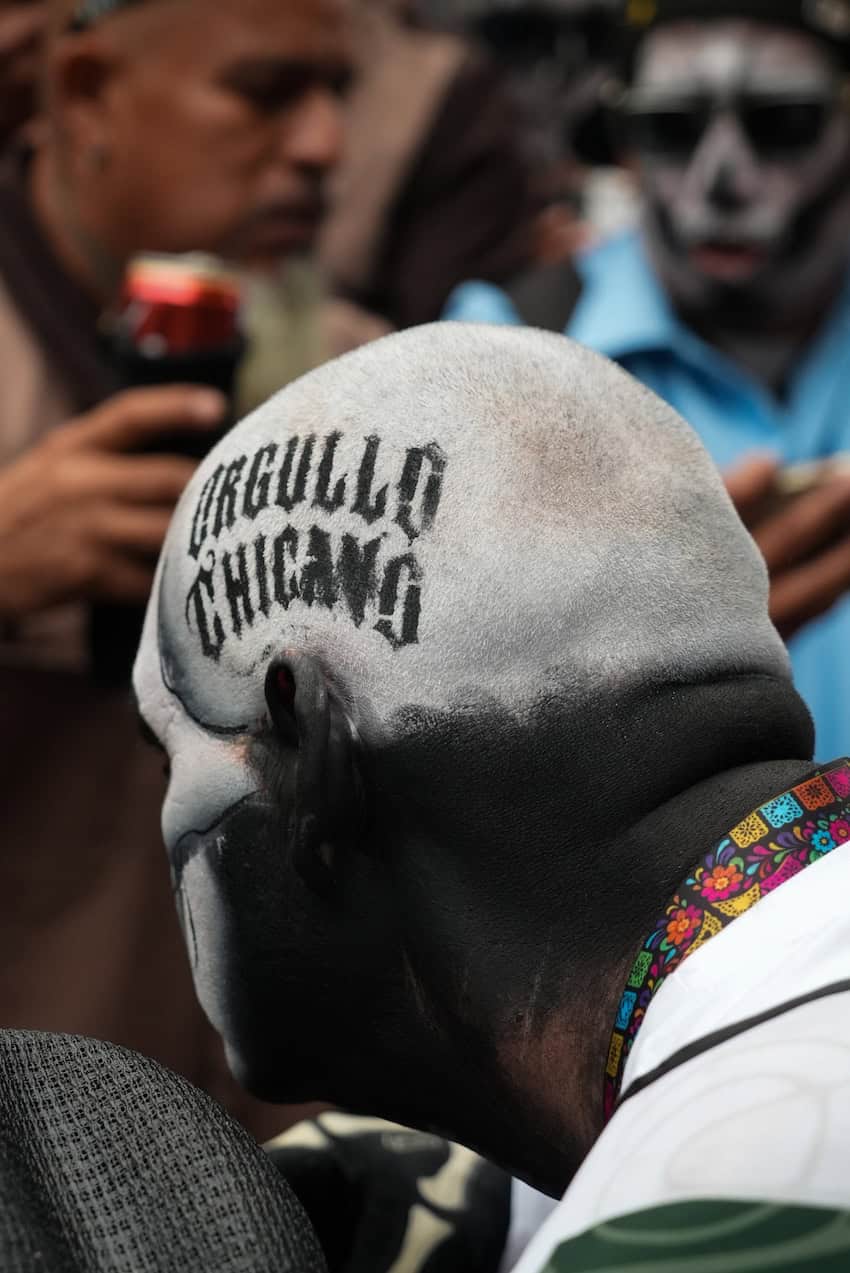
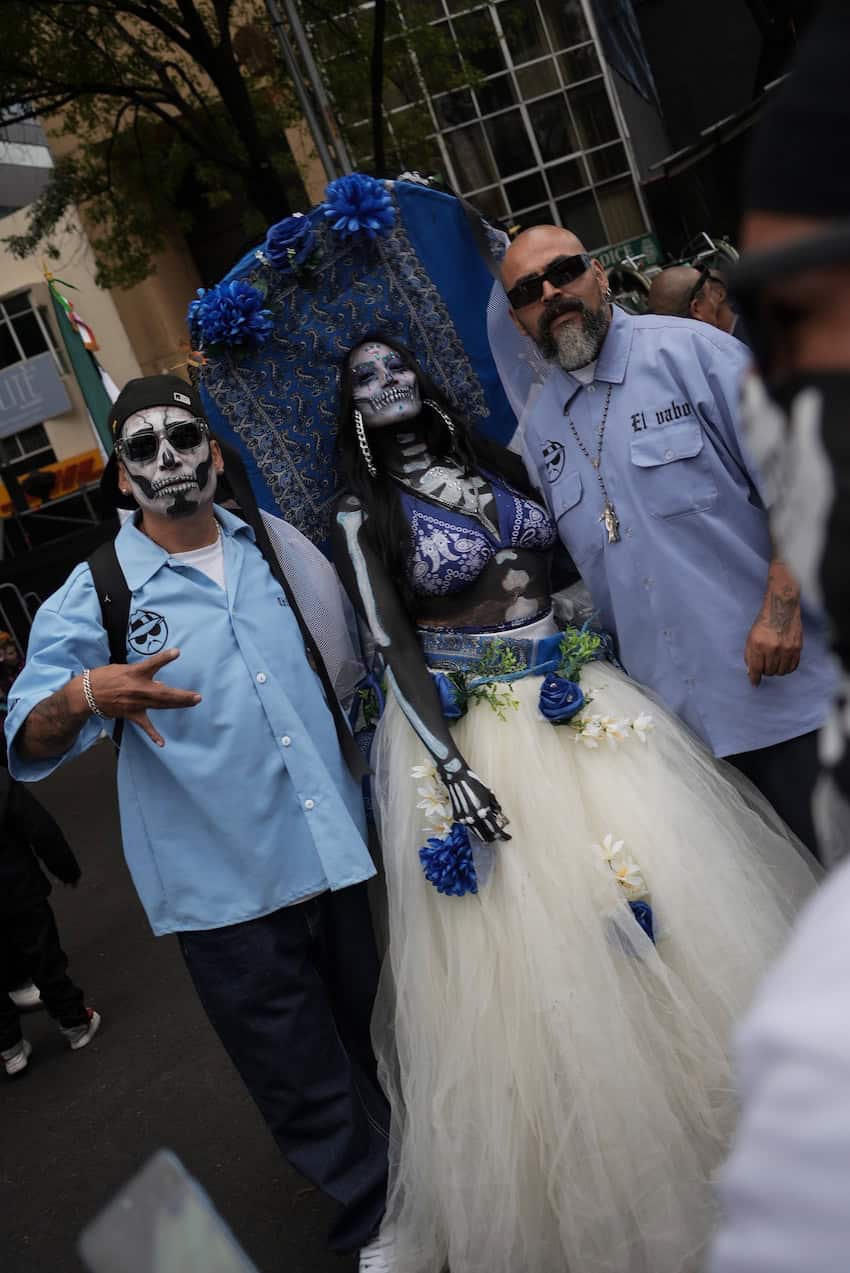
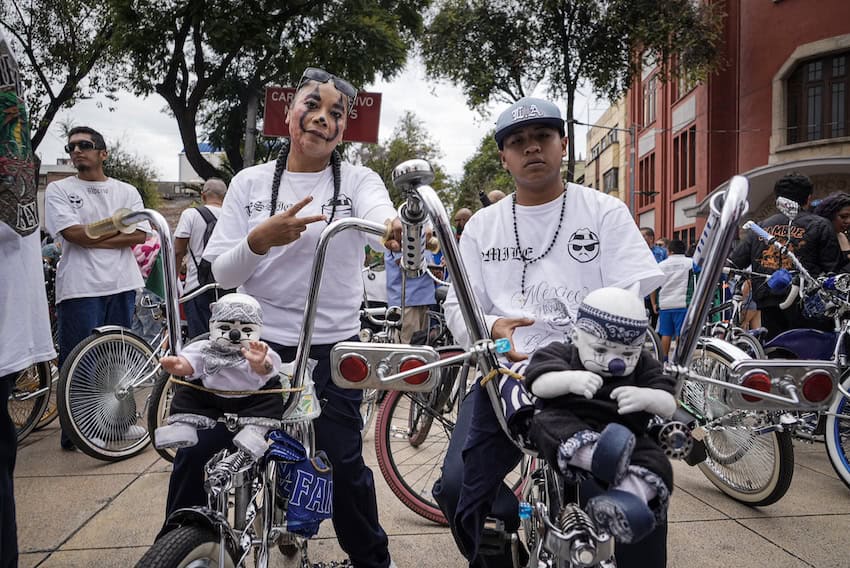
This wanna-not-be gang is strikingly intergenerational. There are little kids in gangster white face paint running between the bikes, veteran-looking men covered in tattoos, a mother and her teenage son — a real family, as the group’s name “Mexican Family” would have it.

“Many of us come from a dysfunctional family; we find support and love from people who aren’t blood. That was the primary purpose of creating this group,” explains el jefe, Babo, who founded the group three years ago.
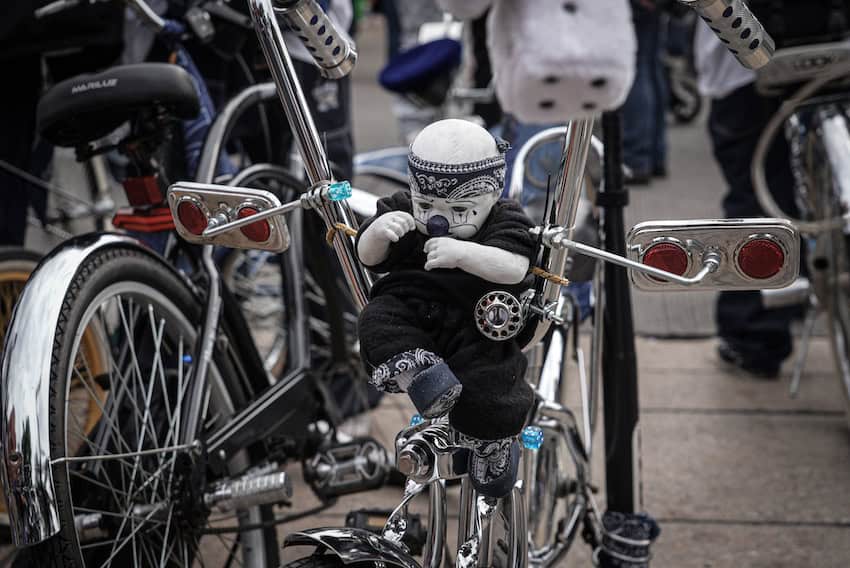
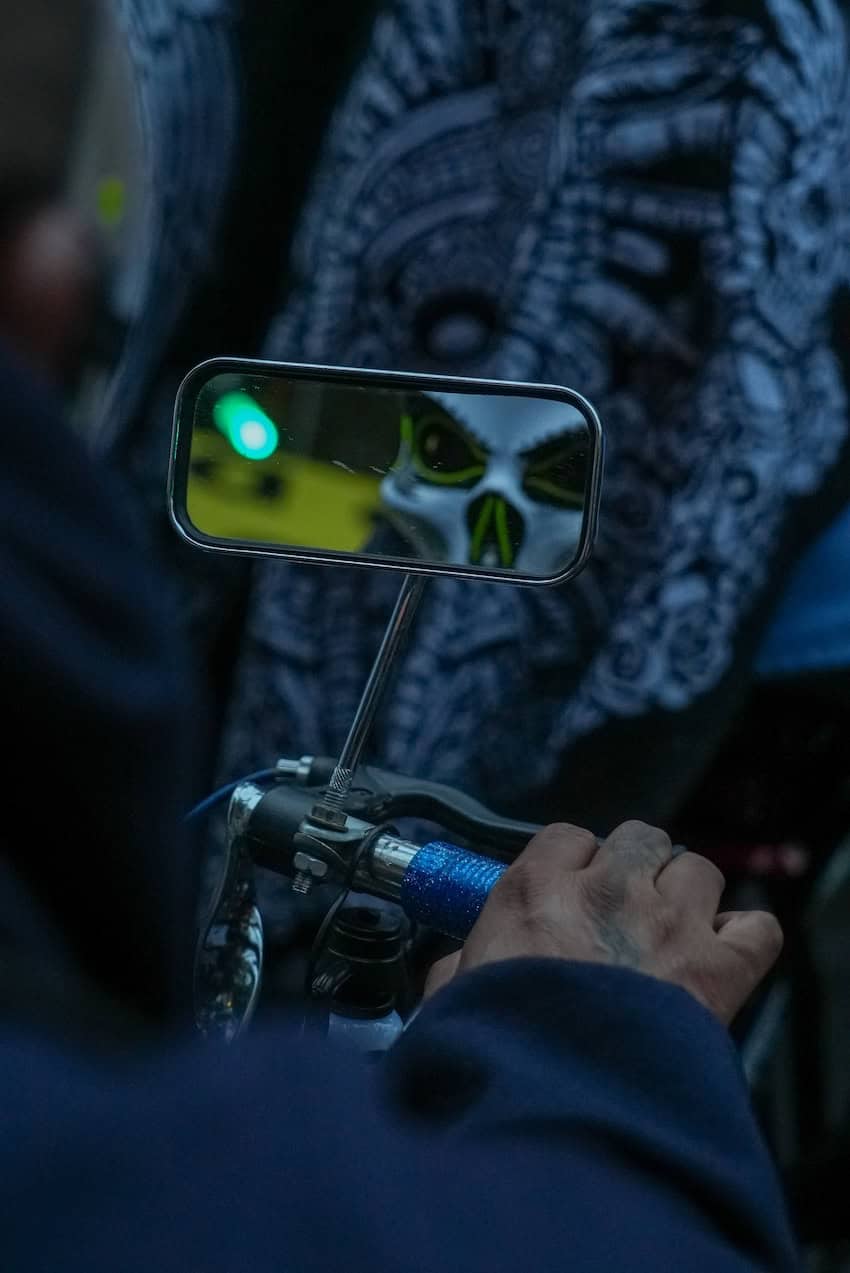
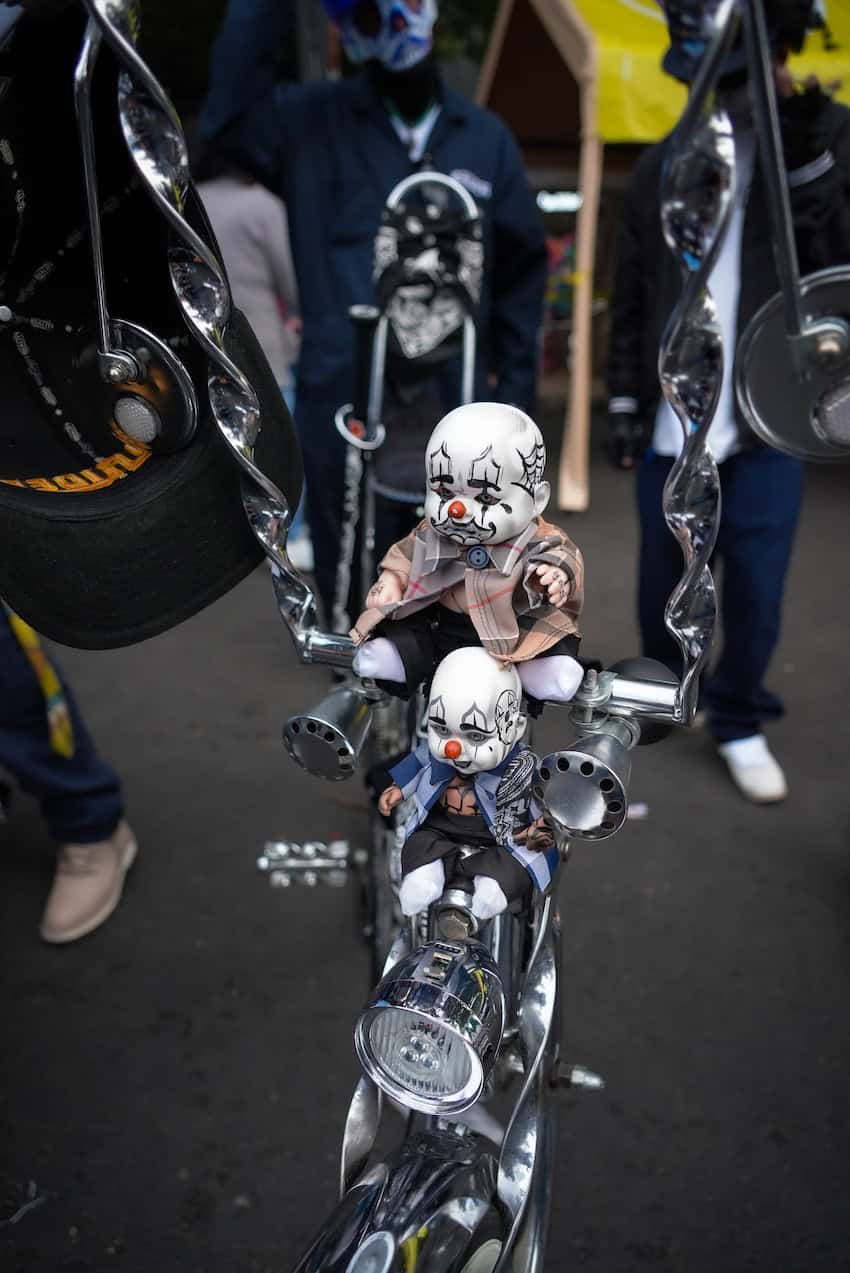
The members meet every week, tinker and ride their bikes — all hand-wrought from different bicycle parts and adorned with jewels — pose with passersby and invite people to try their bikes.
Contrary to what its aesthetics would suggest, not all of them share the Chicano identity.
At its origin, Chicano was used as a derogatory term for the Mexican-American working class in the U.S. before activists in the 1960s and ‘70s reclaimed the identity as a symbol of resistance and pride.
Some members of the group are Mexican-American, others have been deported from the United States over the years, and many of the youngsters are just Mexican.
What brings them together is a shared love of lowrider bicycles and cars, as well as an appreciation for what Chicano identity symbolizes.
“It’s tradition, history, resistance,” explains a young Mexican member with no ties to the U.S., who goes by the name Estonet. “Chicano means keeping Mexican culture alive anywhere in the world.”
Tessie joined a year ago to spend time with her teenage son, a lowrider fan. She wants people to stop associating the club with gangs. The point, she says, is to “go slow and happy on a bike, no matter which one it is.”
But the stigmatization of this culture mostly comes from its association with the cholos.
Unpacking the term ‘cholo’
Cholo also began as an insult, a colonial-era slur for people of mixed Indigenous and European descent, before Mexican-American youth in Los Angeles reclaimed it as a style, taking visual influences from Chicano culture such as the lowrider bicycles and cars.
Over time, however, police discrimination and popularization through gangster films such as “Blood In Blood Out” (1993) made the term synonymous with dangerous gangs.
“For better or for worse, culture changes,” el jefe continues. “The cholo has more to do with gangs, with prison.”
Some members’ own pasts are not far removed from those associations.
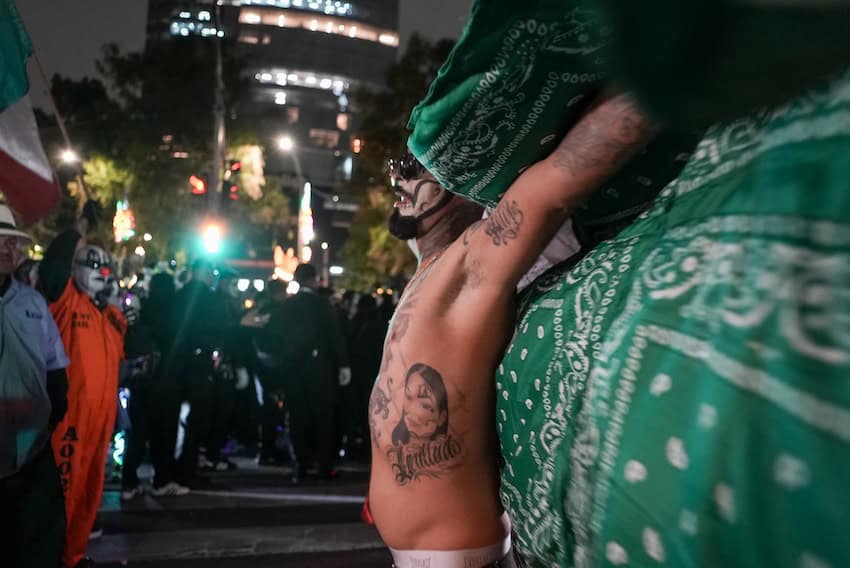
Hiram, who self-deported from the United States nearly two years ago after getting into a car accident and fearing imprisonment, says most of the older members of the group used to be in gangs.
“Arriving somewhere that receives you with open arms is very hard… you don’t know the problems you had, the gangs you were in.”
Joining the group, he says, has been “like going back to the place where something was missing.”
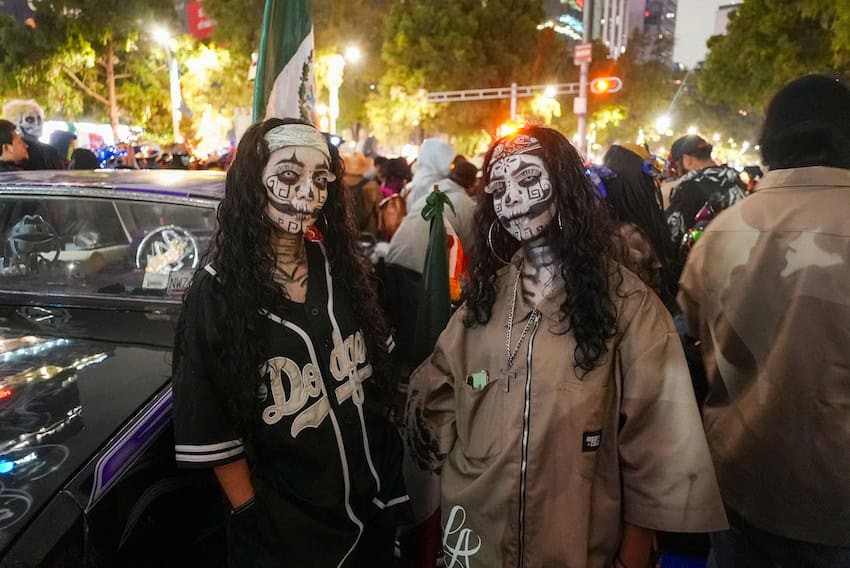
A family affair
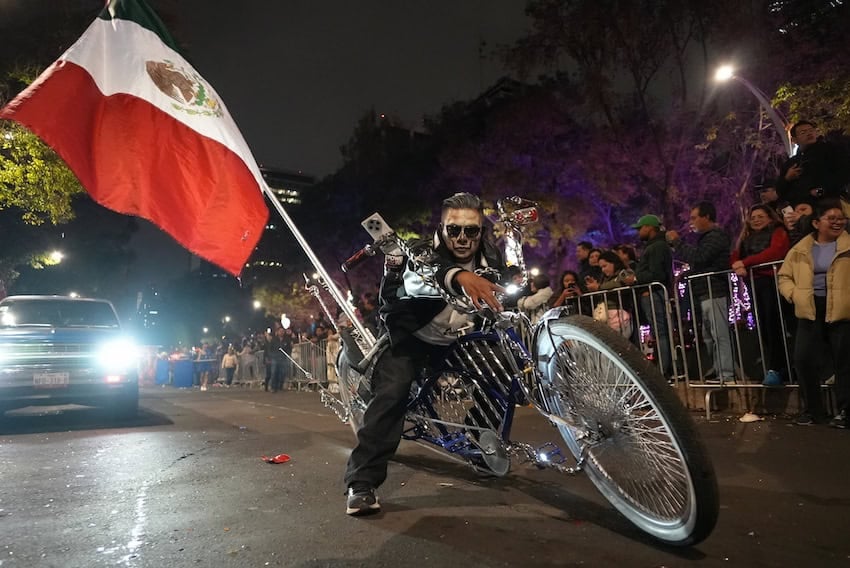
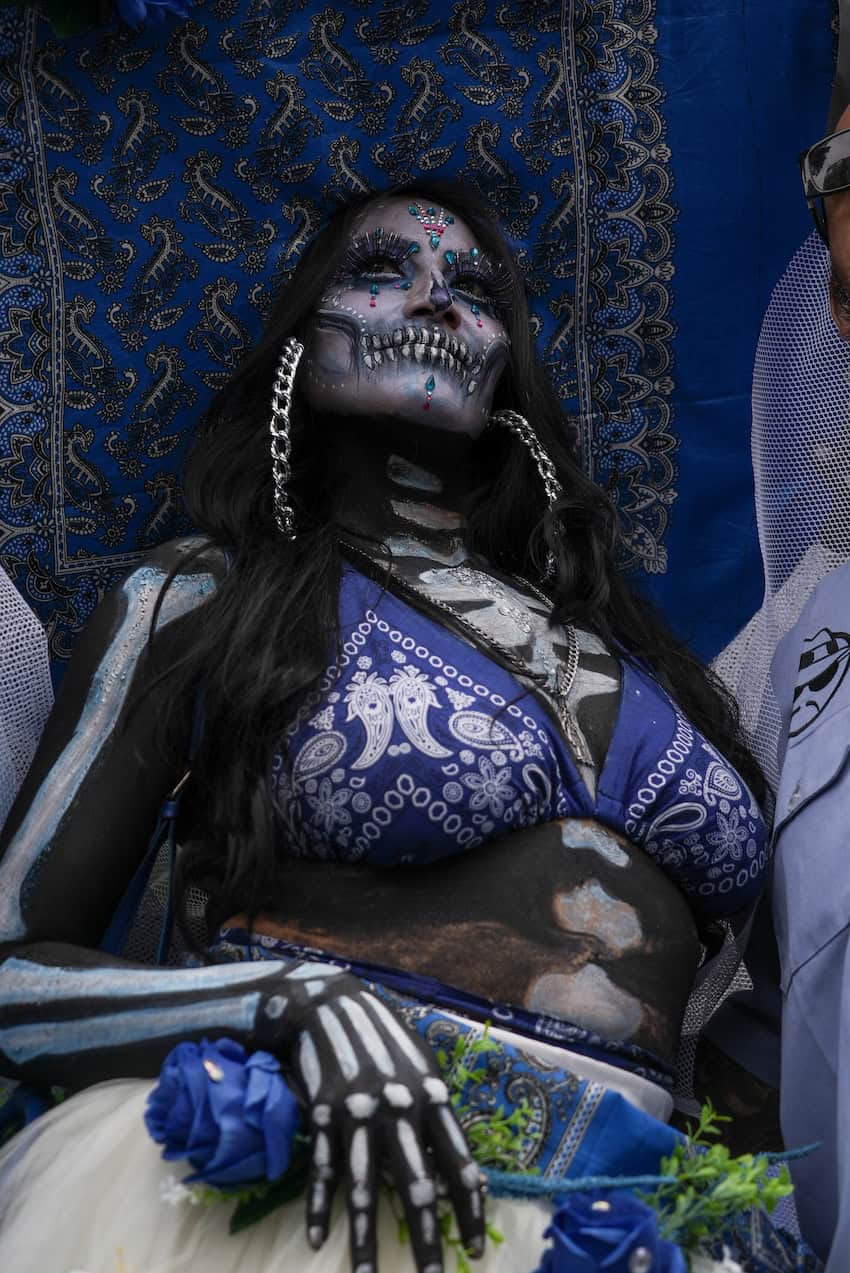
Juan, who brought his lowrider car to one of Mexican Family’s Día de Muertos parades with his teenage daughter, shares the same sentiment. “We grew up in the street, but we’re here because we don’t need the street anymore,” he says.
“Ten years ago, you could not have seen us here all together, from different barrios,” he says, alluding to the fact that many of them were members of different street gangs here in the city.
For Alvin, who grew up without papers in the U.S. and voluntarily came back to Mexico five years ago, his membership in the group is a family homage.
“My father was a cholo. I grew up watching my dad with all the bikes, these cars,” he says.
In this way, Mexican Family seems to have also become an asylum for men with troubled pasts to start anew, without forgetting the culture that raised them.
Toeing the line between bravado and vulnerability, the group could be accused of glorifying the violence attached to gang aesthetics. But perhaps what it does best is hold space for the complexity of an identity crossed by a multitude of borders, subject to poverty, marginalization and all too often, violence — and seek to redefine it as a community united by culture, pride and family.
Mathilde Hourticq is a multi-platform journalist based in Mexico City covering breaking news, subcultures, youth issues and many other things in between. Her video-journalism has appeared on the Associated Press, AFP, and Press Association.