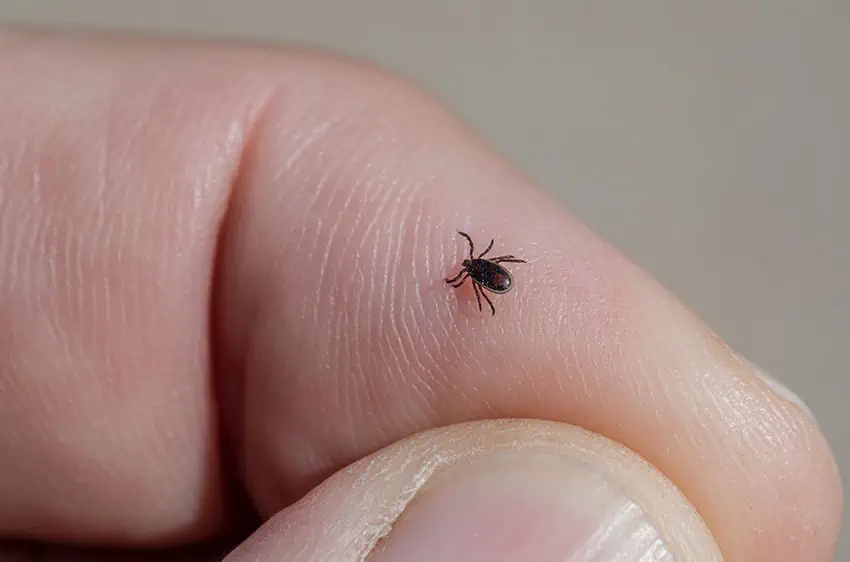
The United States Centers for Disease Control (CDC) has issued a health advisory for those traveling to northern Mexico, after three deaths from Rocky Mountain Spotted Fever (RMSF) were reported among recent visitors to Tecate, Baja California.
RMSF (sometimes known as rickettsia in Spanish) is a potentially deadly bacterial disease spread by bites from infected brown dog ticks. It cannot be spread from person to person. The disease has been found in urban areas of several north Mexican states, including Baja California, Sonora, Chihuahua, Coahuila and Nuevo León.
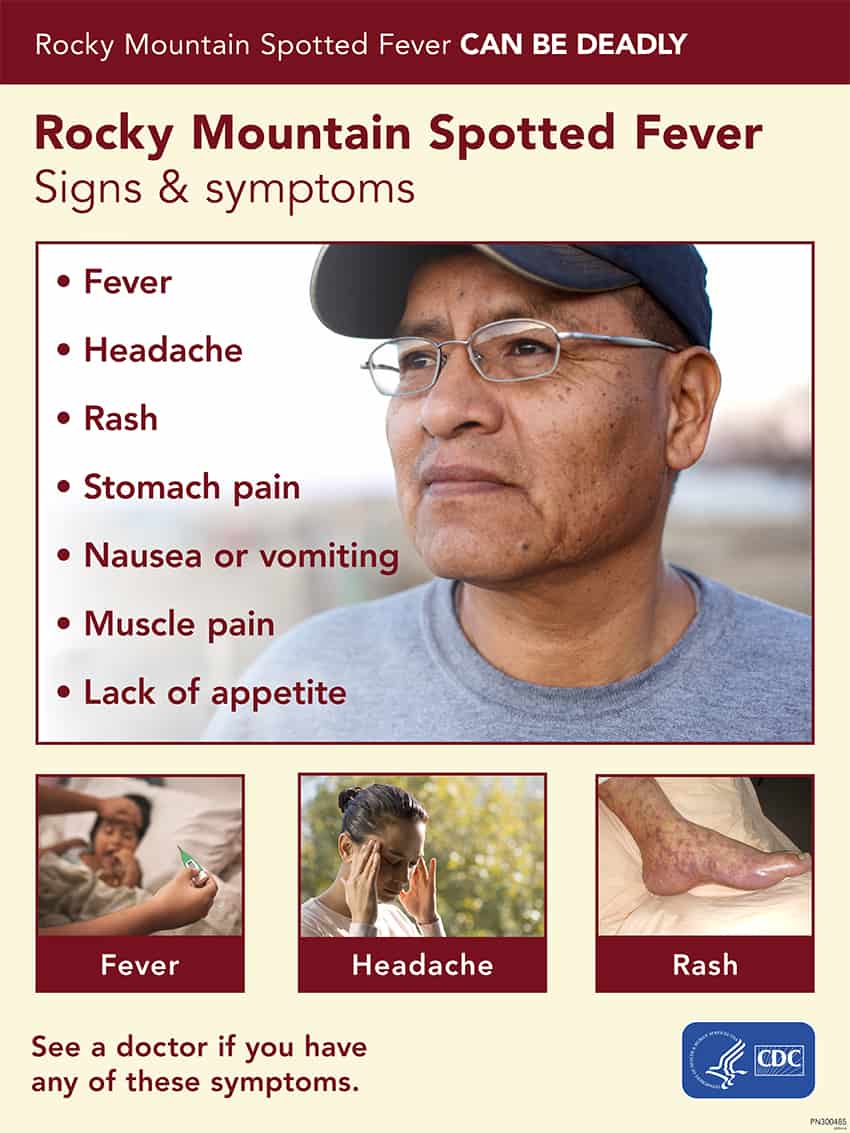
Its symptoms can include fever, headache, stomach problems, swelling around the eyes and on the back of the hands, and sometimes a rash that emerges 2-4 days after infection. The CDC warns that it is a severe and rapidly progressive disease that can be fatal within days if not treated promptly with the antibiotic doxycycline.
The CDC sounded the alarm after five cases were identified in Southern California since July, all involving people who had traveled to Tecate, Baja California in the previous two weeks. All five were hospitalized, and three died. Four were under age 18.
So far, no information has been released regarding deaths from the outbreak in Mexico, although the CDC estimates that RMSF’s fatality rate in Mexico could exceed 40%.
For now, the CDC’s travel advisory remains at the lowest Level 1, meaning “Practice Usual Precautions.” These include using insect repellent, checking your body and clothing for ticks, and treating your pet with tick-preventives if traveling with a dog.
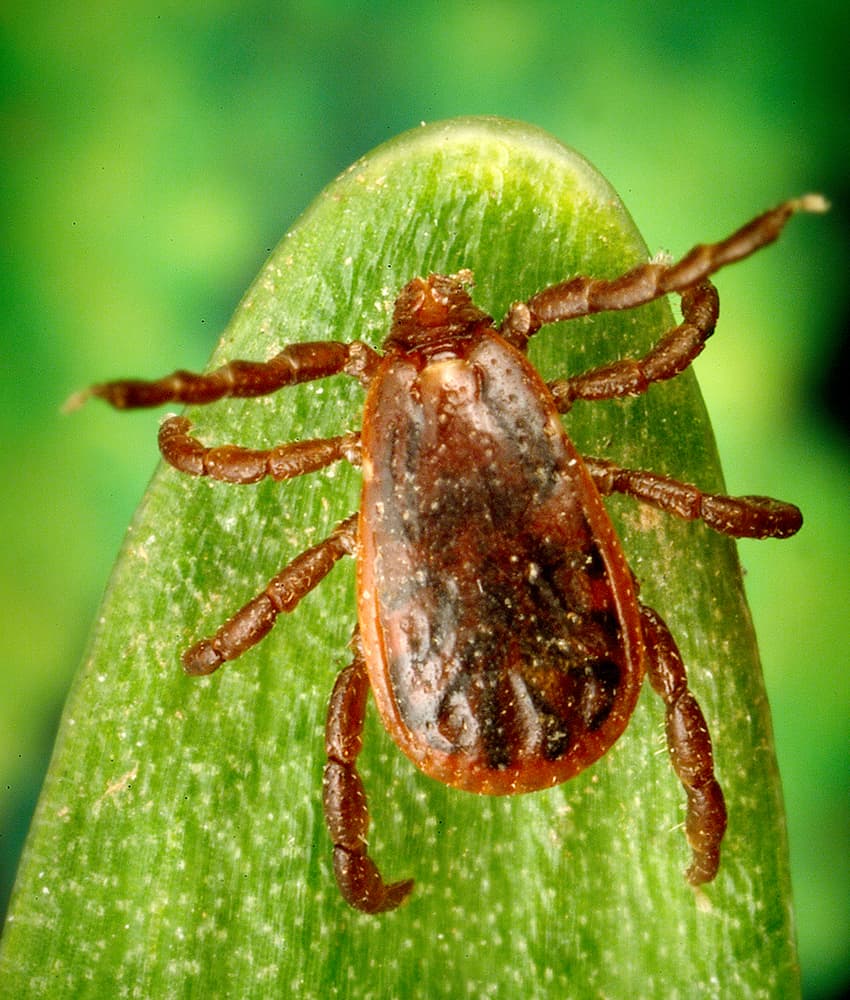
Travelers are warned that ticks can be tiny and their bites painless, so you may not realize you have been bitten. For this reason, it is important to seek medical attention if you develop any symptoms within two weeks of travel to northern Mexico.

While early symptoms are often mild and non-specific, if untreated they may progress after about five days to cause an altered mental state, coma, brain swelling, respiratory problems and multi organ damage. Most deaths occur within eight days of the onset of illness. Children under 10 are five times more likely to die from RMSF.
The good news is that doxycycline is considered a safe and effective treatment for RMSF in children and adults of all ages — as long as it is administered as soon as the condition is suspected.
“Do not delay treatment pending laboratory confirmation,” the CDC advises doctors. “Early treatment saves lives.”
With reports from CNN