My grandmother Ene spent decades working as a hospital nurse. She cared for thousands of people she had never met before, then came home and looked after her own family. When my grandfather was struggling with Parkinson’s disease, she nursed him too.
To me, she was simply the best grandmother imaginable. Caring for people was part of her working life, but it was also how I knew her as a wife, mother and grandmother.
View this post on Instagram
When she needed care for herself in her final years, I wanted to find somewhere that reflected that. Somewhere she would receive personal attention and feel comfortable living.

The options fell short. The places available felt like hospitals, lacked the personal care I had hoped for and were very expensive. I kept wishing there was somewhere better for her. She had given so much, and I struggled with how little of that seemed to be reflected in the choices available to her.
Ene died in the winter of 2025. Her experience stayed with me and eventually became part of the reason I started RetireMexico.
Making a home in Puerto Vallarta
Before settling in Mexico, I had spent years traveling. Home often depended on where the next flight took me. In 2021, I settled in Puerto Vallarta.
I have worked in marketing and sales since 2013. Along the way, I founded Spring Hub, a coworking space in Tallinn, Estonia, and Vivian Agency, the marketing agency I still run.
Those projects gave me experience building businesses. My grandmother’s final years brought me to a subject I understood much more personally. I had been a family member trying to find care for someone I loved, struggling to find an option that felt right.
When aging loved ones refuse help
Alejandra Arenas, who now co-leads RetireMexico with me, came to this work through experiences of her own.
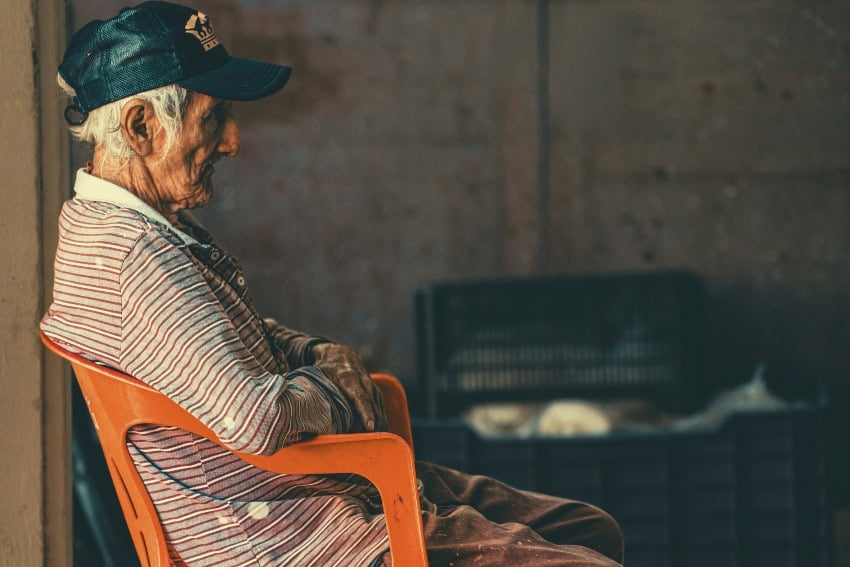
Alejandra was born and raised in Puerto Vallarta. As a child, she watched her great-aunt live with dementia over six years of summer visits. Her great-aunt had been a pianist. Eventually, as Alejandra described it, she was “just pressing keys.”
Her great-uncle Armando cared for his wife around the clock without outside help.
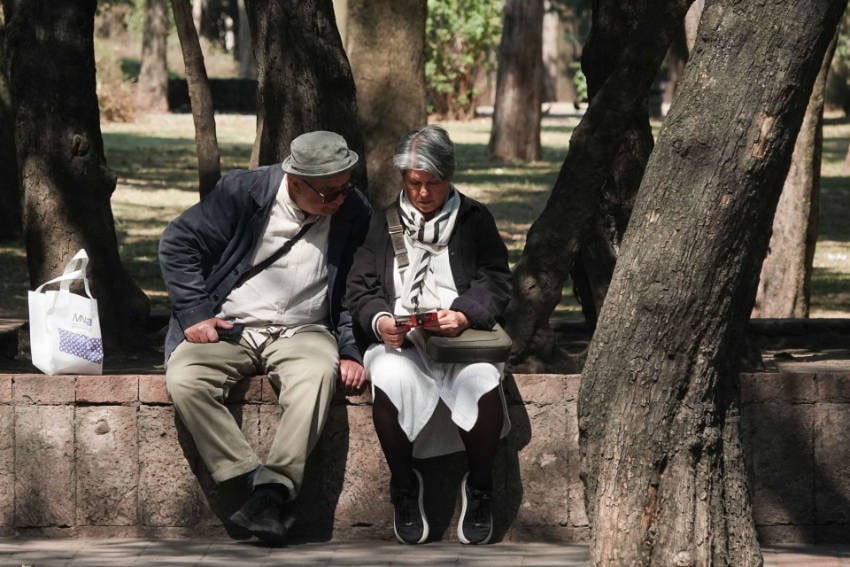
Later, while in high school, Alejandra volunteered at a senior home on the outskirts of Puerto Vallarta. She helped organize movie nights and art activities. The residents received physical care, but some felt their families had set them aside.
“A home can meet every physical need and still fail the person living in it,” she told me.
Then there was Jim, her mother’s closest friend in Puerto Vallarta. An American who had lived there for more than 25 years, he developed cancer and later dementia. By then, he had no family or old friends left, only his cat.
Jim refused nearly all help, even as strangers began taking advantage of him. Alejandra and her mother became his caregivers, learning as they went how to protect him and manage the responsibilities that came with his declining health. They cared for him until he died in 2019.
For Alejandra, that experience raised a question that sits at the heart of our work. How do you help someone accept support while respecting the independence they still have?
“Finding the right care is only half of it,” she said. “The other half is finding the right moment, and helping someone still largely independent make that move without feeling erased.”
Finding a path forward
My grandmother’s experience and Alejandra’s years of caregiving were different, but they gave us plenty to talk about. We both knew how difficult these decisions could become when someone you loved needed help.
We began building RetireMexico as a free directory of senior living communities in Mexico, gathering information and checking the details with the homes themselves.
The work involves practical questions about staffing, rooms, costs and the care a residence can provide. Our own experiences also keep us asking about daily life. Who notices when a resident is withdrawn? What happens when someone refuses help? Will the person moving in have a say in how they live?
I still wish I could have found a better place for Ene. I cannot change the choices available to her then. But her experience continues to shape the questions I ask on behalf of other families.
Enelin Toneva is a contributor to Mexico News Daily.