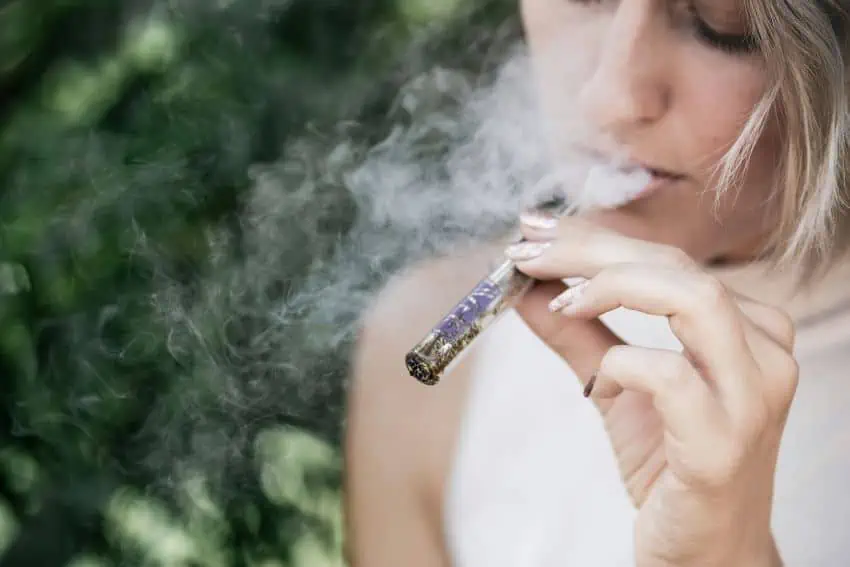
Mexico’s relationship with marijuana has been a long and complicated one. While hemp, a variety of cannabis with low psychoactive properties, has been used for textiles and rope for centuries, the psychoactive version, marijuana, has had a more turbulent journey.
Decriminalized in small quantities in 2009, the plant took a historic leap in 2021 with Supreme Court rulings decriminalizing recreational and medicinal use. However, the legal scaffolding is still under construction.
The Past
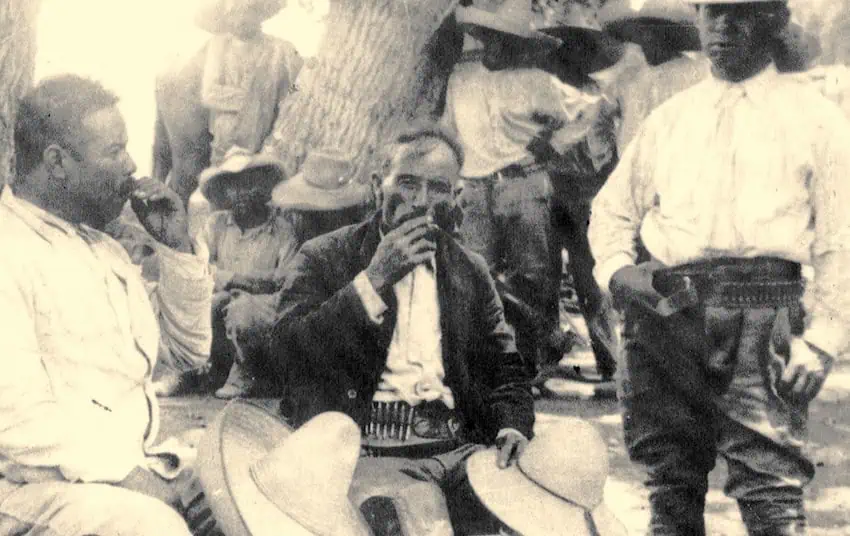
Marijuana in Mexico has some interesting periods of cultivation, medicinal use and even prohibition.
Introduction (16th Century)
The Spanish brought cannabis to Mexico, primarily for its industrial use as hemp for making rope and textiles.
Uses (19th Century)
After Mexico gained independence, hemp cultivation declined. By the late 19th century, recreational cannabis use, known as marihuana in Mexico, became more prevalent.
Prohibition (20th Century)
Concerns about violence and social disorder led to a ban on marijuana use in military hospitals in 1882. Fueled by negative media portrayals and international drug control trends, Mexico fully prohibited marijuana production, sale and recreational use in 1920. This ban continues today.
The present
Since the LXIV Legislature commenced its term in September 2018, 13 initiatives aiming to regulate recreational marijuana use and its derivatives have been introduced in Mexico. However, 12 of these initiatives remain among the labyrinthine committees of the Chamber of Deputies and the Senate, leaving the nation in a state of legislative limbo.

Among prominent proposals lies the initiative championed by former Morena senator Gerardo Novelo Osuna, a stalwart figure in the marijuana legalization discourse. Introduced in October 2019, Novelo Osuna’s initiative advocates for creating the General Law for the Regulation, Control and Use of Cannabis and its derivatives. This bill endeavors to reform various articles within the General Health Law, the Federal Criminal Code and the Law of the Special Tax on Production and Services.
At its core, Novelo Osuna’s proposal seeks to delineate the identification of cannabinoids, decriminalize possession for personal consumption (set at 28 grams, or one ounce), and establish a regulatory framework governing the cultivation, production, sale and consumption of marijuana. Moreover, it addresses taxation intricacies, with proposed modifications to the Law of Special Tax on Production and Services targeting products containing tetrahydrocannabinol (THC) within specified thresholds.
More reform initiatives
Echoing the chorus for reform, Senator Clemente Castañeda of Movimiento Ciudadano (MC) presented an initiative in September 2018, advocating for amnesty for individuals incarcerated due to cannabis-related offenses. This proposal underscores the societal repercussions of punitive measures stemming from marijuana prohibition, signaling a call for compassion and rectification within the justice system.
Further diversifying the legislative landscape is the initiative by PAN Deputy Éctor Ramírez, currently under review in the Health Commission of San Lázaro. Ramírez’s proposal aims to regulate the utilization of non-psychoactive cannabis within cosmetic products. By delineating thresholds for psychoactive substances and facilitating the manufacture, importation, and commercialization of hemp-infused cosmetics, the bill seeks to harness the economic potential of cannabis derivatives while ensuring consumer safety.
Legislative impasse
The Supreme Court’s 2021 decision decriminalized recreational use with a caveat — permits are still required. As of 2025, COFEPRIS has established a free administrative procedure for adults (anyone over 18 years of age) to apply for personal cultivation and consumption permits. However, CBD and recreational wellness products remain medical-only in practice, and the permit status of personal cultivation for foreign residents is still a bit cloudy.
Meanwhile, the legislative impasse persists, casting a shadow over Mexico’s aspirations to align with global trends in marijuana regulation. Despite efforts to emulate the successes of Uruguay, Chile, Canada and many U.S. states in legalizing recreational marijuana, substantive debates surrounding penalties for possession and consumption linger, reflecting the delicate balance between public health concerns and individual liberties.
Also, foreigners should be cautious — while possessing small amounts may be decriminalized for residents, tourists could face stricter consequences.
The future
Mexico’s marijuana decriminalization is a landmark decision, but the road to a fully functioning legal market is still complicated. The Mexican Congress must draft and pass regulations establishing a system for licensing producers, retailers and distributors. This will likely take time, with potential revisions based on experiences in other countries.
The MMGY Travel Intelligence survey — called the Cannabis Tourism: Opportunities, Issues and Strategies report — found that 29% of all active leisure travelers, and 18% of all Americans, are interested in cannabis-related activities on vacation. If the recreational market in Mexico were regulated today, it would reach an estimated value of US $278 million in 2027.
Legislation on marijuana is important because it will prevent large interests from taking advantage of the market, train small and medium-sized companies, and provide education to prevent addictions, issues on which his organization is working.
This article was first published in 2025. It has been reviewed and updated for 2026.
Camila Sánchez Bolaño is a journalist, feminist, bookseller, lecturer, and cultural promoter and is Editor in Chief of Newsweek en Español magazine.