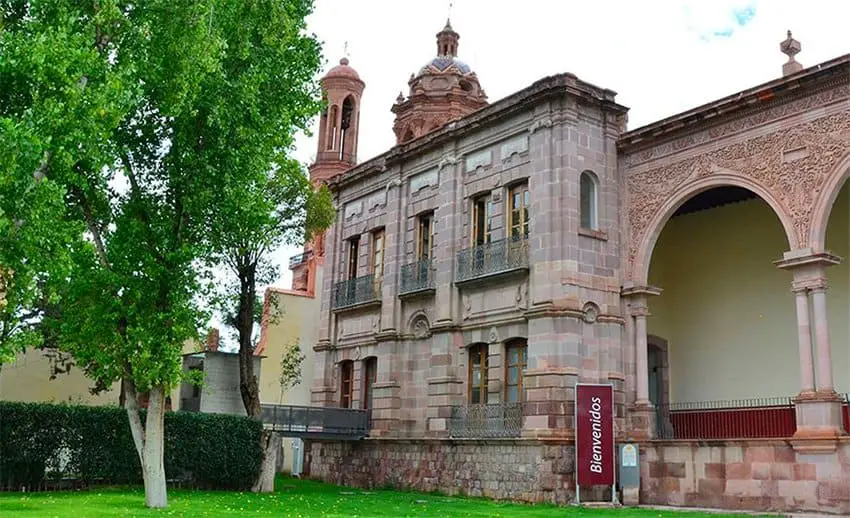
There are now 121 towns on the list of those considered magical with the addition this week of 10 new Pueblos Mágicos by the federal Secretariat of Tourism.
Located in central and northern Mexico, the new magical towns are Muzquiz, Coahuila; Nombre de Dios, Durango; Comonfort, Guanajuato; Zimapán, Hidalgo; Tlaquepaque, Jalisco; Compostela, Nayarit; Bustamante, Nuevo León, Amealco de Bonfil, Querétaro, Aquismon, San Luis Potosí; and Guadalupe, Zacatecas.
The magical town brand was launched in 2001 to showcase tourist destinations other than beach resorts, explained Tourism Secretary Enrique de la Madrid Cordero, explaining that a total of 3 billion pesos (US $158.9 million) has been invested in improving the infrastructure in the designated towns.
De la Madrid introduced the new additions — the 10 were selected from a list of 88 applicants — during the fifth annual magical towns fair yesterday in Morelia, Michoacán.
Today the tourism secretary said the incoming federal government, which takes office December 1, was in agreement with the expanded list. He said the nominee to succeed him agreed with the proposal to add the new towns despite having said he felt the number of towns was excessive.
Miguel Torruco Marqués also criticized the program for having become politicized.
Source: El Financiero (sp)

[soliloquy id="63073"]