Mexico’s nascent “Food for Well-Being” program, which supports the domestic production of native crops like coffee, chocolate and beans, has announced the addition of a new product to its inventory: Wellness Honey.
The Wellness Honey joins the Wellness Chocolate in an effort to prop up local producers and offer affordable, high-quality food to consumers.
Government ‘Wellness Chocolate’ is coming soon to a store near you
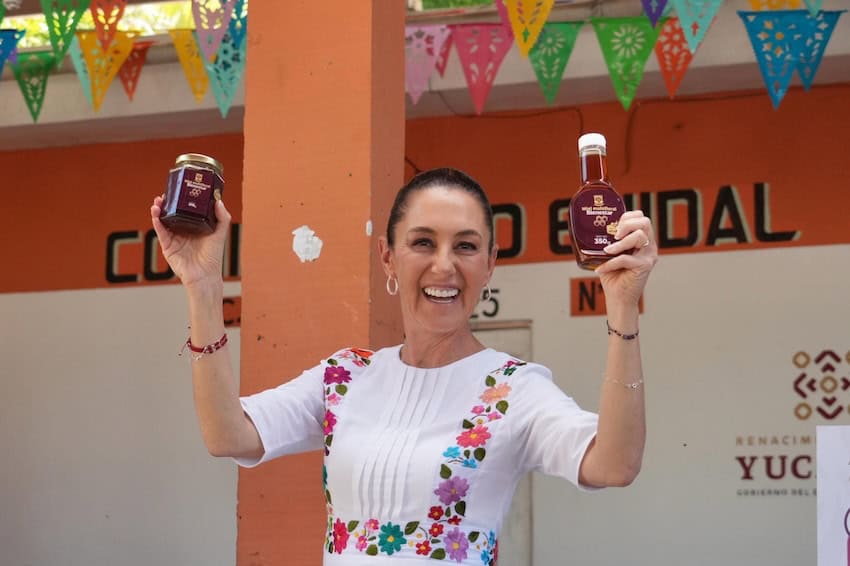
During the product’s launch in Chocholá, Yucatán in April, President Claudia Sheinbaum explained that the Food for Well-Being program seeks to promote fair trade, directly benefiting farmers and avoiding intermediaries who reduce their profits. While the Wellness Chocolate supports producers in the southern states of Chiapas and Tabasco, the Wellness Honey will support producers in Yucatán.
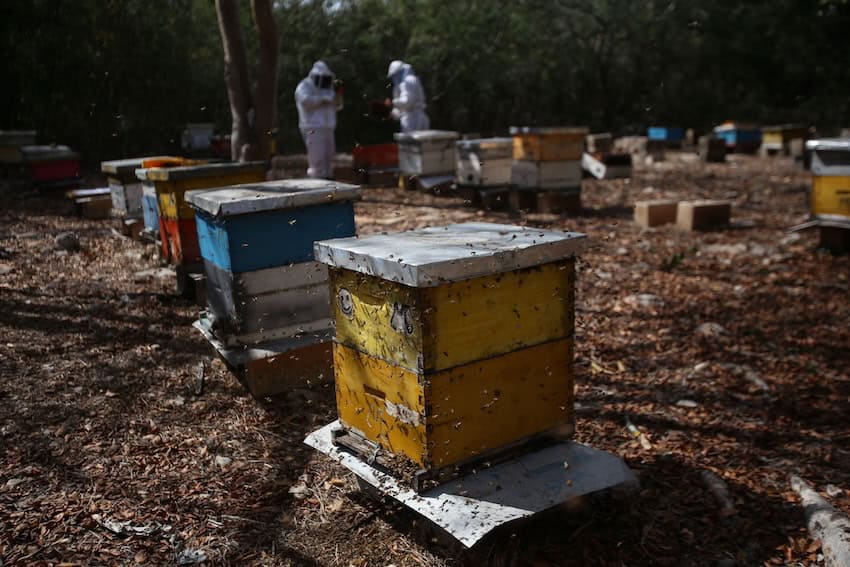
According to Yucatán Governor Joaquín Díaz Mena, the state is the largest honey producer in the country and one of the largest exporters worldwide, with some 11,000 families depending on this industry. Official numbers estimate that Yucatán produces around 8,000 tonnes of honey per year.
“We are going to support all honey producers in Yucatán. Their honey will be purchased at a fair price, and from there we will deliver it to all Wellness Stores throughout the country,” Sheinbaum said.

With over 24,000 branches across Mexico, government Wellness Stores have replaced the previous Diconsa and Liconsa stores, which provide basic food basket items at affordable prices for Mexico’s lower class, mainly in rural and marginalized areas.
In addition to chocolate and now honey, products found in the Wellness Stores include coffee from Puebla and beans from Zacatecas, Durango and Nayarit. The honey will be collected primarily from small Yucatecan beekeepers, who face challenges due to low international prices and environmental problems.
According to Iván Rico López, Director General of Interinstitutional Liaison of the Ministry of Well-Being, in the initial phase, 30 tonnes of honey were collected in Chocholá for 70 pesos [US $3.78] per kilo.
Meanwhile, the head of the Yucatán Ministry of Rural Development (Seder), Edgardo Medina Rodríguez, explained that the Wellness Honey program includes building a modern honey processing plant in Valladolid sometime this year, to begin operations in 2026.
With an investment of 60 million pesos (US $3.24 million), the plant is expected to benefit 300 honey producers across 12 municipalities in the state. The move seeks to add value to the product, facilitate its marketing and generate new opportunities for local beekeepers. Furthermore, the plant will open job positions to young apicultures in the region to boost local talent.
With reports from Puebla Contra Réplica