The Cain Road Race will bring 100 motorcyclists to battle the curves of a stretch of the non-toll Durango-Mazatlán highway known as El Espinazo del Diablo (The Devil’s Backbone) in mid-November.
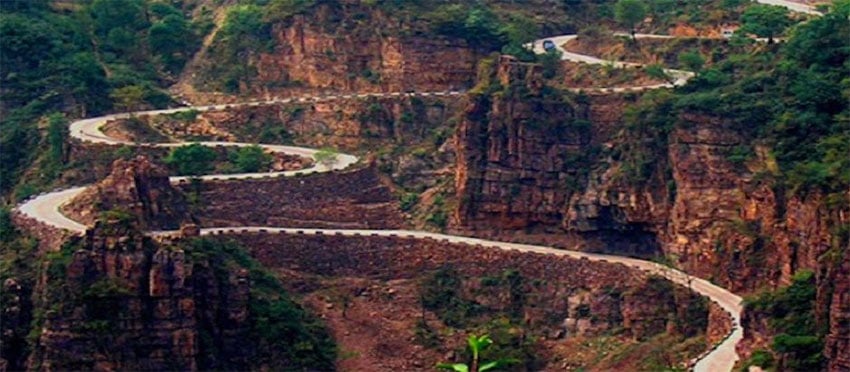
The 538 curves that make up this 74-kilometer piece of road through the Sierra Madre Occidental are known for their dizzying heights and breathtaking views.
The president of the race’s organizing committee, Jorge Quiñones Soto, said the riders will hail from all over Mexico and the world, including Colombia, Argentina, Spain, England and Northern Ireland.
Now in its fourth year, the race is expected to attract at least 9,000 spectators from both Mexico and abroad.
Quiñones said the event has grown each year to become a major tourist attraction in the region.
“The first year there were 500 visitors, the second 3,000, 6,500 came in the third year, and now we’re expecting 9,000 people from all over Mexico and abroad, and the idea is to add more and more countries to the event [in the future],” he said.
He said that a similar race held on the Isle of Man in May and June brings 100,000 people each year.

Prizes like helmets and riding suits will be awarded at the end of the race, but they will be mostly symbolic. Quiñones said the real prize is the experience itself. Honing their skills on the curves sculpted atop cliffs as tall as 200-300 meters will give the riders an adrenaline rush they won’t soon forget.
The departure point of El Palmito, a community in Concordia, Sinaloa, is 1,920 meters above sea level. From there, the Devil’s Backbone twists and turns through peaks as high as 2,750 meters, then descends to 120 meters above sea level.
The road’s most famous lookout point is called Buenos Aires, located at the highest point on the road.
The race takes place November 15-17.
Sources: Milenio (sp), Matrax Tyres (en)