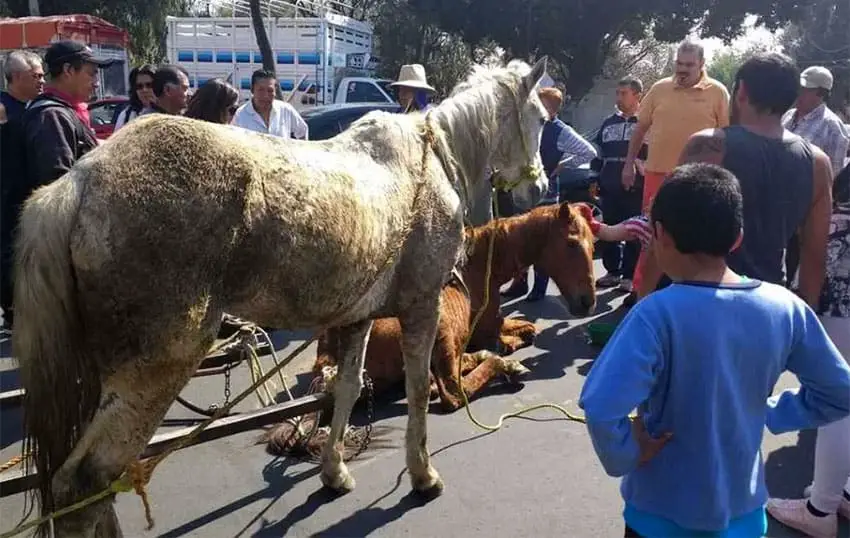
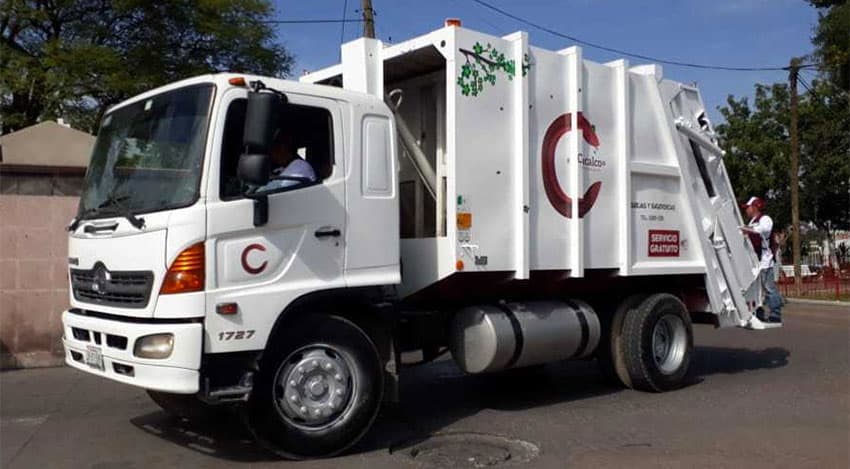
The use of donkey and horse-drawn carts to collect trash officially came to an end in Coacalco, México state, on Tuesday after the municipal government put 40 new garbage trucks into operation.
More than 200 cart drivers who have long collected garbage in the municipality north of Mexico City will no longer be allowed to operate, said Mayor Darwin Eslava.
He said citizens demanded the removal of animal-drawn carts from the streets of Coacalco after expressing concerns about the treatment of the animals for many years.
“In the coming days, there will be a council meeting at which we’re going to ban” animal-drawn vehicles, Eslava said.
In the first instance, burreros (donkey drivers) will be a given a warning to leave Coacalco if they are seen operating on the streets, the mayor said. If they reoffend their animals will be taken away from them.
“We have an agreement with the people at the Otumba donkey sanctuary,” Eslava said.
He added that the cart drivers will be offered alternative employment by the municipality.

The local government signed an agreement to lease the garbage trucks for the next two years at a cost of 40 million pesos (US $2 million) annually. They will provide service to the entire municipality, where about 500 tonnes of trash are generated every day.
The government previously had the capacity to collect garbage in only 70% of Coacalco while the cart drivers provided service in the remaining areas.
Eslava said garbage collection will be free for Coacalco residents and that new drivers will also be prohibited from receiving tips.
Local authorities are also planning to put a waste sorting system in place to encourage residents to recycle.
Source: El Universal (sp), La Prensa (sp)