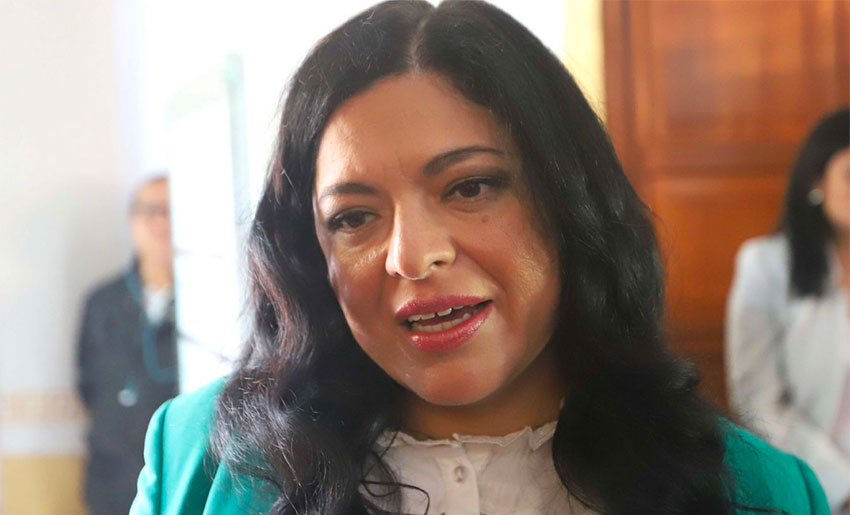
Following months of protests, an artists’ coalition has met with federal Culture Secretary Alejandra Frausto, who apologized for unpaid salaries and promised to improve government funding of artistic and cultural projects.
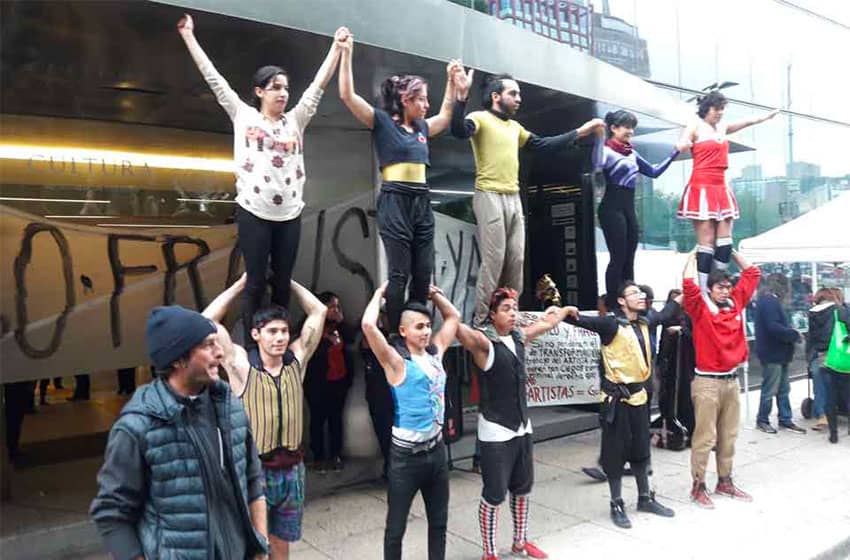
On January 16, unpaid artists protested at the federal Secretariat of Culture building on Avenida de la Reforma, where they cited salaries and other debts due on more than 100 projects.
A week later, the department and artists associated with the group #NoVivimosDelAplauso (We don’t live off of applause) came to an agreement for immediate payment, but only for half of the 4,000 individuals owed money. The other 2,000 would be paid in installments for about a month.
However, the artists’ demands grew, including one to meet with the secretary herself on February 4. At this meeting, she offered her apologies and assured that the issue would be clarified and that monthly meetings and roundtables would be held to resolve other questions.
Frausto promised on-time payments in the future. “I’ll make sure this does not happen again … It was not due to a lack of will; [the situation] put the institution to the test.”
Federal and state authorities have long hired artists of all kinds for projects. Without such funding, there would never have been a Mexican muralism movement. However, the system for funding artistic projects has long suffered from a lack of transparency, leading to problems with inclusivity and diversity and enabling individuals and organizations to work the system to their favor.
There is also a longstanding tradition of not paying artists on time for contracted work, both at the state and federal levels.

Artist activist Abril Reza said, “They commit institutional violence because they have us under their thumb … We decided to organize and take a count of who we are. We are not fighting [the government], we are pointing out the systemic faults which have had consequences. We are organized because we want things to change.”
The issue came to a head as the last fiscal year was ending and many artists had not seen any money from contracts for projects for the entire year. On December 23, after they’d been told they might not get paid until the end of January, a group of 100 artists protested outside the National Palace. They blocked the main entrances of the building before President López Obrador’s morning press conference.
This particular protest was for monies owed by the Mexico City government, the result of which was a declaration of responsibility by the city’s secretary of culture, Alfonso Suárez del Real, as well as a meeting with Mayor Claudia Sheinbaum. The city admitted at the time that it had no list of artists who were owed money and that its administrative personnel were overwhelmed. At the end of December, Sheinbaum signed an agreement with the group to work on a solution.
While the protests have been most visible in Mexico City, there have been actions in other states as well, notably Chihuahua.
The artists’ group has made similar complaints at the federal level, in particular regarding projects for the Los Pinos Cultural Complex, the National Theater Board, the National Center for the Arts and some other institutions.
Source: El Universal (sp)