Greater regulation of Airbnb and similar accommodation platforms is needed to ensure a level playing field in the tourism sector, according to the head of a national hotels association.
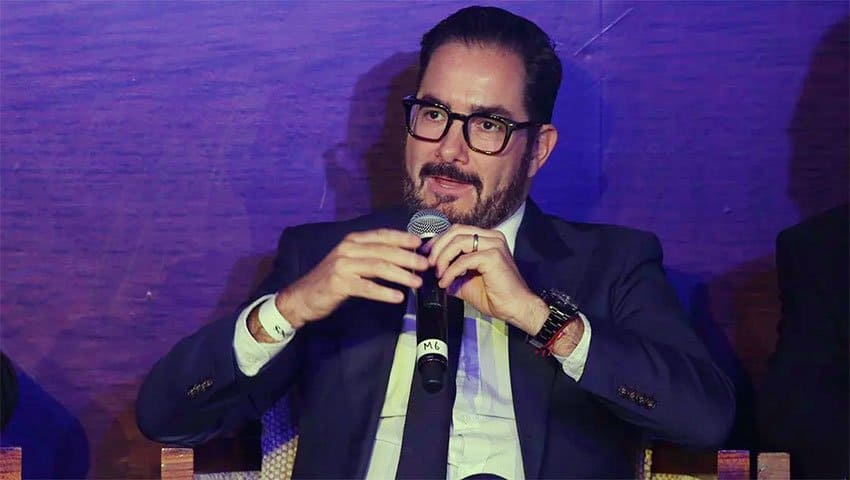
“We’re conscious that Airbnb is not going to disappear and we know that no country has found the perfect formula to regulate it but we believe that there is a lot to do, in terms of regulation,” said Braulio Arsuaga Losada, president of Hotels for Mexico, an association that represents 20 major hotel chains.
“For the moment, as hoteliers we want to be part of the roundtable discussion; we [the tourism sector] are one of the three largest industries in the country and we generate 9% of GDP,” he added.
Seven Mexican states including Guerrero and Mexico City charge Airbnb hosts booking taxes of 2% to 3% but federal Tourism Secretary Miguel Torruco has proposed the introduction of a nationwide regulatory framework for online hospitality services.
Speaking at a tourism industry event, Arsuaga said that a review of current regulations should extend to all companies that operate in the sector.
“It’s about there being game rules that stimulate investment, innovation and sustainable development. We want regulations that foster fair competition but which also make us competitive,” he said.
Arsuaga, who is also the CEO of the Presidente hotel group, contended that the Mexican tourism industry needs to reinvent itself to better compete in the global market.

“The great challenge for Mexico is to react with speed and intelligence to this revolution; that implies the intensive use of technology to get to know the needs of tourists and to attend to them better,” he said.
“By the same token, we must improve our tourism competitiveness. We’re in 22nd place, according to the World Economic Forum, but we can advance a lot more. That means taking meaningful steps on a lot of things: infrastructure, regulation, human capital and sustainability among other things.”
The industry representative also addressed the government’s decision to disband the Tourism Promotion Council (CPTM).
“We understand the decision of the government and we want to be proactive. There are three tasks that they did at the CPTM and we want to work, with maximum collaboration between the public and private sectors, so that they continue to be done: tourism promotion, public relations and crisis management,” Arsuaga said.
“At present, insecurity and sargassum need a highly-coordinated crisis management effort. It’s about being in constant communication with tourism operators abroad and sending a message to potential tourists; the Mexico brand requires a sustained effort over time.”
Source: El Economista (sp)