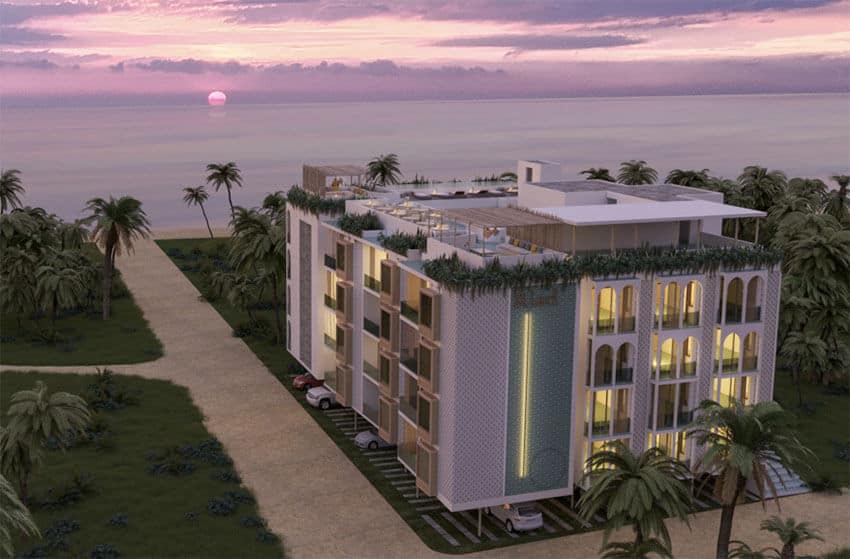
Hundreds of residents of a small town on the northeastern coast of the state of Yucatán are fighting to stop the construction of a luxury condo hotel that has already been approved by the federal government.
The Environment Ministry (Semarnat) last year approved construction of the beachfront Riad Romeo hotel in El Cuyo, a fishing village on the Gulf of México near Yucatán’s border with Quintana Roo.
Local authorities have also signed off on the project. In the past, much smaller projects have been rejected based on their environmental impact, leading some residents to suspect that there were irregularities in the new hotel’s approval process.
Residents say the four-story building – which would consist of 40 apartments (already on sale on real estate websites) and amenities including a restaurant, rooftop swimming pool and car park beneath the first floor – threatens the natural environment and local wildlife, and would cause sewage, litter and light pollution problems.
They say the hotel would adversely affect the Ría Lagartos Biosphere Reserve, a UNESCO protected area with mangroves, small estuaries, coastal lagoons, marshes and savanna that are home to a variety of species, including endangered ones.
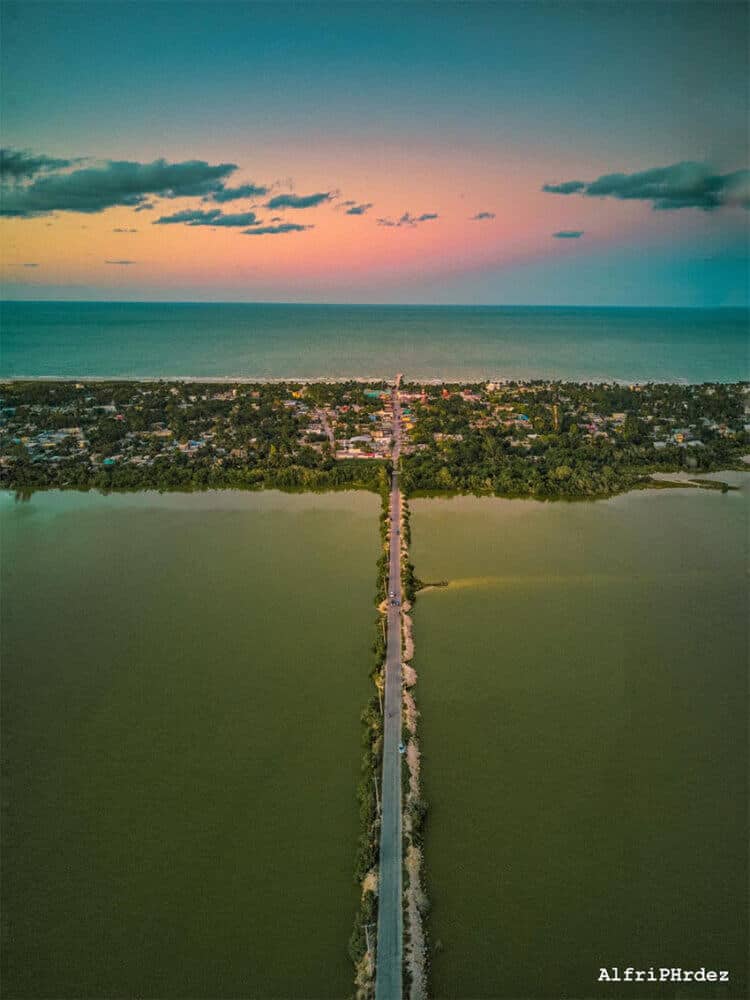
Residents assert that the planned construction poses risks to the reproduction of flamingos, crocodiles, fish and sea turtles that nest on the coastline of northeastern Yucatán. They have also warned of risks to migratory birds.
In addition, the new hotel – which would easily be the tallest building in El Cuyo – would place additional pressure on electricity, water and trash collection services, which are already stretched.

Local official Neydy Yolanda Puc Gil, elected town commissioner last September, and other El Cuyo residents opposed to the developments have denounced Semarnat’s failure to consult with locals before approving the Riad Romeo hotel and other tourism developments.
At a recent meeting with Paulina Navarrete, a representative of the hotel, residents made it clear that they do not want the new hotel.
They told Navarrete they didn’t want any new developments to be built in El Cuyo, according to a report by the newspaper El Diario de Yucatán. They also gave some blunt advice to the company, telling it to get out of town and not come back.
For its part, Riad Romeo has asserted that the construction will benefit the economy of the local community, such as providing jobs for El Cuyo residents. That claim was met with contempt at the recent meeting, according to a resident who spoke with Mexico News Daily. (The resident spoke on condition of anonymity to avoid retaliation from local authorities, some of whom support the project.)
Meanwhile, a Change.org petition with the hashtag #SalvemosElCuyo (Let’s Save El Cuyo) had attracted support from about 21,000 people as of Thursday morning, a figure some 10 times larger than the town’s population.
“Only working together can we save El Cuyo! Let’s preserve the peace! Let’s preserve everything that makes El Cuyo so beautiful! No to massive construction! No to political leaders who insult the wishes of residents! No to turning El Cuyo into another [Isla] Holbox! No to the destruction of the environment!” the petition says.
José Jesús Rosado Castro, an El Cuyo homeowner, explained that he supports the petition because “the tranquility of the residents is worth more than the ambition of authorities and unscrupulous developers.”
The El Cuyo resident who spoke with Mexico News Daily said this week that construction is currently stopped amid the ongoing community opposition, but given that the project has the all the required permits – obtained in the proper way or otherwise – work is likely to resume at some point, unless people power ultimately prevails.
With reports from Por Esto and Diario de Yucatán