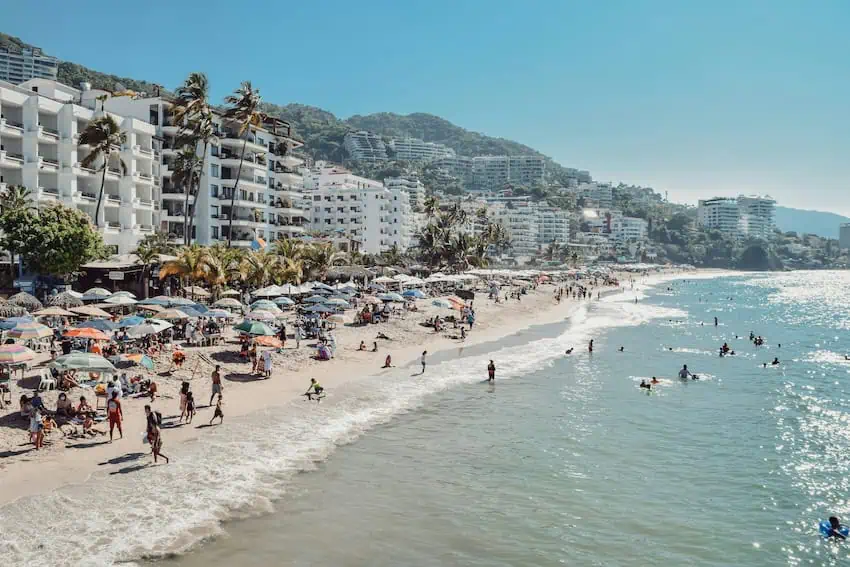
As part of a major crackdown on timeshare fraud in Mexico linked to the Jalisco New Generation Cartel (CJNG), the U.S. Treasury Department’s Office of Foreign Assets Control (OFAC) on Wednesday sanctioned four Mexican nationals and 13 Mexican companies allegedly involved with fraud at resorts in Puerto Vallarta.
The CJNG, a powerful drug trafficking cartel designated by the U.S. government as a foreign terrorist organization, allegedly leads the scams. The sanctions are part of a broader campaign against the financing of terrorist and criminal activities from Mexico, targeting their non-drug revenue streams such as fuel theft, human smuggling, extortion and fraud.
Oficina de Control de Bienes de Extranjeros (OFAC) sanciona a personas y empresas 🇲🇽 vinculadas con fraudes de tiempo compartido perpetrados por violento cártel que ahora complementa sus ganancias con estos fraudes y robo de combustible. #SegurosJuntos https://t.co/w59zG321pH https://t.co/n9Gne7LDTn pic.twitter.com/Qh5cEG1NLr
— Embajada EU en Mex (@USEmbassyMEX) August 13, 2025
“We are coming for terrorist drug cartels like Cartel de Jalisco Nueva Generacion that are flooding our country with fentanyl,” Treasury Secretary Scott Bessent said in a statement. “These cartels continue to create new ways to generate revenue to fuel their terrorist operations. At President Trump’s direction, we will continue our effort to completely eradicate the cartels’ ability to generate revenue, including their efforts to prey on elderly Americans through timeshare fraud.”
The Treasury calls on current owners of timeshares in Mexico to stay vigilant. “If an unsolicited purchase or rental offer seems too good to be true, it probably is,” Treasury said.

This isn’t the first time the OFAC has sanctioned those linked, directly or indirectly, to the CJNG’s fraudulent activities. Similar actions occurred in 2023 and 2024.
The timeshare fraud that the CJNG uses in tourist destinations like Puerto Vallarta often targets U.S. citizens, particularly seniors, who are contacted by call centers posing as real estate agents, lawyers or representatives of U.S. companies. Cartels “generally obtain information about U.S. owners of timeshares in Mexico from complicit insiders at timeshare resorts,” the FBI said.
The fraud typically involves the victim paying “fees” or “advance taxes” with the promise of receiving funds from the supposed sale or rental of their timeshare. The money never arrives, and consumers are frequently asked to pay more to resolve fictitious problems.
After the initial fraud, consumers may experience “revictimization” scams, where other criminals pose as lawyers or officials who promise to recover the lost money in exchange for further sums.
Some 7,000 U.S. victims lost roughly US $350 million to timeshare scams in Mexico between 2019 and 2024. However, the FBI believes these figures don’t reflect the total losses, as many victims do not report scams due to embarrassment.