Meth-flavored strawberries are the newest export from Mexico to the United States.
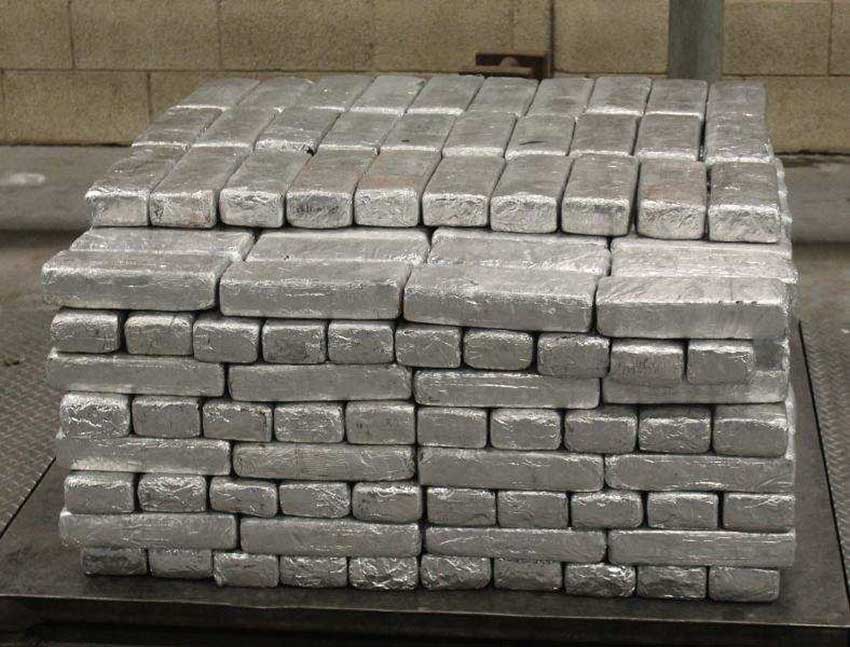
A haul of methamphetamine worth US $12.7 million was found last Saturday by U.S. Customs and Border Protection (CBP) agents in a commercial shipment of frozen strawberries from Mexico.
The CBP said the berries were found at at the Pharr-Reynosa International Bridge in Texas.
Agents found 350 tightly sealed packages amounting to 411 kilograms of the drug concealed in a semi-trailer.
The 42-year-old truck driver, a Mexican citizen, was arrested.
“This was an outstanding interception our officers accomplished this weekend,” said David Gonzalez, director of the port of entry, adding that the officers’ “astute sense of awareness and tenacity is unparalleled and truly commendable.”
The Pharr-Reynosa bridge is a major port of entry on the Mexico-U.S. border. According to officials, about 175,000 vehicles cross the bridge every month.

According to the CBP, 87% of methamphetamine seized at the border in the first 11 months of 2018 was being smuggled at legal crossings.
Source: Sin Embargo (sp), USA Today (en), CNN (en)