
Beginning Friday, each owner of a mobile phone in Mexico will be required to register and link each number with their personal identity by June 30 … or face service cuts.
Also, anyone acquiring a new phone or a digital SIM after Jan. 9 must register the phone number before service can be provided.
Beginning on July 1, all unregistered lines will be suspended until registration is completed. In other words, you will no longer be able to make or receive calls or text messages. The phone would only be usable for emergency calls, such as to 911, or for emergency alert messages.
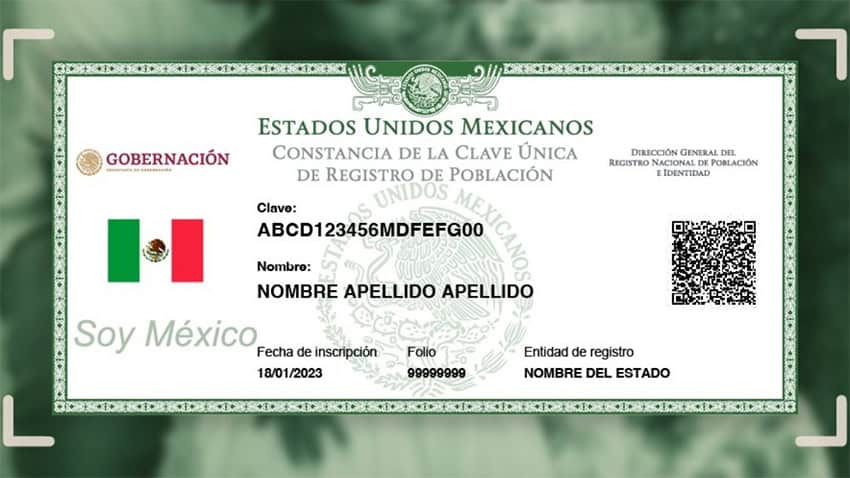
The mobile phone registry is a policy that requires each phone number to be linked to the identity of its owner. For Mexican nationals, the CURP (or voter ID in some procedures) will be required; for foreign nationals, a valid passport will suffice.
Mobile service providers will be responsible for validating and safeguarding the information associated with their customers.
Providers, such as Telcel, have begun disseminating the requirements and procedures for linking, unlinking and consulting lines, as well as the deadlines for users to register their lines. Users will be able to register remotely (with restrictions) or at branch offices across the country.
Providers are also required to send an SMS to unlinked lines at least once a week, reminding them of the registration obligation.

The General Law of the National Public Security System was approved in July 2025, giving rise to the national registry of mobile phone users — including foreign nationals — who have a telephone line operating in the country, regardless of the company.
The “Guidelines for the Identification of Mobile Telephone Lines” was published in the government’s Official Gazette on Dec. 9, 2025.
The government has defended its mandatory mobile phone registry policy on the basis of public safety. It has said that associating cell phone numbers with identities would help reduce telephone fraud, extortion and other crimes that use anonymous or easily rotated numbers.
It has also claimed that it will improve traceability in criminal investigations when there is a court order.
Although the security objective sounds laudable, critics have voiced several concerns:
- Privacy and data concentration: Creating centralized or interoperable databases could facilitate mass surveillance or misuse, particularly without strong technical and legal safeguards.
- Impact on connectivity for vulnerable populations: The requirement to present a CURP or passport may complicate access for migrants, the impoverished, or users without up-to-date documentation, thus widening the digital divide.
- Operational burden for operators: Validating tens of millions of records poses technical and operational challenges; errors in validation could lead to unjustified suspensions.
With reports from La Jornada, Milenio, Intercompras and Expansión