A new 15.7-billion-peso (US $770.5 million) aqueduct will be built to convey water to Monterrey, the head of the National Water Commission (Conagua) said Friday.
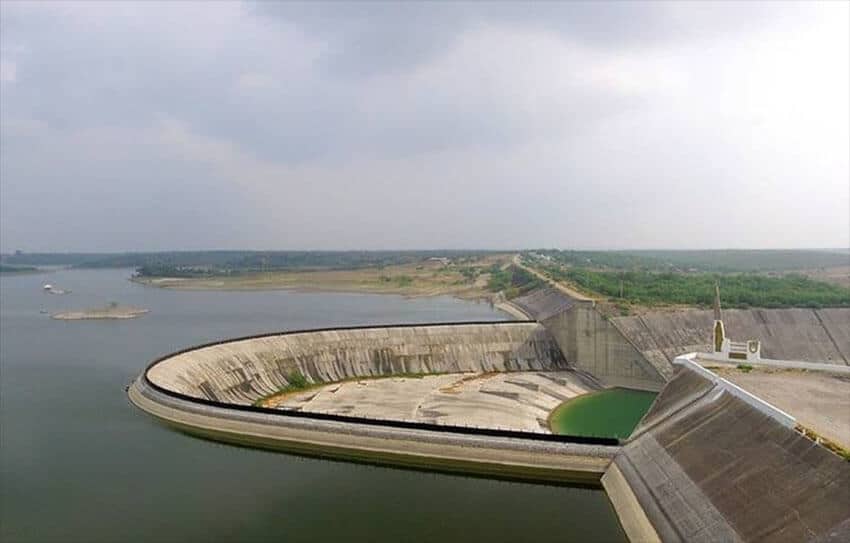
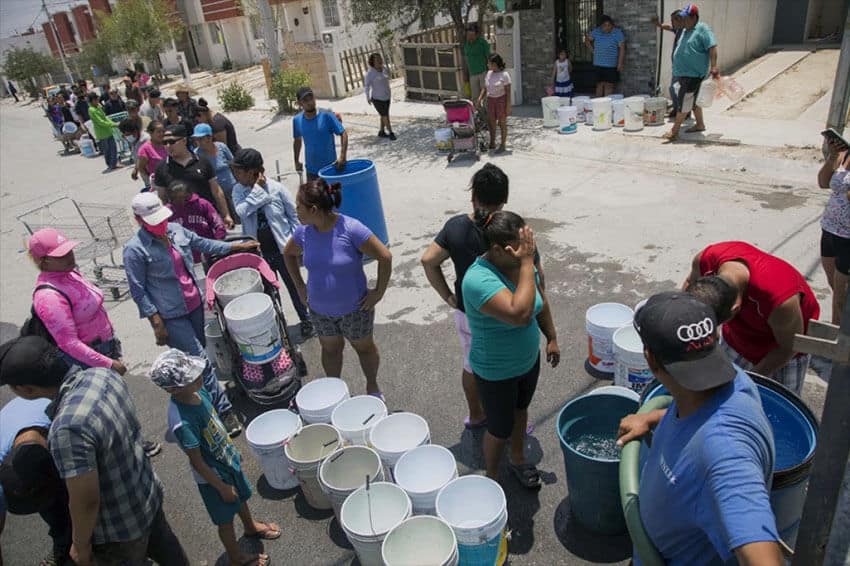
The El Cuchillo II aqueduct will transport water approximately 100 kilometers from the El Cuchillo dam in eastern Nuevo León to the state capital, where harsh water restrictions have been in place since early June.
Conagua director Germán Martínez Santoyo told President López Obrador’s press conference that half of the funds for construction will come from the federal government via the state-owned development bank Banobras and the other half will come from state and municipal authorities. He predicted that the project would be completed by late 2023.
However, López Obrador on Monday set out a more ambitious timetable. “The plan is to do it in eight months, 10 months, but starting now,” he said.
The president said that officials including Interior Minister Adán Augusto López and Martínez would travel to Monterrey on Monday to meet with Governor Samuel García to discuss the aqueduct project. “We also want [private] companies to participate,” López Obrador said, explaining that the government officials would seek a commitment to that end from the Nuevo León business community.
“… We’re going to provide the resources, it’s a tripartite investment: federal government, state government, municipal governments. But the issue isn’t just investment, but rather the fact that we have to finish this project in eight months and we can do it if it’s divided into 10 sections [with] 10 serious, responsible companies [working on them],” he said.
AMLO advocated a similar approach to that taken by military engineers that built the Felipe Ángeles International Airport in 2 1/2 years, saying that work should be undertaken “day and night” with “everyone helping” to get the aqueduct finished.

He noted that “there’s water in the dam,” but getting it to Monterrey is a problem. Much of Nuevo León, like most of northern Mexico, is currently in drought, a situation that led Conagua to declare an emergency last month.
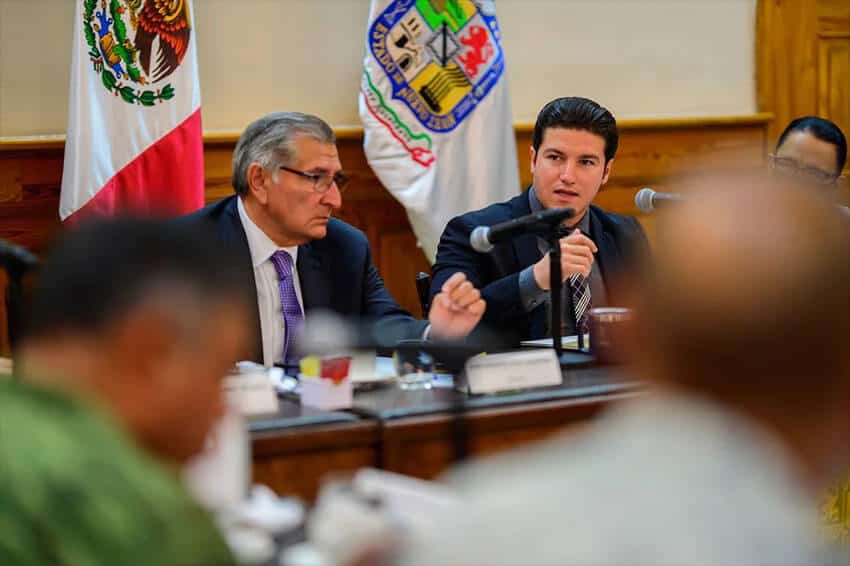
In a video message posted to social media on Friday, Governor García pledged that the aqueduct project would begin “now” to ensure it’s ready for use next year. “It will give us double the water,” he said without citing specific quantities.
García also raised the possibility of desalinating water from the Laguna Madre in the neighboring state of Tamaulipas and bringing it to Monterrey, but didn’t say how or when such a plan could come to fruition.
With reports from El Economista and Reforma