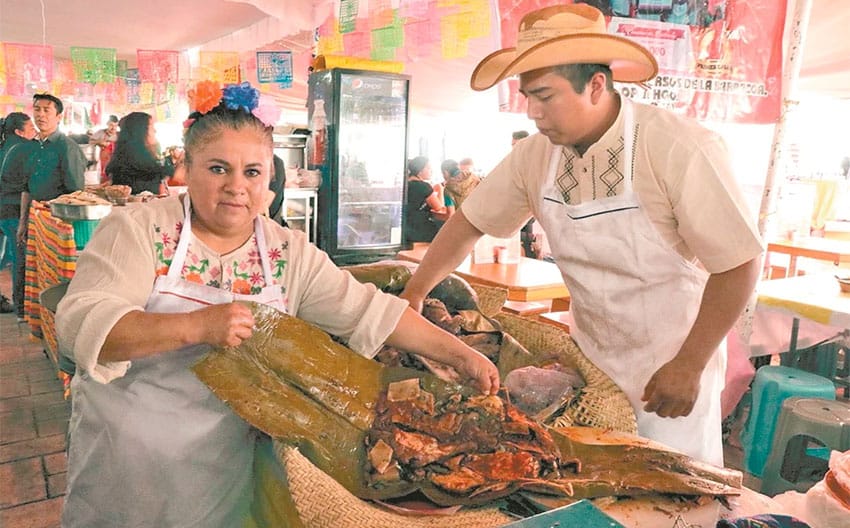
The coronavirus pandemic has dealt a heavy blow to the renowned barbacoa industry in Hidalgo, where some 15,000 families depend directly on the sale of mutton or lamb cooked in the leaves of the maguey plant.
Many barbacoa restaurants and street stands have closed in the central Mexican state due to the pandemic, causing a significant loss of jobs, according to a report by the newspaper El Universal.
Demand for the slow-cooked meat, which is a particularly popular weekend dish, has also fallen due to the ongoing health crisis.
Horacio Gómez, president of a barbacoa producers and vendors association in Hidalgo, told El Universal that the closure of restaurants and the slump in sales has had far-reaching ramifications.
In addition to meat suppliers, people who sell maguey leaves, firewood, cilantro, onions, spices and even soft drinks to barbacoa restaurants have been affected, he said.
Among the municipalities where thousands of people work directly or indirectly in the industry, and as a result have been hit hard by the closure of restaurants and falling barbacoa sales, are Actopan, Tulancingo, Ixmiquilpan, Apan and Tula.
Gómez said that in normal times barbacoyeros, as people who prepare and sell the meat are known, create jobs for up to 40 people, many of whom are now unemployed.

He said that many vendors have left their home towns to try to open restaurants or street stalls in parts of Hidalgo where the barbacoa tradition isn’t as strong and even in other states. However, they have faced difficulties opening new establishments and even encountered opposition to setting up street stalls, Gómez said.
He said that more than 50% of barbacoa eateries in Hidalgo have closed and that those that remain open have seen their sales fall by up to 70%.
Many of those that closed will be unable to reopen due to a lack of resources, Gómez said, explaining that renting restaurant premises, paying employees’ wages and purchasing supplies can cost 40,000 pesos (US $1,840) a month.
“We’re done for, we don’t have capital,” he said. “Citizens don’t have money either to buy a kilo of meat that might cost between 300 and 450 pesos [US $14-$21].”
Source: El Universal (sp)