The coronavirus risk level will remain at “orange light” high in Mexico City next week, although the federal government had proposed switching the capital back to maximum risk red.
Mayor Claudia Sheinbaum announced Friday that “orange light” restrictions will remain in place in Mexico City for a sixth consecutive week.
She reminded residents to continue staying at home as much as possible and to wear a face mask and practice social distancing when they go out.
Anyone with symptoms of coronavirus, as mild as they may be, must stay at home unless seeking medical attention, Sheinbaum said.
The mayor said the number of coronavirus patients receiving general care in hospitals in the Valley of México metropolitan area has decreased slightly, explaining that 99 beds were vacated on Thursday. However, the number of patients on ventilators has gone up slightly, she said.
Mexico City has recorded more than 72,000 confirmed coronavirus cases since the beginning of the pandemic, significantly more than any other state in the country, and the federal Health Ministry estimates that there are almost 6,800 active cases in the capital. Mexico City also leads the country for Covid-19 deaths, with 8,870 as of Thursday.
The Mexico City Health Ministry said Friday that new case numbers have plateaued in the capital after declining in recent weeks.

Although there will be no change to the risk level net week, Sheinbaum said that courts of law will be able to resume normal operations but they will be required to follow strict health rules.
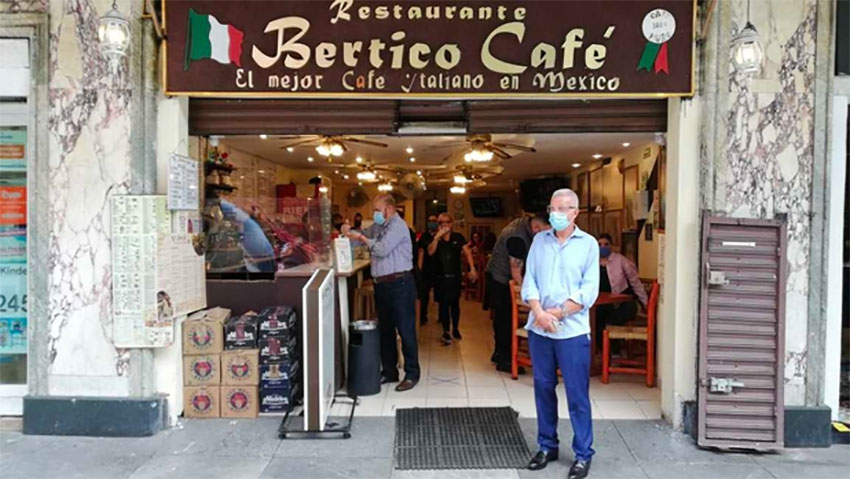
She also said the hours during which restaurants are permitted to open will be extended as of Monday. Most restaurants have complied with the order to operate at no more than 30% capacity and for that reason allowing them to open from 7:00 a.m. to 10:00 p.m. is “viable,” the mayor said.
Bars and other drinking establishments should remain closed while “orange light” restrictions are in place but many are flouting the rule or getting around it by offering food, as well as beverages, to patrons.
In maintaining its “orange light” status, the Mexico City government appears to have had a win over the federal Health Ministry (SSA), which proposed reverting the capital to red on its risk level stoplight.
A draft document submitted to state governments indicated that the coronavirus risk level would switch from “orange light” high to “red light” maximum in Mexico City, Durango and Michoacán from Monday on.
According to the Health Ministry proposal, the risk level in Guanajuato, Oaxaca, Querétaro y Quintana Roo would be reduced from red to orange.
If the only change to the proposal is that Mexico City’s status will remain the same, 16 of Mexico’s 32 states will be “red light” states next week and the other 16 will be orange.
The Health Ministry is expected to present an updated version of its “stoplight” map at Friday night’s coronavirus press briefing.
As of Thursday, Mexico has recorded 416,179 confirmed coronavirus cases and 46,000 deaths.