Coronavirus restrictions in Mexico City were eased slightly on Monday although the capital remains orange light high risk on the federal government stoplight map.
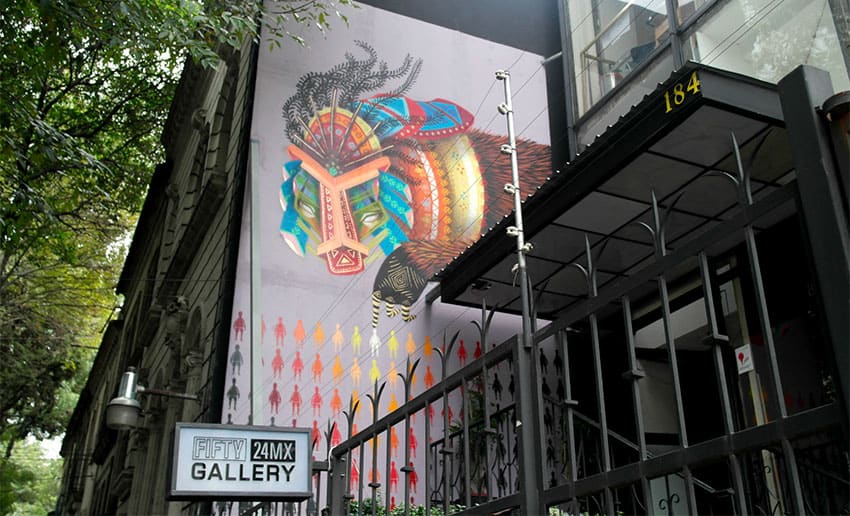
Libraries, commercial art galleries and historical archives are now allowed to open but are required to operate under an appointment system.
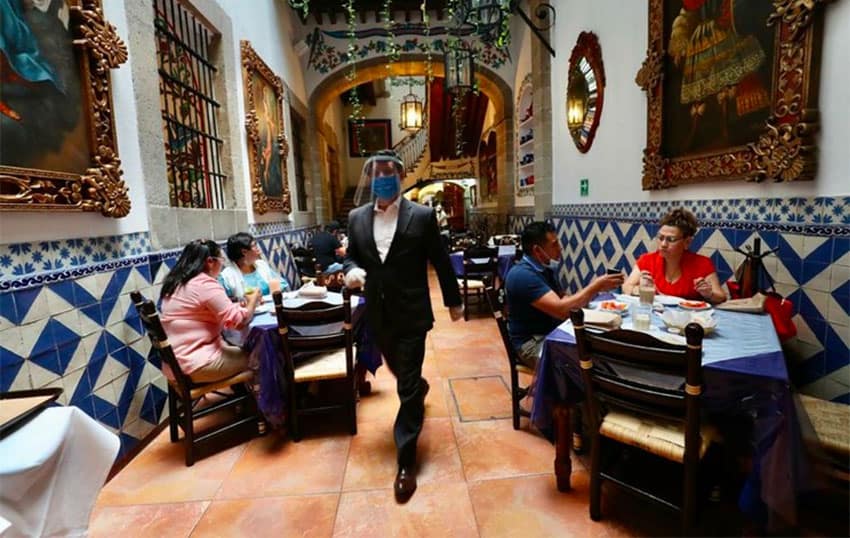
For the first time in more than two months, restaurants may now seat diners in indoor spaces, albeit only at 20% of normal capacity. However, restaurants are only permitted to open up indoor dining spaces if they have run out of room in open air areas, where a 40% capacity limit applies.
Mexico City on Monday begins its second week at the high risk level after remaining at red light maximum risk for eight weeks between mid-December and mid-February. Outdoor theatrical productions were permitted to resume last week and gyms, public swimming pools and places of worship were allowed to reopen. Restaurants were permitted to reopen to in-house diners at the tail end of the eight-week red light period but only in outdoor areas.
The capital has recorded far more coronavirus cases and Covid-19 deaths than any other state but hospital occupancy levels have recently trended downwards.
As of Sunday night, 56% of beds set aside for coronavirus patients in Mexico City hospitals were occupied, according to city government data. The occupancy rate peaked at about 90% last month, although many hospitals in the capital reached full capacity.
Mexico City has recorded 539,990 confirmed cases since the start of the pandemic and 33,901 Covid-19 deaths.

The national accumulated case tally rose to 2.04 million on Sunday with 3,104 new cases reported while the official death toll increased to 180,107 with 310 additional fatalities.
In other Covid news:
• Vaccination of seniors with China’s two-shot Sinovac vaccine began Monday in Ecatepec, México state. A shipment of 200,000 doses of the vaccine, which has been shown to be about 50% effective, arrived in Mexico City on Saturday. All of the doses will be administered in Ecatepec, a sprawling, densely populated municipality that borders Mexico City.
As of Sunday night, almost 1.7 million doses of the Pfizer and AstraZeneca vaccines had been administered in Mexico, mainly to frontline health workers and seniors.
• Four of the five municipalities in Baja California Sur shifted Monday from maximum risk to high on the state’s coronavirus risk measurement system. Health officials announced that La Paz, Comondú, Loreto and Mulegé would advance to level 4 from level 5 after a downward trend in key Covid risk indicators in the past few weeks.
Los Cabos remains at level 4.
• Deputy Health Minister Hugo López-Gatell, who has led the government’s response to the coronavirus pandemic and appeared at the Health Ministry’s press conferences on a near daily basis for almost a year, announced Saturday that he had tested positive for Covid-19.
“I developed symptoms last night, fortunately they’re mild,” he said on Twitter. “The antigen test came back positive and I’m waiting for the PCR test result. I’ll be working from home, attentive to the vaccination strategy.”
Defense Minister Luis Cresencio Sandoval also tested positive for Covid-19 last week. President López Obrador recovered from his Covid-19 illness earlier this month.
Source: Milenio (sp)