The far eastern coast of the state of Yucatán is far from an international tourism hot spot but things are slowly starting to change thanks to an English woman and her Mexican husband.
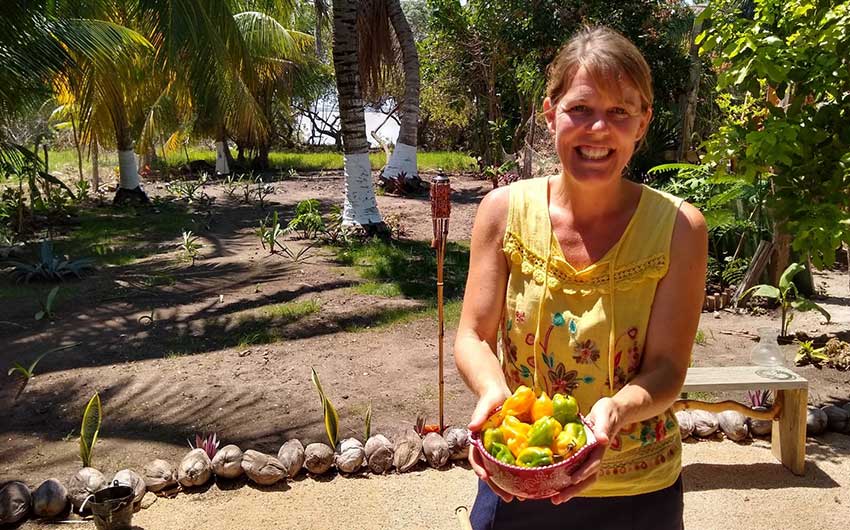
Cathy Sissens and Óscar Flores fell in love with El Cuyo, a coastal village in the municipality of Tizimín, during a weekend camping trip.
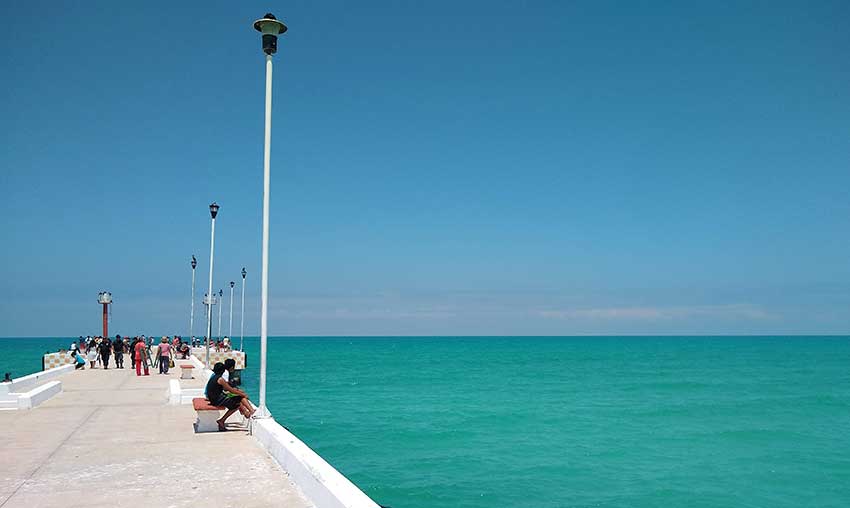
Soon after, the couple decided to pack up their lives in Playa del Carmen and start afresh in the quiet town on the Gulf of Mexico, where according to Sissens, the turquoise sea is like a “mirror.”
She told the newspaper El Financiero that after she and her husband had made up their minds to move they started to think about how they could make a living in El Cuyo, where tourists were few and far between.
Sissens started off teaching English in a local school but after battling with 90 kids who had varying levels of motivation to learn the language, she and Flores – a chef and graphic designer – came up with the idea of opening a restaurant.
It was then that Sissens also put her mind to attracting more tourists to the little slice of paradise just west of the border with Quintana Roo.
She realized that there was little information available – especially in English – about how to get to that part of the coast as well as where to stay and what to do while there.

With that in mind, Sissens opened an Instagram account to show off the local attractions and created a website aimed at international travelers, which has detailed information about El Cuyo.
Why visit, how to get there, what to do, where to stay and where to eat are all covered on elcuyo.net, which also features enticing photos of the blue sea, local wildlife such as flamingos, pink lagoons and people both lazing in hammocks and getting an adrenalin rush while kitesurfing on the Gulf of Mexico waters.
The website quickly generated an upsurge in interest about the remote eastern coast of Yucatán.
“I spend a large part of the day responding to messages from people who ask how to get here or where to stay,” Sissens said.
A lot more foreign faces are now seen around town, she added, and interest among locals to learn English and attend to the needs of international visitors has grown.
Apart from running their restaurant – El Chile Gordo – Sissens and Flores have also opened a workshop where the town’s youth can learn how to make surfboards, kitesurfing boards and skateboards – another project that has helped put El Cuyo on the map.
Source: El Financiero (sp)