An international think tank has added its voice to the criticism of Mexico’s response to the coronavirus-induced economic crisis.
According to the Independent Commission for the Reform of International Corporate Taxation (ICRICT), now is not the time for economic austerity, a policy that President López Obrador has refused to put on the back burner despite the economy taking a sizable hit due to the pandemic and the restrictions put in place to limit the spread of the coronavirus.
Indeed, López Obrador announced more spending cuts in late April, a move that was criticized by many economists and other financial experts.
According to the International Monetary Fund, the Mexican government’s fiscal support for the economy amounts to just 0.7% of GDP whereas the United States and Canada have provided stimulus to the tune of 12% and 9.8% of GDP, respectively.
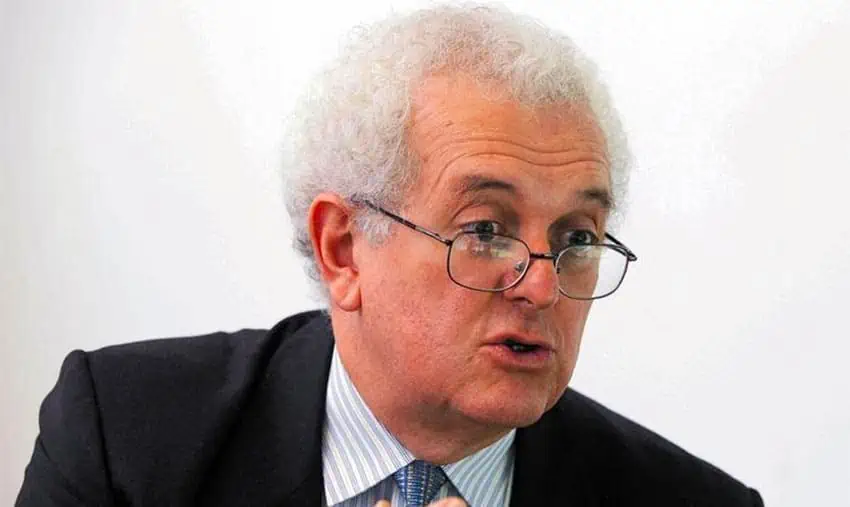
José Antonio Ocampo, chairman of the ICRICT, believes that López Obrador’s refusal to take on more public debt to support the economy is the wrong approach.
“Every country in the world will have very high levels of debt after the crisis. So there is no argument for austerity under these circumstances,” he said.
Ocampo, also an economics professor at Columbia University, charged that Mexico is “one of the worst cases in Latin America” in terms of the government’s management of the economic crisis.

ICRICT commissioner Jayati Ghosh also said that now is not the time for austerity, asserting that it will have a detrimental impact on the economic recovery and job creation both now and in the future.
“It’s impossible to think of a more disastrous macroeconomic policy at this time,” she said.
Ghosh said that some Latin American countries have followed policies of economic austerity out of fear of increasing public debt but added that low tax collection levels have also limited their response to the coronavirus-induced crisis.
Mexico’s Finance Ministry has acknowledged that tax collection is a problem, and amid the coronavirus crisis the government has made recouping unpaid tax, especially that owed by large companies, a central objective.
It has already had some success in recovering unpaid tax from companies such as América Móvil, a telecommunications corporation owned by billionaire businessman Carlos Slim, Walmart, IBM and Femsa, the world’s largest Coca-Cola bottler.
However, López Obrador appears unlikely to support any plan to use greater tax revenue to provide meaningful support for the business sector even as the country is forecast to suffer a deep recession in 2020.
The federal government has only offered loans of 25,000 pesos (US $1,125) to small businesses, placing more emphasis on supporting the nation’s most vulnerable through welfare spending and social programs while forging ahead with its large infrastructure projects, which López Obrador says will help to create 2 million jobs by the end of the year.
Source: El Economista (sp)