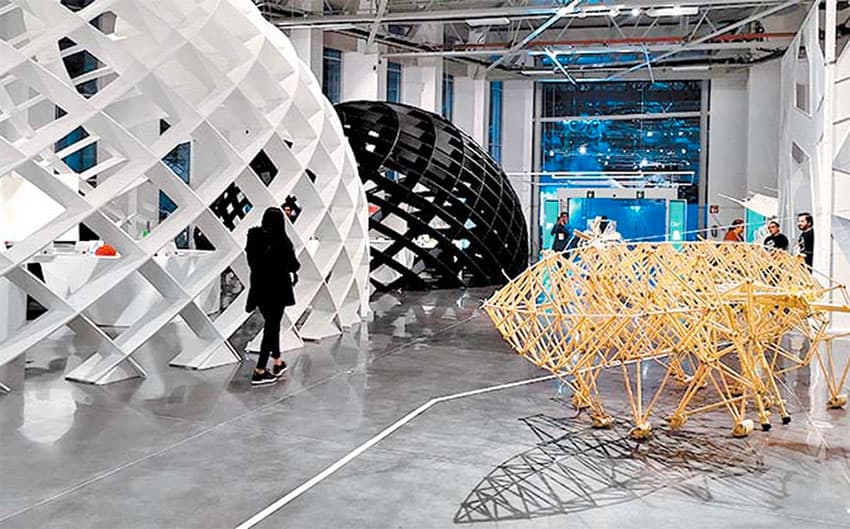
The Sinaloa Science Center in Culiacán has inaugurated a new museum that houses state-of-the-art virtual reality facilities and combines art and technology to bring cutting edge scientific concepts to light in new and engaging ways.
Materia Museum director Luis León said that the goals of the museum are to “bring science [to people] in a way that is easier to understand, use new languages that enable us to have a better impact on new generations … and dare to take on themes not dealt with by other museums.”
Materia is just one of two museums in the world (the other being in Austria) to house 8k augmented reality technology. The “Black Cube” exhibition takes visitors on high-tech virtual journeys to explain scientific, social and artistic trends and concepts.
The museum also hosts temporary exhibitions featuring the work of internationally renowned artists. The first guest artist is Dutch sculptor Theo Jansen, who fuses art and engineering to animate animal skeletons that “walk” using the force of the wind.
The exhibit titled “The Beautiful Creatures of Theo Jansen” compiles 15 of his emblematic pieces to dazzle the first round of visitors for the revamped museum’s opening season.
Other current exhibits include “Under the Moon,” from sculptor Miquel Navarro, “Printing the Future,” “Parasitic” and “Chijikinkutsu.”
With the intent to be in constant flux, Materia administrators formed alliances with 14 international institutions to exchange exhibitions, programs and content.

The partnered institutions include the Miraikan Museum in Japan, the Science Museum in London, the Kathleen McLean Exploratorium in the United States, the Museum of Tomorrow in Brazil, the Pompidou Center in France and the Center of Complexity Sciences at the National Autonomous University of México (UNAM).
The theme for the next season is “Superbugs,” which will deal with mutated bacterial diseases that are not responding to antibiotic medications.
The museum was built with a 200-million-peso (US $10.6-million) investment from both the public and private sectors, as well as input from 2,000 Culiacán residents.
“We sat down with them and asked them what they wanted in the new museum, what they thought about the subject of art mixed with science, what they thought about women in engineering … and we took all that into account,” said head curator Ricardo Rubiales.
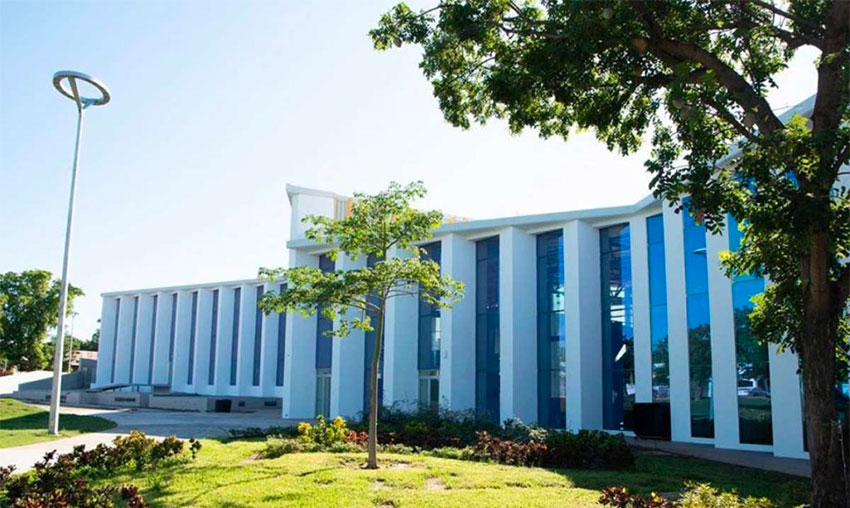
The Sinaloa Science Center was designed and built in 1992 by Alberto Kalach, the renowned architect who is known for creating the Vasconcelos Library in Mexico City.
Tickets for the newly remodeled Materia Museum are being sold at a discounted price of 55 pesos (free for students) until April. After that, general admission will cost 120 pesos.
Source: Milenio (sp)