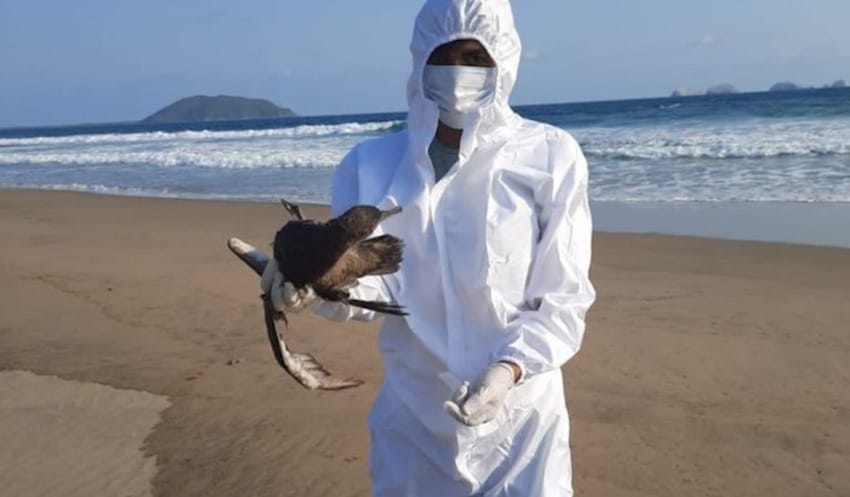
A mass bird die-off on Mexico’s Pacific coast was not caused by avian flu but by the climatological phenomenon ‘El Niño’, said Mexico’s Agriculture Ministry.
Hundreds of wild birds were found dead along the Pacific coast between Chiapas and Baja California in early June, sparking alarm among environmental authorities about a possible outbreak of the highly contagious A (H5N1) strain of bird flu.
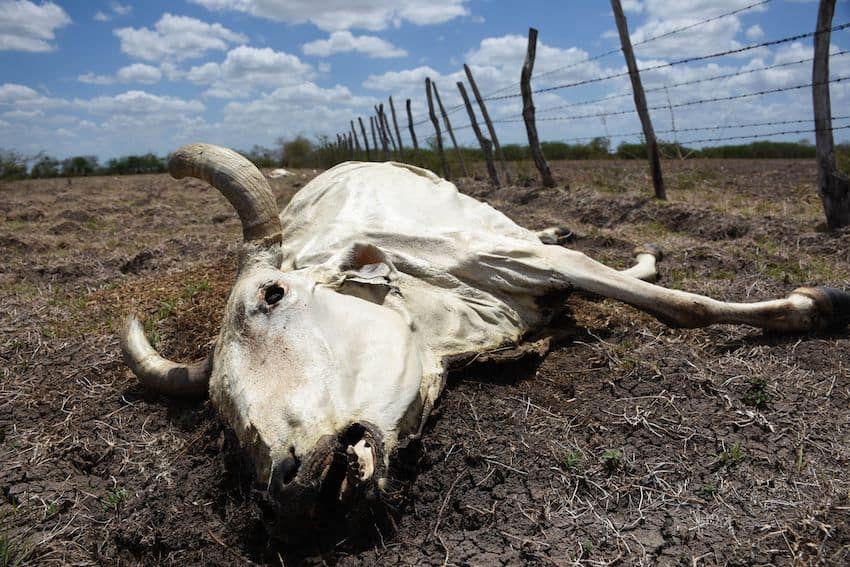
However, autopsies conducted on many of the dead birds by Mexico’s National Service of Health, Safety and Food Quality (Senasica) has concluded that the animals died of starvation.
“The most likely cause of this epidemiological event is the warming of the Pacific Ocean due to the El Niño weather phenomenon, which causes fish to go deeper in search of colder waters, preventing seabirds from hunting their food,” said a statement by the ministry.
El Niño is a cyclical climate phenomenon that causes warming of parts of the Pacific Ocean. This can modify weather patterns worldwide, sometimes triggering extreme events such as floods or droughts.
The investigation of the seabirds’ deaths involved more than 15 veterinarians and biologists from the Mexico-U.S. Commission for the Prevention of Foot-and-Mouth Disease and other Exotic Animal Diseases, as well as local authorities in Mexico’s Pacific states.

The Commission found that 90% of the dead animals are gray-backed shearwaters, which live on the high seas and require high amounts of energy to survive, although dead gulls and pelicans have also been seen. Most of the animals died over the ocean and were washed ashore by sea currents.

Excess seabird deaths have also been reported on the Pacific coast of Chile and Peru, further supporting the theory that the bird deaths in Mexico were the result of El Niño.
In non-El Niño years, a process called upwelling brings nutrient-rich cold waters to the surface of the Pacific off the coasts of Chile, Peru and Ecuador. This allows phytoplankton to photosynthesize and become food for fish who are then eaten by seabirds. El Niño causes this upwelling process to slow down or stop completely.
In May, climatologist Michelle L’Heureux warned that El Niño had formed a month or two earlier than usual this year, which “gives it room to grow.” She said there is a 25% chance it could reach supergiant levels, with potentially severe consequences around the world.
With reports from El Financiero and El País