A dispute over territory has been terrorizing multiple families in tiny southwestern Oaxaca communities who say their homes have been burned down or they’ve been given two weeks to abandon the land they’ve lived on for a century.
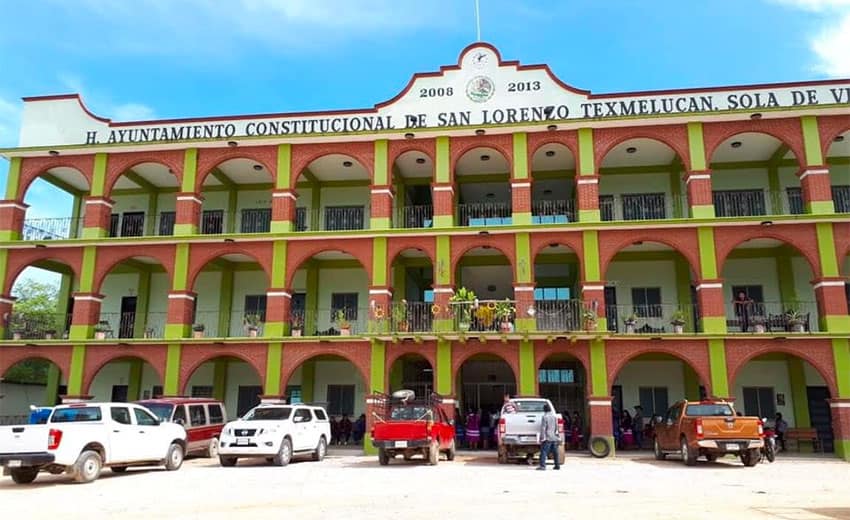
The 10 remote communities that are part of the municipality of Villa Sola de Vega and are made up of 10–15 families say they have been living in fear for two months, and all point to one source of that fear: armed gangs of residents from the nearby municipality of San Lorenzo Texmelucan, who claim that the land belongs to them thanks to an agrarian court decision.
The small community of El Sargento was targeted first, the victims say. Armed groups burned down their houses, forcing them to flee. The latest aggression happened on December 8, when residents of Santa Caterina La Cañada say an armed gang arrived in the community, threatened the local police officer and his family and told him to inform the town’s residents they all had 15 days to evacuate, prompting some residents to leave town the next day.
Residents in the community of El Anis say they have received the same ultimatum.
Those who remain in the 10 communities say they live in fear of being chased out at any point. Some told the newspaper El Universal that they would be willing to acquiesce to legal claims to the land by San Lorenzo Texmelucan residents if those claims were backed with documents.
The communities, which are rural, remote, and sparsely occupied, are located far from the municipal seat in Sola de Vega, which residents feel leaves them without law enforcement. Some say they do not believe the municipal government cares about what is going on and have petitioned the federal government for a resolution and to bring in the National Guard to protect them.
It would not be the first time that the federal government has had to intervene in the area. In 2006, a federal agrarian court ruling regarding a land dispute between San Lorenzo Texmelucan and another municipality in the same area, Santo Domingo Tojomulco, noted that a violent dispute between the two entities had lasted nearly two years and had resulted in several deaths in both communities, forcing the federal government to intervene and mediate.

A Senate document in 2009 noted that the two communities had been fighting over the land as far back as 1935.
Two years ago, Hermilo Ríos, a member of the Sola de Vega municipal council who represented the communities, was killed. He had been heavily involved in trying to find resolutions to the ongoing issue.
There were at least 400 outstanding land disputes in Oaxaca, the state government said a year ago. They had cost the lives of 78 people in the preceding three years.
Source: El Universal (sp)