Fentanyl seizures in Mexico have increased tenfold in the last five years compared to the previous five, according to Foreign Minister Alicia Bárcena Ibarra, who said Mexico accounted for a quarter of global seizures from 2020 to this year.
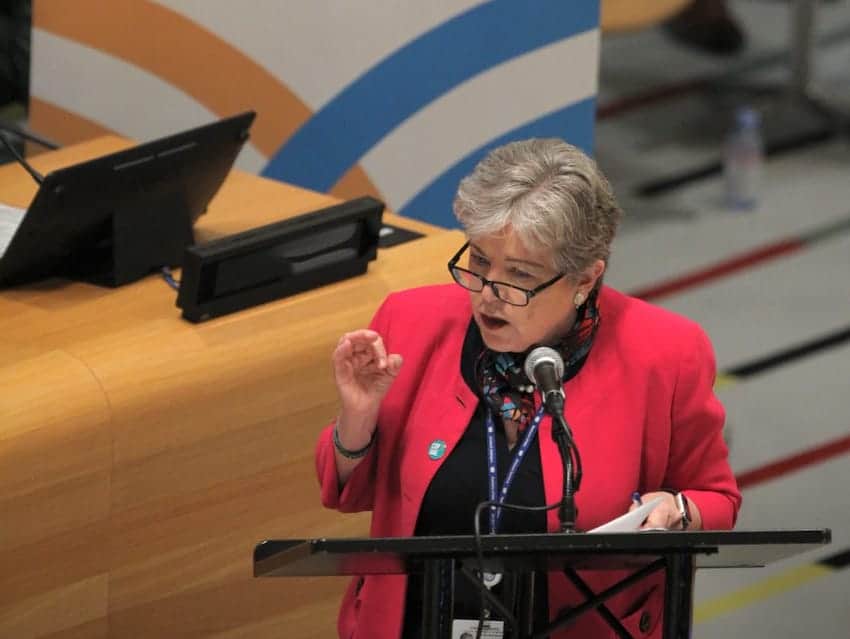
Bárcena shared the figures at the 78th session of the United Nations General Assembly, during a presentation on how Mexico is confronting the threat of trafficking of synthetic drugs like fentanyl.
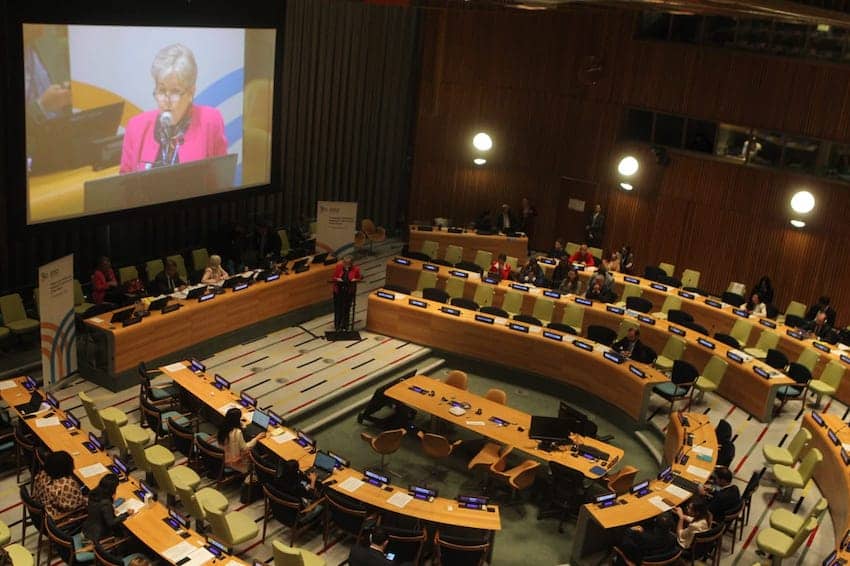
“The actions implemented between 2020 and 2023 by our country represent 25% of fentanyl seizures globally,” she said, adding that a 1,049% increase was seen between the period 2014-2018 and the period from January 2018 to March 2023.
Mexico’s recent successes in the fight against fentanyl also include the arrest in January of drug trafficker Ovidio Guzmán – son of notorious Sinaloa Cartel capo Joaquín “El Chapo” Guzmán – who was extradited to the United States last week.
Bárcena stressed that international collaboration is crucial in the fight against the potent synthetic opioid fentanyl, which caused 70,000 deaths in the United States last year alone.
She highlighted Mexico’s participation in the Global Container Control Program to monitor drug trafficking through seaports, as well as two pilot programs to track chemical imports and detect emerging precursors.
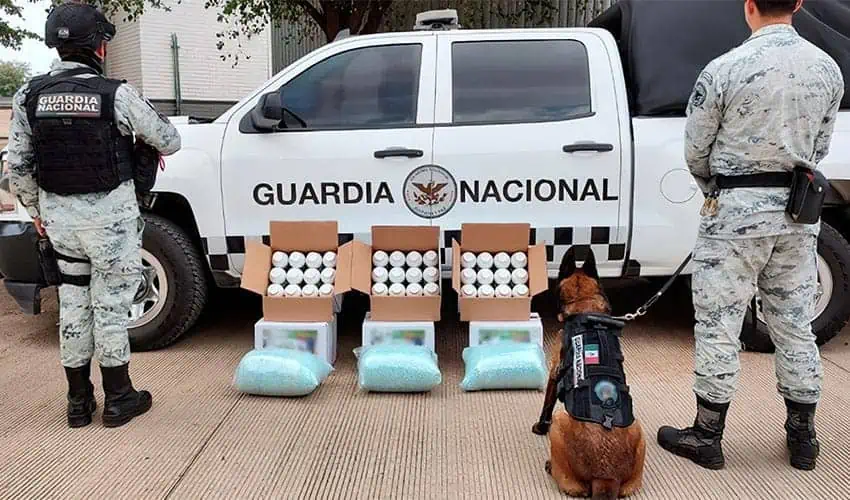
U.S. authorities accuse Mexican cartels of manufacturing fentanyl using Chinese precursor chemicals and then trafficking the substance over the border.

“Mexico has established very close communication with China, with India and with Korea because we want to analyze the chains of the precursor chemicals of fentanyl production and we want to help in this terrible pandemic,” Bárcena said.
China, however, has denied responsibility in the fentanyl supply chain, and refused to join Mexico in the Global Coalition to Address Synthetic Drug Threats launched by the U.S. in July. Mexican President Andrés Manuel López Obrador, on the other hand, has previously denied that fentanyl is manufactured in Mexico, claiming it comes directly from China.
While Bárcena’s speech accepted Mexico’s role in the illegal drug trade, she stressed that combatting arms trafficking is crucial to undermining the power of organized crime. Most illegal weapons in Mexico are trafficked from the U.S.
Bárcena also advocated addressing the fentanyl crisis from “a preventive approach through public health,” focusing on the “structural causes” that lead to addiction.
In her remarks at the launch of the Global Coalition, Security Minister Rosa Icela Rodríguez added that cultural, moral and spiritual values form the “principal vaccine” against this social and public health problem, and must be reinforced.
With reports from Aristegui Noticias