The Mexican government will purchase the brand name and some equipment of the defunct airline Mexicana de Aviación, better known simply as Mexicana, for 815 million pesos (US $48 million), Interior Minister Luisa Alcalde announced on Thursday.
The money spent on the airline will be used to compensate more than 7,400 former employees who were left in the lurch when Mexicana went bankrupt and shut down 13 years ago.
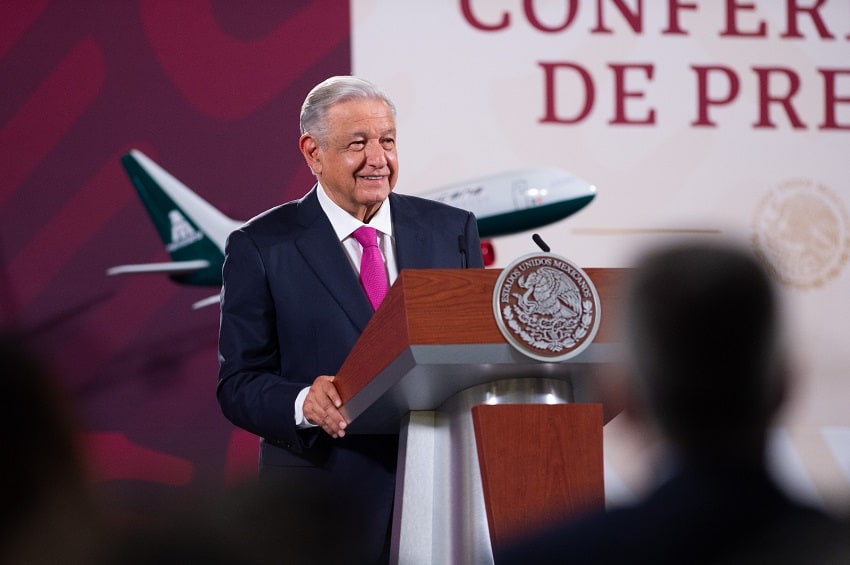
The deal includes the transfer of three buildings and a flight simulator to the Mexican government, which will then revive Mexicana as a military-run commercial airline.
Starting Aug. 15, payments will be distributed among Mexicana’s former employees, who lost unpaid wages and benefits when the airline filed for bankruptcy in 2010. Before ceasing operations, the flagship company, founded in 1921, was Mexico’s longest-standing airline and one of the oldest in the world.
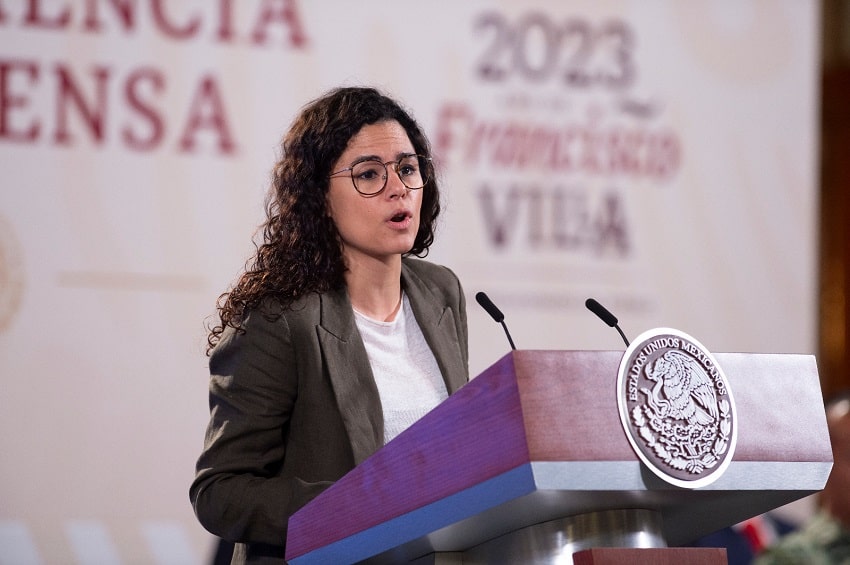
“Today, a historic agreement was reached to achieve justice for 7,407 Mexicana de Aviación workers, pilots, flight attendants, ground staff, trusted workers and retirees,” Alcalde said at President Andrés Manuel López Obrador’s Thursday morning press conference.
“The Ministry of Labor and Social Welfare (STPS) mediated with the different organizations, who held assemblies and consultations among the people [involved], the workers, to reach an agreement,” she added.
Negotiations between the workers and the government over back pay have been ongoing for about three years. The government first announced an agreement to buy Mexicana’s brand and assets at the same price in January, but this stalled over the following months as a group of workers agitated for greater compensation.

In July, President López Obrador halted the negotiations, saying that the government would not make the purchase while the dispute continued.
“The brand would be in litigation, and we don’t want to buy a lawsuit,” AMLO said at the time. “Instead of the money being evenly distributed, as had been agreed, the lawyers went in, made noise and said no [to the deal]. They go to the judiciary [and] file appeals. And we cannot wait because the airline needs to start operating.”
On announcing the revived deal this week, Interior Minister Alcalde stressed the government’s commitment to “recover[ing] at least part of the compensation [the workers] have a right to.” She blamed the Mexicana debacle on the administration of former President Vicente Fox, whose government was responsible for privatizing the airline, selling it to Grupo Posadas. The airline went bankrupt five years later.
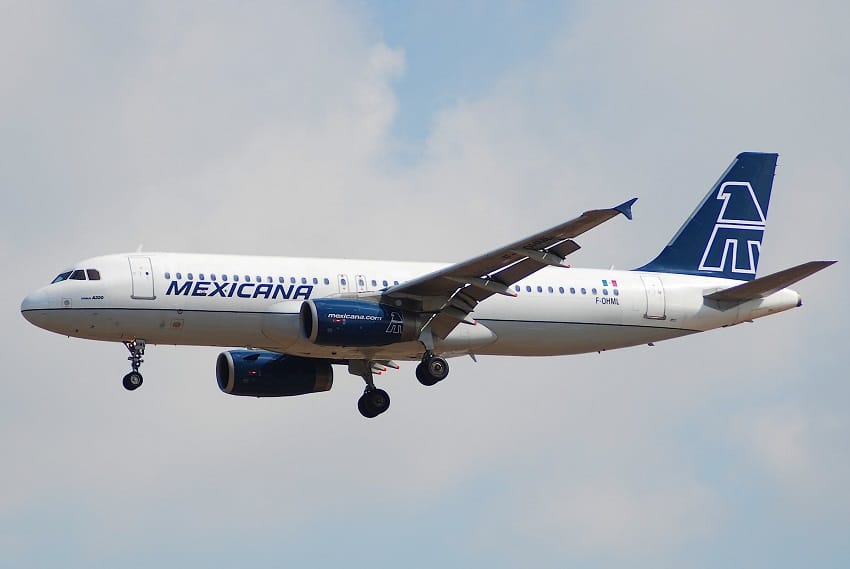
“In 2005 …[Mexicana] was privatized by the government of Vicente Fox, passing into the hands of Grupo Posadas, and in five short years they managed to dismantle and bankrupt what was once Mexico’s most important airline,” Alcalde said.
The general secretary of the Trade Union Association of Aviation Pilots (ASPA), José Humberto Gual, praised the current buyout plan as “an act of social justice” and symbolically presented AMLO with a pair of Mexicana pilot wings.
The government plans to relaunch Mexicana with ten Boeing 737-800s, Defense Minister Luis Cresencio Sandoval announced. These will fly to 20 destinations across the country – including Cancún, Guadalajara, Tijuana, Mérida, Oaxaca, León, Puerto Vallarta, among others – out of the Felipe Ángeles International Airport (AIFA), which was opened by AMLO’s administration on the outskirts of Mexico City last year.
Tickets will go on sale starting in September, according to officials.