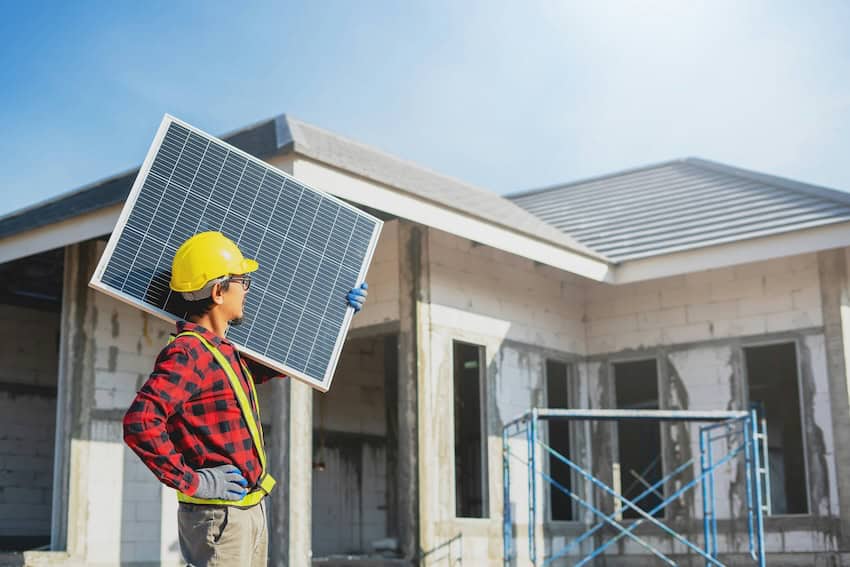
Distributed generation — electricity produced on a smaller scale near where it will be used — is on the rise in Mexico, having increased 9.4% in the first six months of the year, according to the National Energy Commission (CNE).
Driven by the growing use of rooftop solar panels, Mexico’s distributed generation reached 5,675 megawatts (MW) of cumulative installed capacity, with 485.76 MW and 54,766 new contracts added in the first half of the year
By generating electricity via modular systems located at or near the point of consumption, solar panels and other on-site systems don’t use large, centralized power plants or long-distance transmission lines, thereby helping reduce reliance on the national grid and supporting the nation’s transition to green energy-.
Distributed photovoltaic solar energy accounts for 5,640 MW of the distributed power and over 99.5% of the installed capacity under the CNE scheme. Cumulative investment in distributed generation reached a reported US $14.58 billion at the end of June.
“These investments reflect user confidence in these technologies and drive economic development, the creation of specialized jobs and the strengthening of supply chains linked to clean energy and high-value-added technologies,” the CNE stated.
Jalisco dominates in distributed electricity generation
The states with the largest installed capacity are Jalisco (808.58 MW), Nuevo León (596.22 MW) and Chihuahua (424.85 MW), together contributing 32% of the national total. Distributed generation is also growing in Guanajuato, Coahuila, México state, Sonora and Yucatán, demonstrating progress across various parts of Mexico.

In Jalisco, where distributed generation is expected to surpass 1,000 MW by 2030, the scheme is part of its Sustainable Energy Development Plan. The aim is for the state to generate at least as much energy as it consumes by 2030, with 60% of that energy coming from clean sources, up from 42% today.
“Every photovoltaic system installed in Jalisco frees up grid capacity, strengthens the supply chain, generates savings for families and businesses and reduces emissions,” Manuel Herrera Vega, head of the Jalisco Ministry of Energy and Sustainable Development, told the newspaper El Economista.
Those benefits cannot come too soon. The Mexican Institute for Competitiveness estimates that achieving the Plan México growth targets would increase electricity demand by 10.1% , or an additional 11.9 gigawatts (GW) of generation capacity than what is currently considered in the official planning for 2030.
With reports from El Economista