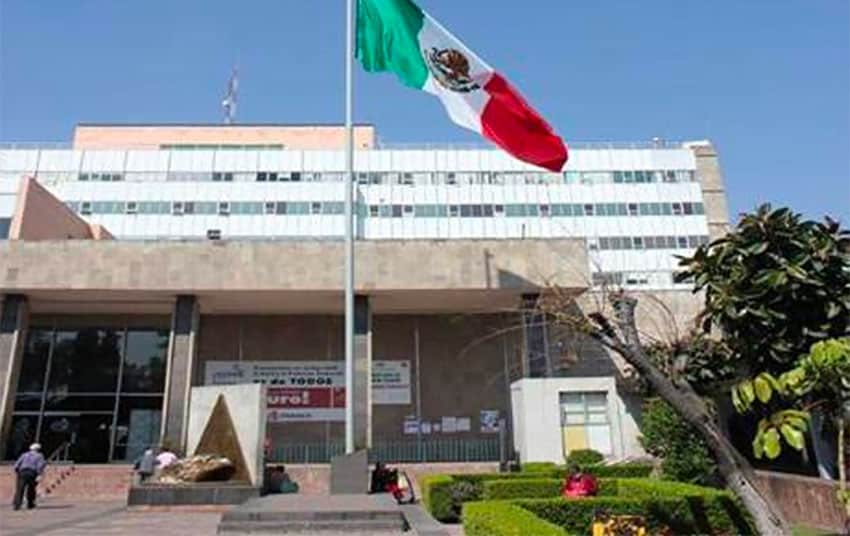
A recent study by doctors at a hospital run by state oil company Pemex reveals that more than one in 10 workers and their family members treated at the company’s health facilities were affected by “medication errors.”
Doctors of internal medicine at Mexico City’s Central Norte Pemex Hospital have been speaking out about the problem since mid-2018.
They published a study in the December 2019 issue of the Pemex health system magazine. Of the 2,600 patients observed in the study, they found that 342 — or 13.15% — had experienced errors in medication at some point in the administration process.
The study found that the majority of errors were committed during the early morning shifts at the Central Norte Hospital.
When considered by medical specialty, the internal medicine department was found to have the most medication errors with a rate of 39.5%, followed by general surgery with 12.3%, orthopedics with 11.4%, cardiology with 5%, oncology with 4.4% and ophthalmology with 3.2%.
Errors were mostly committed during the preparation and prescription stages in the administration process.
Led by Dr. José Óscar Terán González, the research team determined that there was a need to pay better attention during these, the most crucial stages in the process, when doctors have direct contact with patients.

The team confirmed that the Pemex health system urgently needed to improve the service it provides employees and their families.
The study cited the U.S. National Coordinating Council for Medication Error Reporting and Prevention, which defines a medication error as any preventable incident that can bring harm to a patient through the inappropriate use of medications when under the care of health professionals.
The incidents can be related to professional practice, procedures or systems at any stage in the medication process, such as selection and acquisition, prescription, dispensation, preparation and administration.
“Medication errors … must be analyzed as errors in the system, and can occur at any stage in the process,” read the study’s findings.
“The majority [of errors] occur because of deficiencies in the process, although there are many possible ways to prevent them.”
Pemex currently serves around 700,000 oil workers and their families in its system of two central, six regional and 13 general hospitals, as well as its three hospital clinics, 11 community clinics, 24 general practitioner’s offices and one central medical administrative facility.
Two people died and 67 became ill last week at the Pemex Regional Hospital in Villahermosa, Tabasco, after they were given contaminated medication.
However, unofficial reports based on interviews with family members claim as many as 14 people have died at the hospital since February 17.
Source: El Universal (sp)