Annual headline and core inflation rates both declined in February compared to the previous month, indicating that record high interest rates are helping to moderate consumer prices.
The national statistics agency INEGI reported Thursday that headline inflation was 7.62% last month, down from 7.91% in January.
The rate – the lowest since last March – was slightly lower than the 7.67% consensus from analysts surveyed by Citibanamex.
The core inflation rate, which strips out some volatile food and energy prices, fell to 8.29% in February from 8.45% in January. That rate is also slightly below the forecast of analysts polled by Citibanmex.
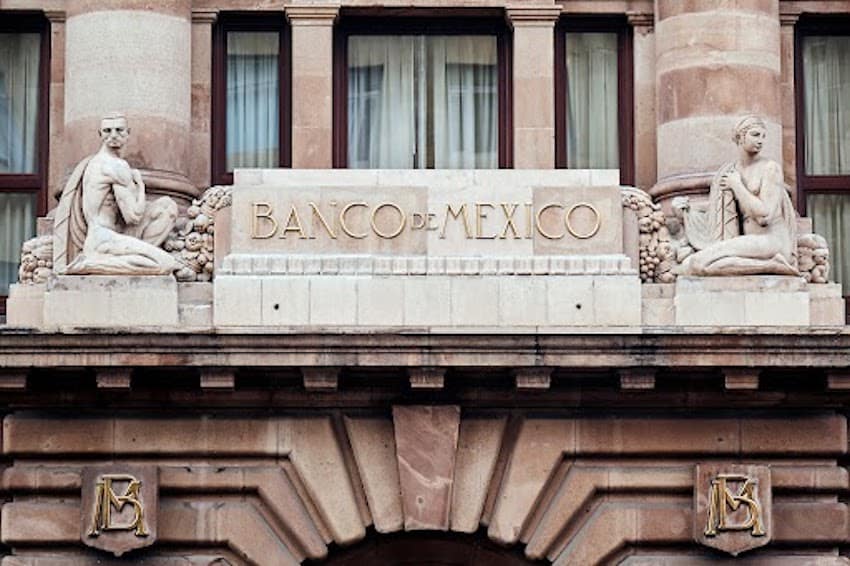
The publication of the latest inflation data comes exactly one month after the Bank of México (Banxico) lifted its benchmark interest rate by 50 basis points to a new record high of 11%.
The central bank’s board will hold its next monetary policy meeting on March 30. Inflation remains well above Banxico’s target of 3% plus or minus one percentage point.
The bank said last month that it expects inflation to converge to its target in the final quarter of 2024, but noted that the projection is subject to a range of risks including “pressures on energy prices or on agricultural and livestock product prices” and “exchange rate depreciation.”

Banxico also said that its next upward adjustment to its interest rate “could be of lower magnitude” compared to the 50-basis-point hike it announced Feb. 9.
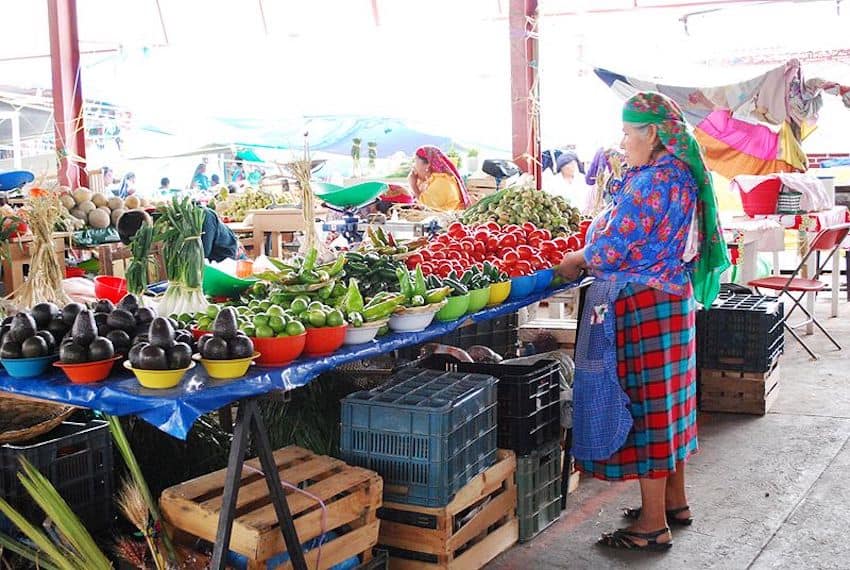
INEGI data shows that prices for processed food, beverages and tobacco rose 13.7% over the past 12 months, the highest increase among the different categories monitored.
Inflation for goods in general was 10.65% while meat prices rose 10.22%. Fruit and vegetables were 8.12% more expensive in February than a year earlier, the cost of services increased 5.55% and energy prices, including those for fuel and electricity, rose 2.77%.
Banorte said Thursday that both headline and core inflation “will likely show a clearer decline for the rest of the year due to favorable base effects stemming from the distortions after Russia’s invasion of Ukraine in late February 2022.”
“Another positive factor is the accumulated appreciation of the Mexican peso in annual terms, with the latter reaching its strongest level since 2017,” the bank said in a statement.
However, “companies’ hesitancy to cut and/or reduce the pace of recent price increases as the economy remains resilient and cost pressures abound” and “the possibility of a harsh drought season in coming months” could affect the pace at which inflation declines, Banorte said.
With reports from El Financiero, El Economista and El Universal