



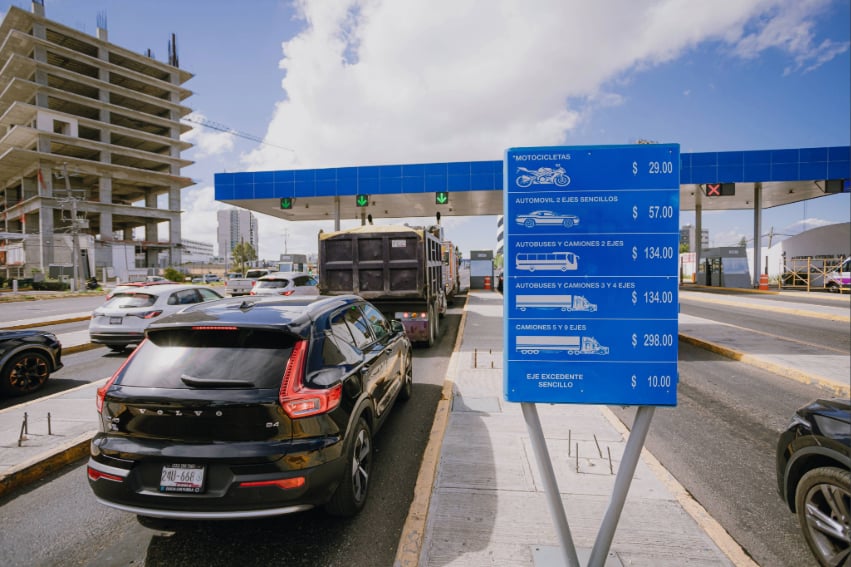
As expected, the Finance Ministry (SHCP) has determined that gas stations and toll booths are the first segments of the economy that will be restricted to only accepting electronic payments.
The new Digital Economy Law required the SHCP to identify priority areas in which the use of cash would be eliminated, and it selected the two sectors that were already conducting pilot programs.
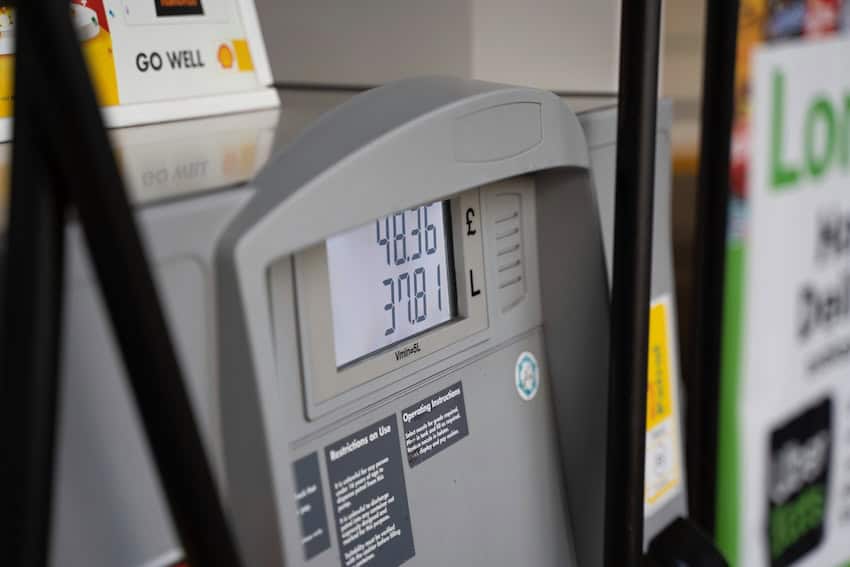
An SHCP directive published Friday defined the “strategic sectors” (hydrocarbons and infrastructure) and outlined the respective activities subject to the Digital Economy Law — sale to the public of gasoline and diesel, and collection of tolls. :
Details remain before implementation can begin. The publication of this order in the government’s Official Gazette gives these strategic sectors 15 business days to establish “the conditions, requirements, obligations and operations” for the receipt of digital and electronic means of payment.
According to the SHCP, digital and electronic means of payment are understood to be: QR codes and NFC devices; debit and credit cards; fund transfer orders (including direct debit); and any device, card or interface that allows the making of payments and transfers of resources.
The SHCP statement says the decision to declare gas stations a strategic sector is designed to discourage tax evasion and “tax-related fuel theft,” and close existing loopholes regarding the illegal sale of fuel.
The statement explains that handling cash makes it difficult to trace the true origin of fuel sold at retail. Electronic payments, on the other hand, leave a traceable footprint.

The government also believes that eliminating cash at public service stations can reduce the risks and costs associated with handling cash for the stations and station attendants.
With regard to toll booths, the SHCP said the transition to a digital economy will eliminate “operational frictions that translate into longer waiting times, traffic congestion and limitations in the capacity to process traffic flows, while also reducing crossing times and improving the efficiency of public transport service.”
For example, the SHCP cited a study which found that the average wait time at toll booths to enter Mexico City is nearly 15 minutes, a delay that would be reduced to 2.40 minutes by paying electronically.
With reports from El Economista, Informador and Forbes México