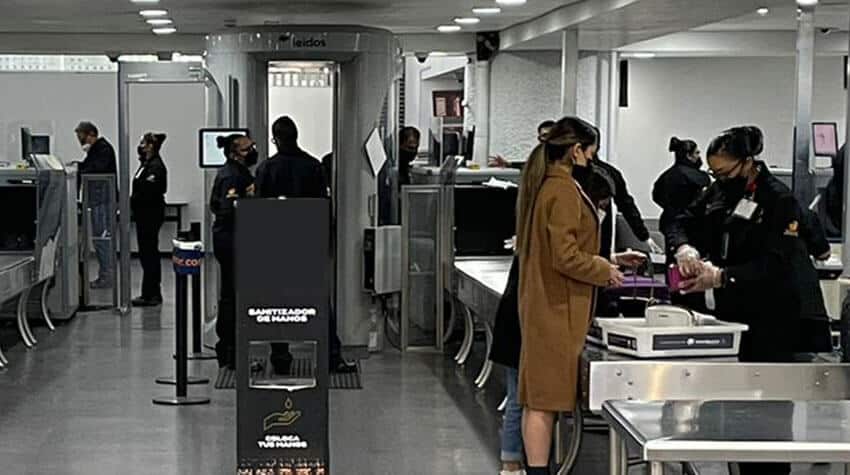
Passenger numbers were up 56% at Mexico City International Airport (AICM) in January in annual terms.
Just over 2 million people traveled through the airport in the first 31 days of 2021, compared to the 3.25 million that flew over the same period this year.
The spike is partly due to an increase in international travelers: last month, almost half were from outside Mexico, whereas fewer than a third were in January 2021. The overall low passenger numbers at the beginning of 2021 trended upward throughout the year, peaking at 4.1 million in December.
However, the number of January 2022 flyers was still relatively few compared to the same month in 2020, before any COVID-19 restrictions on travel were introduced.
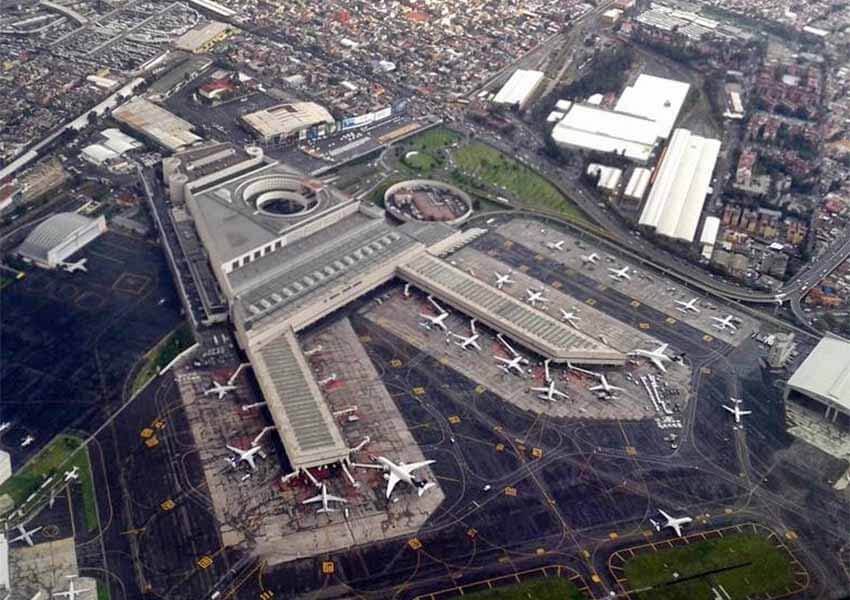
That month saw 4.2 million passengers pass through Mexico City’s airport, 29.6% more than in January 2022.
By April 2020, passenger numbers had plummeted as restrictions were introduced: only 295,654 people traveled from AICM that month.
The air hub may see another hit to its traffic soon: the Felipe Ángeles International Airport (AIFA), located about 50 kilometers north of downtown Mexico City in México state, is slated to open in late March.

Tourism largely recovered in Mexico in 2021. Quintana Roo, home to Cancún, Playa del Carmen and Tulum, played host to 84% of the tourists it had welcomed in 2019.
Mexico News Daily