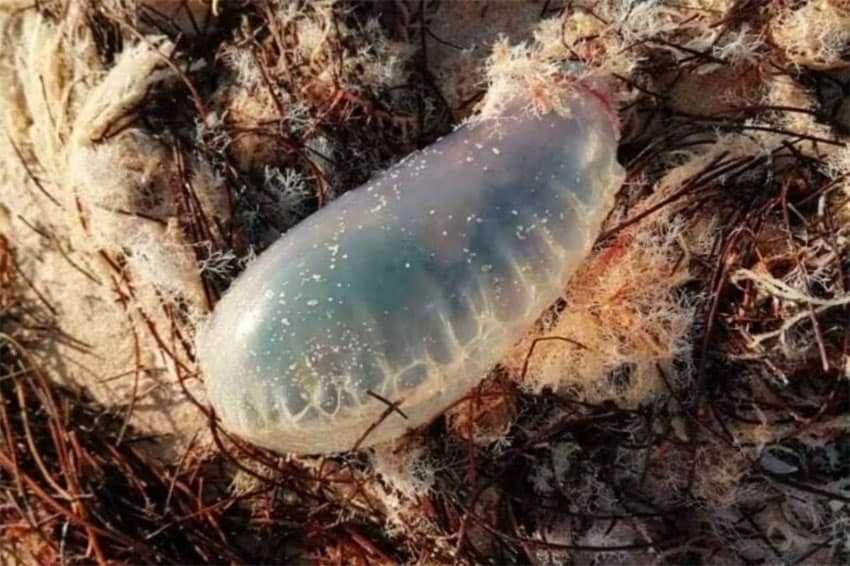
Residents of Progreso, Yucatán, woke up to a slimy surprise on the beach when they found jellyfish in the water and washed up on the sand on Monday.
Mayor Julián Zacarías Curi asked citizens not to come into contact with the creatures, as it is still unknown what kind of reaction they may cause. The beach will be closed until the situation is resolved.
“Today we detected jellyfish on the shore. For safety it is recommended that no citizens or visitors make contact with these jellyfish, since they might cause allergic reactions or be highly painful,” said the municipal government in a press release.
The government issued specific recommendations to the public on how to deal with the situation, including: don’t touch the creatures; don’t take them out of the sea; don’t try to catch them; don’t try to drag them by the extremities; and keep children away from them.
It is asking people to take the warnings seriously. Weather conditions caused jellyfish to come ashore in Sinaloa in June of last year, after which 500 people required treatment for stings they received.
The National Water Commission, the Environment Ministry and the sustainable development department have yet to determine the species found in Progreso and whether or not it is dangerous to people.
This is the first time that jellyfish have been seen on the beach at Progreso, the closest beach to the state capital of Mérida.

It is unknown why the jellyfish arrived on the beach, but they could have been brought by strong marine currents. No federal entity has issued guidelines or other information on the situation.
Sources: El Universal (sp), Mega News (sp)