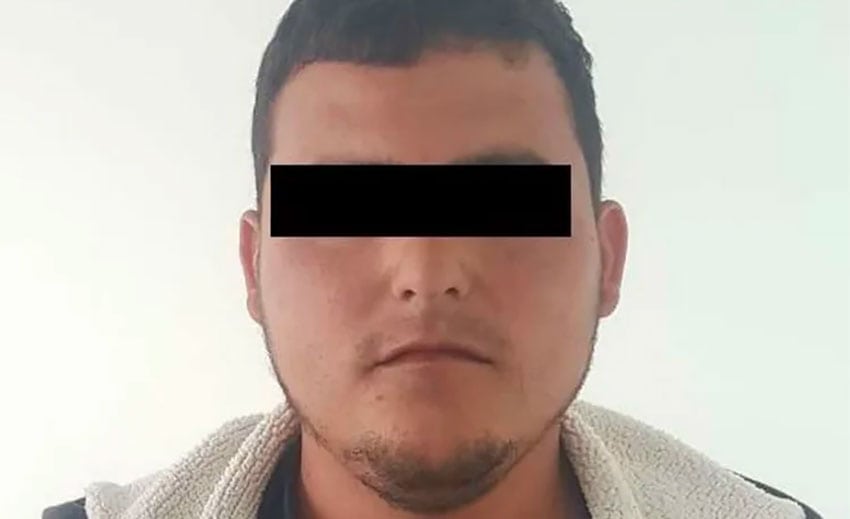
One of the murderers of Sinaloa journalist and newspaper founder Javier Valdez Cárdenas has been sentenced to almost 15 years in jail.
In a historic first sentence in the case of a journalist’s murder in Mexico, a federal judge ordered the imprisonment of Heriberto Picos Barraza, also known as “El Koala,” for 14 years and eight months.
Picos Barraza was the driver of the car used to intercept Valdez on May 15, 2017, a few blocks from the offices of the RíoDoce newspaper he founded in Culiacán, Sinaloa.
The two men accused of shooting the journalist, Juan Francisco “El Quillo” Picos Barrueta and Luis Ildefonso “El Diablo” Sánchez Romero, fled the scene in the car driven by “El Koala.”
Picos Barraza’s sentencing came after he accepted an offer from the Special Prosecutor’s Office for Crimes Against Freedom of Expression (Feadle) which allowed him to avoid an oral trial. In exchange for accepting responsibility for his role in the homicide, the murderer saw his sentence reduced by a third.
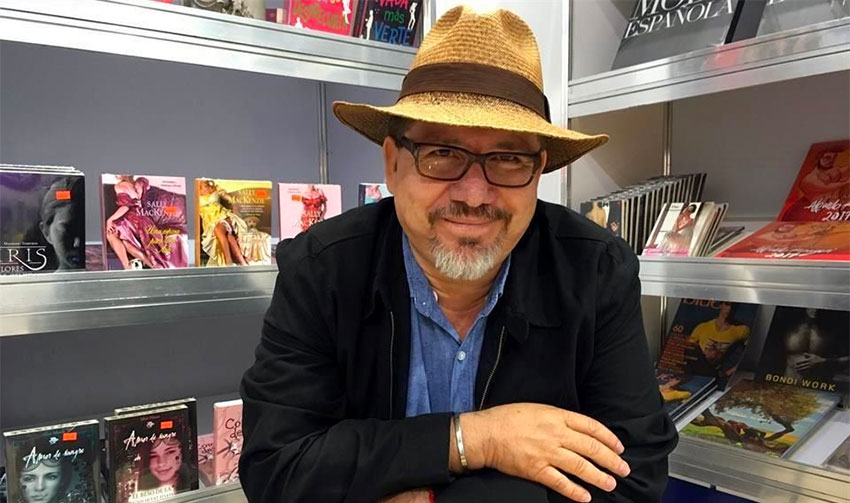
At a hearing in Culiacán on Thursday that lasted more than eight hours, the judge also ruled that Picos Barraza must pay 9 million pesos (US $457,000) in compensation to the family of Valdez, whose reporting primarily focused on organized crime.
During the hearing, federal prosecutors presented a witness who testified that he was approached by Dámaso “El Mini Lic” López Serrano, son of former Sinaloa Cartel leader Dámaso López Núñez, “El Licenciado,” who asked him to murder Valdez in exchange for 100,000 pesos. López Serrano was apparently furious at having been criticized in a story published by RíoDoce.

The witness said that he refused the offer, after which “El Mini Lic” turned to the men who did kill Valdez, who was also the author of several books on drug trafficking and a contributor to the newspaper La Jornada and the news agency AFP.
After the homicide, and amid a battle with the sons of convicted trafficker Joaquín “El Chapo” Guzmán for control of the Sinaloa Cartel, López Serrano fled to the United States and in July 2017 turned himself in to immigration authorities in California. He is now cooperating with the United States Drug Enforcement Administration.
During yesterday’s hearing, Feadle also made an offer to Picos Barrueta to accept responsibility for the murder in exchange for a more lenient sentence. However, “El Quillo” rejected the offer of a prison sentence of 20 years and eight months because he was previously offered a term of 14 years and eight months.
Prosecutors increased the length of the sentence on offer because Picos Barrueta also faces weapons charges in Mexicali, Baja California, and Mazatlán, Sinaloa.
The sentencing of Picos Barraza, the first obtained by federal prosecutors in the murder of a journalist, is a landmark in Mexico, one of the most dangerous countries in the world for media workers.
A total of 131 journalists have been killed since 2000, according to press freedom advocacy organization Article 19, including 11 since President López Obrador took office in December 2018.
Source: Infobae (sp), La Jornada (sp)