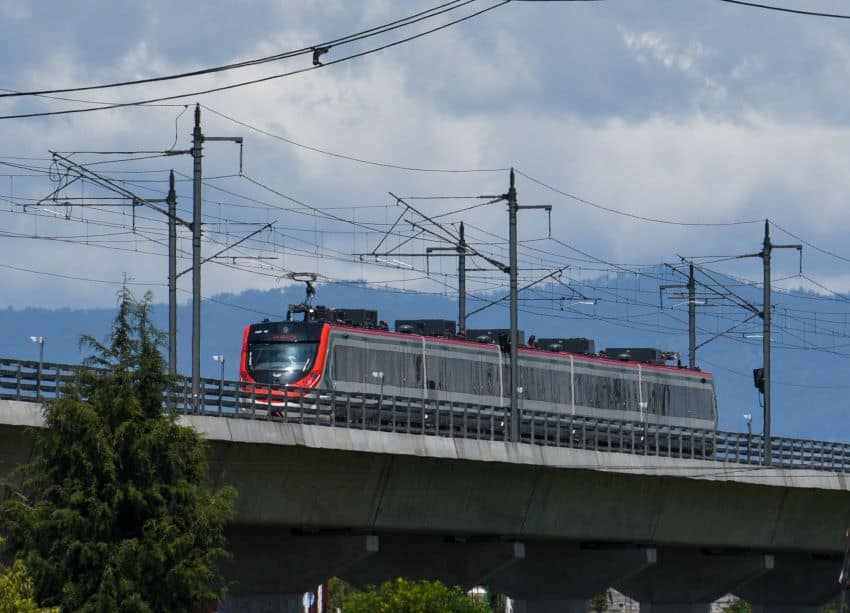
Nine years after construction began, the commuter train that will connect Mexico City with Toluca in México state is ready to launch into limited action.
On Friday, Section 1 of the 58-kilometer (36-mile) line is scheduled to come into operation with four trains. All four of this section’s stations are located in the Toluca metropolitan area, home to 2.5 million people.
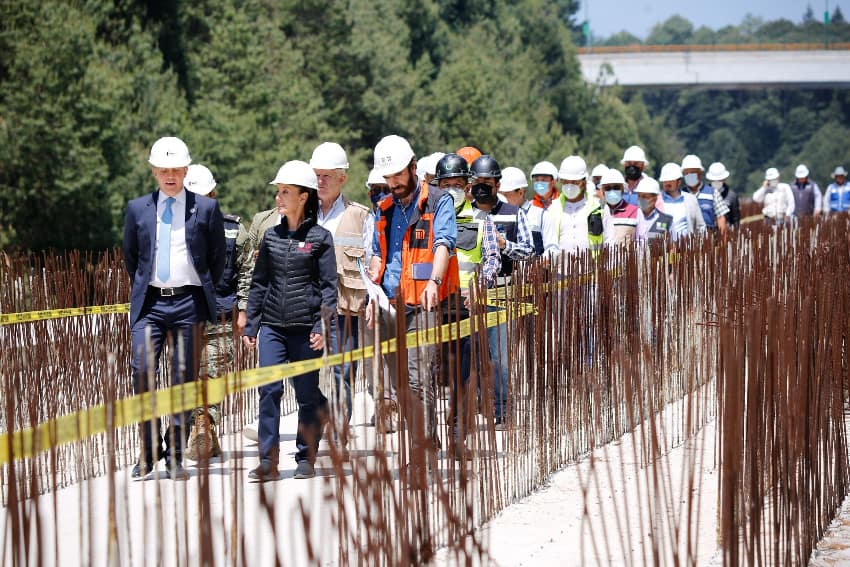
But the train will not yet go all the way to Mexico City. That is expected to occur in 2024, after work is completed on the rail line itself as well as the three stations in the capital’s metro area, including the eastern terminus of Observatorio, where riders will be able to transfer to the Metro system and an intercity bus terminal.
Section 1 of a 23 billion peso (US $1.3 billion) project that has been plagued by delays and cost overruns spans from the westernmost station, Zinacantepec, to the tunnel through the Sierra de las Cruces, which separates the Toluca Valley from the Valley of Mexico. This section’s 36 kilometers (22.4 miles) of track also include the Pino Suárez, Tecnológico and Lerma stations.
Pino Suárez is the station closest to downtown Toluca, and it’s also near the city’s main bus station.
The Tecnológico station is in Metepec, a Pueblo Mágico and one of the nation’s wealthiest municipalities, and will offer connecting shuttle service to the Toluca airport. Lerma is a municipality just east of Toluca and 54 kilometers (33.5 miles) west of Mexico City.
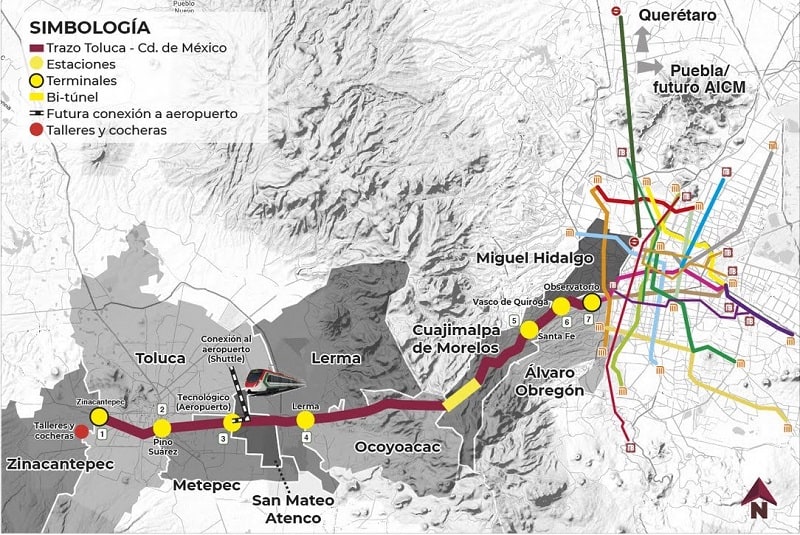
Section 2 of the project is a 4.6-kilometer (2.9-mile) tunnel through the Sierra de las Cruces mountains. Section 3 is the section that needs the most work. Its unfinished rails will cover 17 kilometers (11 miles) and its three stations are not yet completed. The newspaper El Universal reported that the Vasco de Quiroga station is 80-85% complete, Santa Fe is at 64.5% and Observatorio, which will have six levels (two underground, a ground floor and three upper floors) is at only 38.6%.

Luis Deya Oropeza, the deputy minister of infrastructure of the Ministry of Works and Services (Sobse), said there are also five major points of electrified track construction that won’t be completed until December, at best. Rain, bad soil and the route’s passage through some basins that collect water have been a challenge, he noted.
So Section 3 will not be operational at least until early 2024, and perhaps later.
Still, President López Obrador will inaugurate “El Insurgente” on Friday along with the current State of México Governor Alfredo del Mazo and governor-elect Delfina Gómez.
Originally called El Tren Interurbano (The Interurban Train) since its genesis in mid-2014 during the Enrique Peña Nieto presidency, the train line was recently renamed El Insurgente, “in honor and recognition of the father of our country,” López Obrador said, alluding to Miguel Hidalgo y Costilla, the Catholic priest who had a key role in the War of Independence that ended Spanish colonial rule in Mexico.
With reports from El Universal and Infobae