Mexico will send 19 farmers from the national “Sembrando Vida” (Sowing Life) program to the organic products trade fair BIOFACH 2026, which will run from Feb. 10 to 13 in Nuremberg, Germany.
According to a government press release, the farmers will represent the Amuzgo, Mam, Ódami, Totonac, Tzotzil, Yokot’an, Zapotec and other Indigenous communities at the fair, coming from the states of Chiapas, Chihuahua, Guerrero, Oaxaca, Tabasco and Veracruz.
¡TREMENDO EJÉRCITO! 👏🏼❤️🇲🇽
Las y los guerreros de Sembrando Vida de Pijijiapan, Chiapas, muestran el resultado de su esfuerzo, mediante un tianguis de venta de productos, cosechados gracias a este noble programa.
¡SEMBRANDO VIDA ES TODO UN ÉXITO! 👏🏼👏🏼 pic.twitter.com/hD6yAKqxrw
— TORI Noticias (@tori_noticias) December 9, 2025
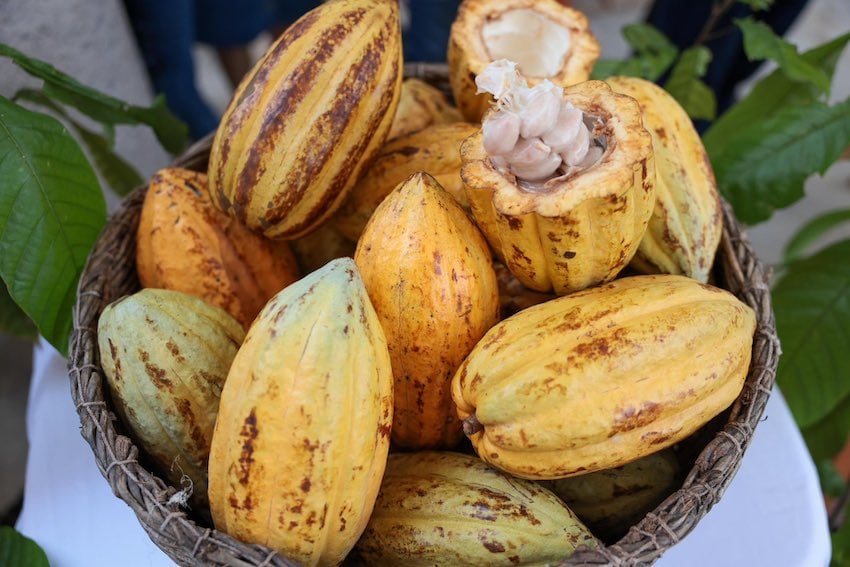
Nine of the farmers will be presenting coffee, cacao and Persian limes, all grown with organic farming processes that support sustainable production.

The other farmers attending will promote Mexican agriculture through networking activities aimed at knowledge exchange and increased visibility of community work.
BIOFACH is internationally recognized as one of the leading platforms for the marketing and promotion of organic food. The annual trade fair brings together producers, buyers, certifiers and specialists from various countries.
Three farmers from Mexico’s Sembrando Vida program are also expected to take part in Fruit Logistica 2026, one of the world’s most important events for the trade of fresh fruit and agri-food products, to be held on Feb. 3-6.
The seeds of the ‘Sembrando Vida’ program
Launched in 2018, Sembrando Vida addresses both food security and reforestation by helping rural farmers produce food sustainably on 2.5-hectare plots while planting trees.
Participants must prove land ownership and residence in a socially marginalized municipality to join the program. Once enrolled, they receive 6,450 pesos monthly (about US $370) plus seeds, plants, tools and other supplies to apply agroforestry techniques in the cultivation of crops. Beneficiaries join Farmer Learning Communities (CACs) where they develop collective production projects and receive technical training at community nurseries, biofactories and training centers.
To date, the program covers more than 1.1 million hectares across 24 Mexican states and has planted 1.1 billion trees, capturing an estimated 30 million metric tons of CO2 annually. In a 2024 speech, President Sheinbaum said the program supports 439,000 disadvantaged families in Mexico and 40,000 in Guatemala, Honduras and El Salvador with an annual budget of US $1.7 billion.
With reports from Milenio