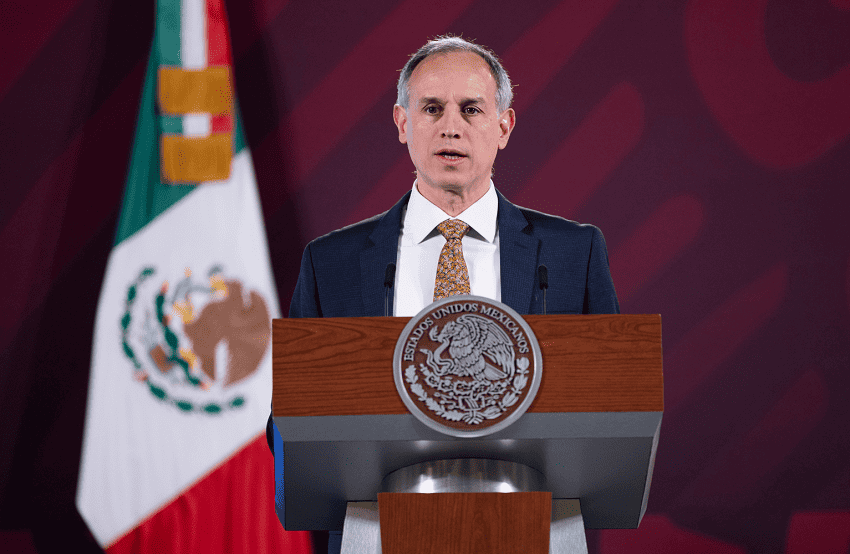
The COVID-19 emergency is officially over in Mexico, the Health Ministry announced today, days after the World Health Organization (WHO) declared an end to the maximum alert for the pandemic worldwide.
Deputy Health Minister Hugo López-Gatell said at President López Obrador’s morning press conference that COVID-19 can now be managed as an endemic disease thanks to decreasing cases, high levels of immunity and better management of patients.
“Given that the characteristics considered by the WHO are met … the president has signed a decree that ends the original decree of March 23, 2020, in which the health emergency was established,” López-Gatell said.
“With this decree, the agreements issued by the health council and the Secretary of Health will be suspended,” he said.
The new decree ends the powers the federal government assumed during the emergency to impose measures such as school closures, social distancing and home shelter for vulnerable people.
Instead, Mexico will now implement a long-term COVID-19 management plan, including monitoring and alert systems, supporting hospital care and integrating COVID-19 vaccinations into general health plans.
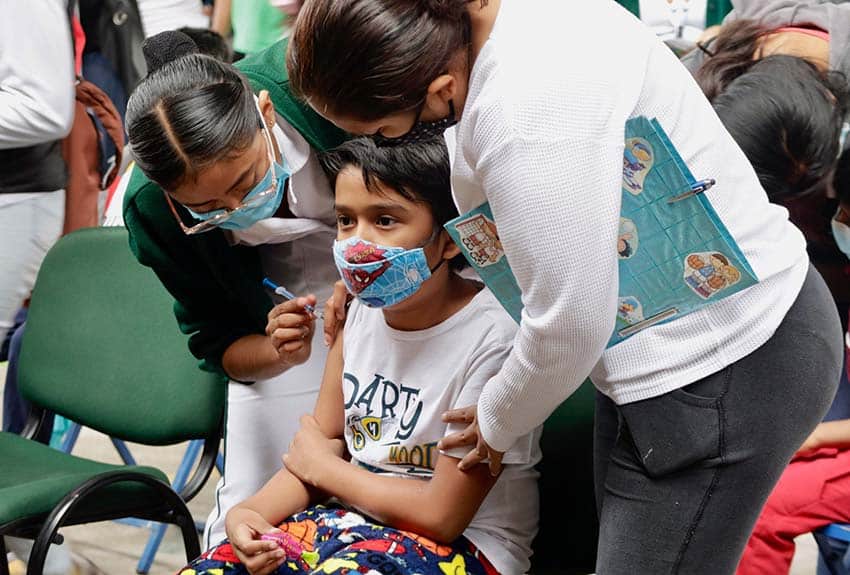
The implications for vaccine procurement are still unclear. During the pandemic, the federal government used emergency powers to acquire nearly 225 million vaccines and vaccinate nearly 100 million people, at a cost of around 45 billion pesos (US $2.5 billion).

It’s also unclear what impact the new decree will have on issues such as medical insurance, payment for diagnostic tests and employers’ obligations to cover sick leave for employees infected with the virus.
Mexico closes its health emergency with an official count of 505,746 excess deaths between 2020 and 2022, according to the National Population Registry (RENAPO). However, only 333,960 of these have been confirmed and registered by the Epidemiological Monitoring System for Respiratory Illnesses (SISVER).
More than 7.5 million COVID-19 cases were confirmed in Mexico during the pandemic. Health authorities estimate that around 80% of the population has been infected, some asymptomatically.
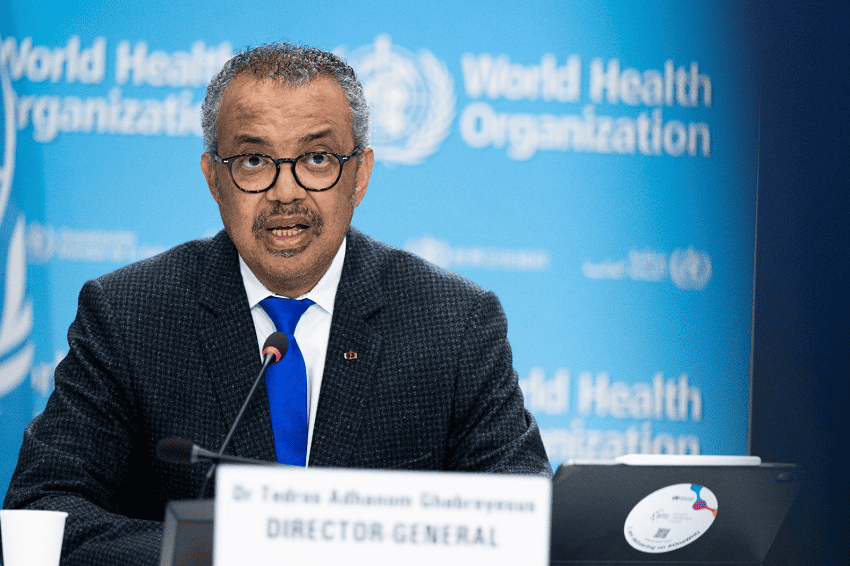
The COVID-19 pandemic caused at least 20 million deaths worldwide, nearly three times the official count, according to WHO Director-General Tedros Adhanom Ghebreyesus.
“It is therefore with great hope that I declare COVID-19 over as a global health emergency,” he said on Thursday, although various WHO officials cautioned that the COVID-19 threat continues and that governments must learn the lessons of the pandemic.
“The battle is not over,” said Michael Ryan, director of the WHO Health Emergencies Programme. “We still have weaknesses and those weaknesses that we still have in our system will be exposed by this virus or another virus. And it needs to be fixed.”