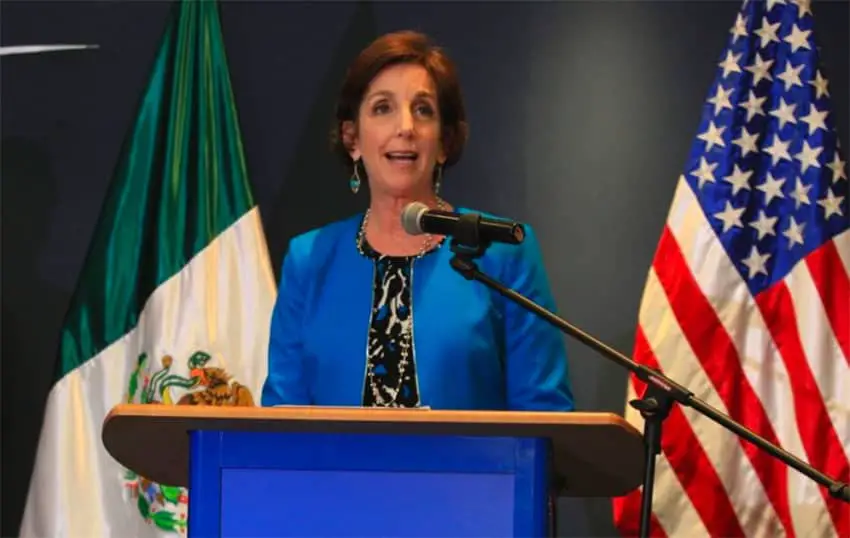
In an explosive interview with Proceso magazine published on Saturday, former U.S. ambassador to Mexico Roberta Jacobson revealed that the Mexican government knew about the criminal activities of former head cop Genaro García Luna.
However, she later said via Twitter that she had never seen any “corroborated information” about García’s involvement in drug trafficking.
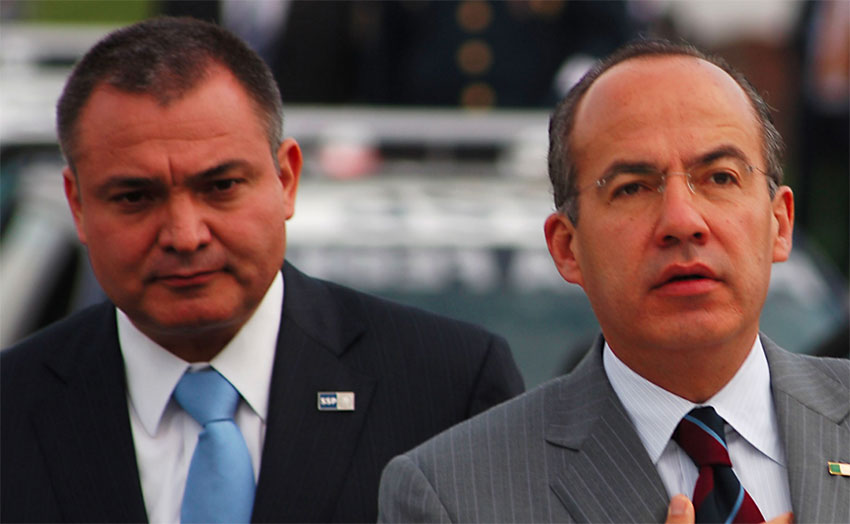
Garcia, the Minister of Public Safety under Felipe Calderón, was arrested in December 2019 in Texas on charges of receiving millions in bribes from the Sinaloa Cartel. He is currently awaiting trial in New York.
In public García played the role of supercop, but in private he had close ties to Joaquín “El Chapo” Guzmán’s drug smuggling ring, something Mexico was well aware of, Jacobson said.
And so was the United States.
“The information we obtained – in the State Department – was through U.S. officials, but it came from Mexicans, they were those who received the most information and had information about the corruption of García Luna,” she told the magazine.
“The Mexican government knew as much as we did, if not more, and never took action at the time and therefore I find it a little naive to blame the United States for not taking action,” said the former ambassador.

In a pair of tweets following the publication of the story, Jacobson appears to soften her remarks and deflect blame for allowing García to act with impunity.
On May 3 she posted: “Let’s be clear about what I said — and have always said about former secretary García Luna: 1. I never saw any CORROBORATED information of involvement in drug trafficking; 2. In an environment of many rumors, one is always cautious about working with officials.”
Former President Calderón also denied having any concrete evidence that García was involved in illegal activities. “If the United States government had had actionable information against any top Mexican official, that information should have been communicated to my government through one of the robust communication channels we had,” he wrote in a letter to Proceso published Sunday. “That did not happen.”
Today, President López Obrador called on the United States to investigate its top federal law enforcement agencies and their possible cooperation with García, especially during “Operation Fast and Furious,” when U.S. weapons were allowed to make their way into Mexico in an effort to track the guns in Mexico.
Those weapons, López Obrador said in his morning press briefing, “were used to murder people, so it does merit a thorough investigation. It is not only corruption, it is a criminal association between governments or between officials of two governments. All of this must be analyzed.”
Jacobson was ambassador to Mexico from May 2016 until May 2018.
Source: Proceso (sp), El Universal (sp)