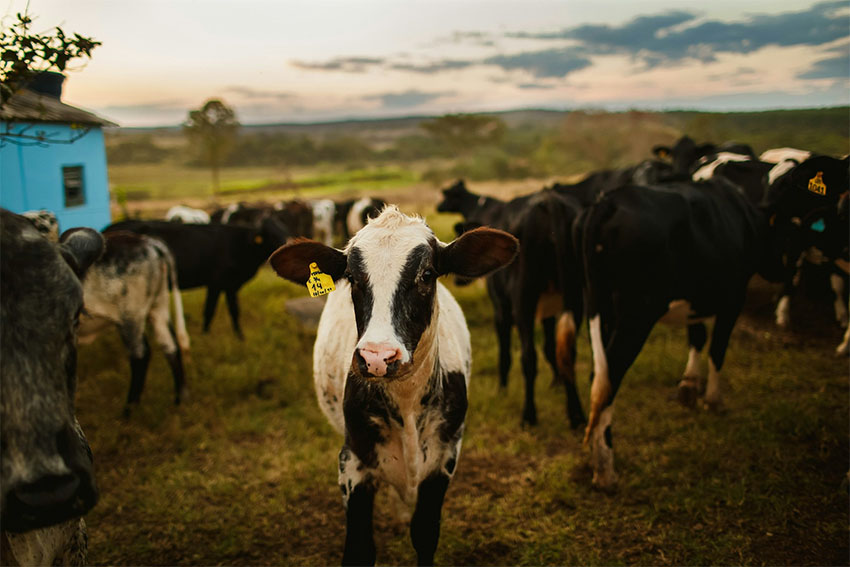
Mexico will resume cattle exports to the United States starting this week, following a memorandum of understanding signed between both countries.
Exports were halted at the end of last year due to several cases of New World screwworm infections found in cattle in southern Mexico.
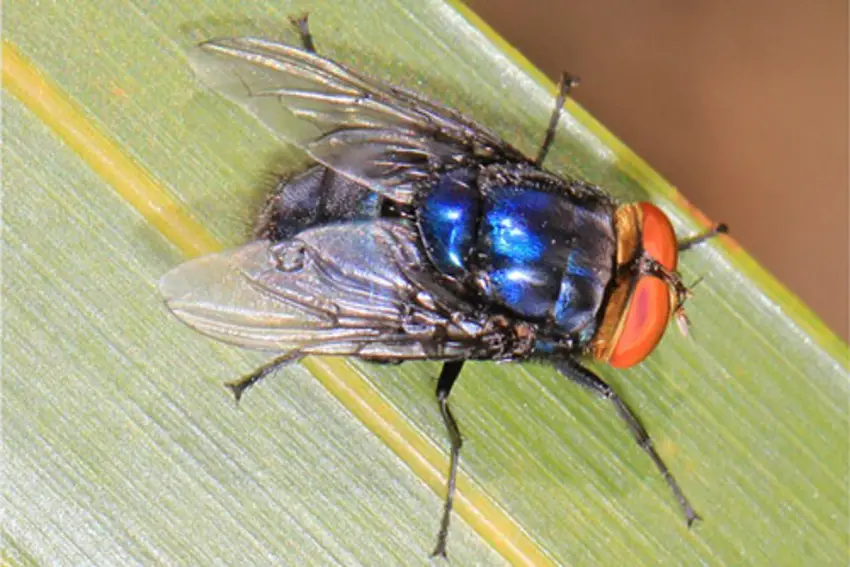
Screwworm is an infestation caused by the larvae of the fly Cochliomyia hominivorax, which feed on the living tissue of mammals. An outbreak of the deadly parasite is ongoing in Central American cattle, but before last November it had not recently been detected in Mexico.
Following the first cases of screwworm in Mexico, U.S. authorities cancelled exports and suspended the entire livestock sector in the country, which has been unable to move its animals for more than 70 days.
Rogelio Soto, president of the Durango Regional Livestock Union, estimates that the blockade of the last three months cost Mexican cattle farmers some US $312 million in lost income.
Over 200,000 cattle stranded at the Mexico-U.S. border
The agreement signed by the U.S. and Mexico, sets out stricter control measures and significantly reduces the number of calves that can enter the U.S. per day. Before the screwworm crisis, some 2,800 calves were passed through each quarantine station daily. Now, that number has been reduced to about 500.
Estimates show that as of Thursday, some 240,000 heads of cattle were stranded on the Mexican border waiting to cross to the U.S.

So far, only two states have been authorized to resume crossings: the quarantine station in San Jerónimo, Chihuahua, is now open and the quarantine stationsin Agua Prieta and Nogales, Sonora, are expected to open Friday. Several other locations are still awaiting a new agreement to resume exports. This includes the Piedras Negras station in Coahuila and the state of Durango, which is waiting to export its cattle through the Oginaga station in Chihuahua.
The new protocol created by the U.S. Department of Agriculture (USDA) and the Mexican Ministry of Agriculture requires that USDA-approved holding pens be used, where U.S. inspectors will examine cattle before they cross the border. It also requires all cattle to undergo deworming with ivermectin at least one week prior to crossing, and a thorough inspection to ensure the cattle is free of wounds.
According to Soto, the new export agreement conditions will negatively impact the sector.
Our strongest and most reliable tool for eradication of New World screwworm is through sterile insect technique. The sterile male screwworm fly mates with fertile female screwworm fly, causing the population of screwworm flies to decrease until it eventually dies out.#USDA #APHIS pic.twitter.com/LbsGoEhTnN
— USDA Animal and Plant Health Inspection Service (@USDA_APHIS) December 12, 2024
“[The new protocol] will slow us down, meaning that we will receive less revenue,” Soto told newspaper El País.
Sonora, Chihuahua, Durango and Coahuila are the states most deeply affected by the closure of exports, though Veracruz, Jalisco and Michoacán have also seen impacts. Livestock organizations are demanding that the Mexican government temporarily close the border with Guatemala and Belize, the main hot spots for cattle smuggling in the country and the most likely entry point for screwworm, which is widespread in Central America.
In the last year, Panama, Costa Rica, Nicaragua, Honduras and Guatemala have raised the alarm with more than 40,000 cases detected, although there could be many more.
With reports from El País and El Economista