Mexico’s southeast requires at least 17 billion pesos (US $833.5 million) over the next five years to address climate change impacts and the growing water crisis, according to an analysis from the National Autonomous University of Mexico (UNAM).
The analysis, “Challenges and Opportunities for Water Security in Mexico’s Southeast: Chiapas, Tabasco and Veracruz,” was developed by specialists from UNAM’s Water Network, the Regional Center for Water Security (CERSHI) and the Water Advisory Council to provide solutions to address the region’s water shortage.

“The analysis suggests a 30% increase in investment for infrastructure in rural areas, with the aim of reducing disparities with urban areas,” the Water Advisory Council’s president Raúl Rodríguez Márquez said in a statement.
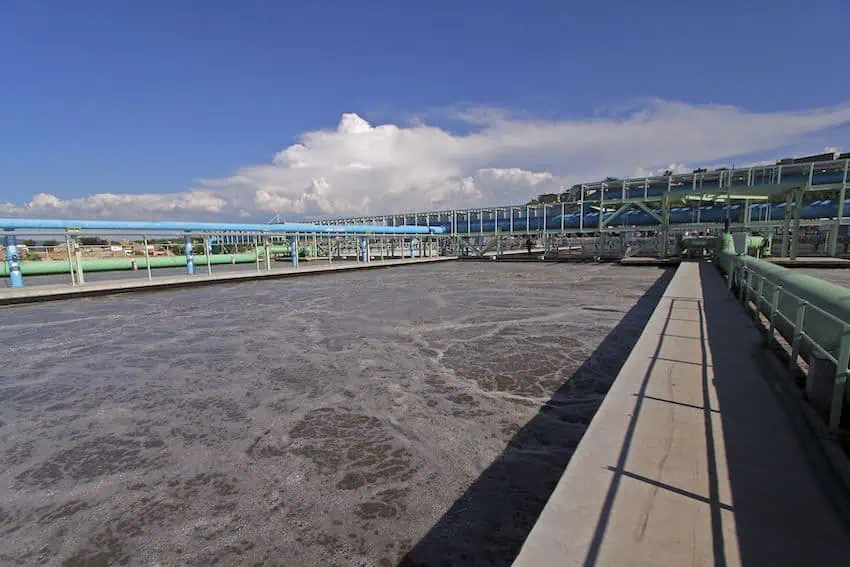
However, rapid population growth, industrial development, extensive agriculture and inadequate water management infrastructure have led to water scarcity, pollution and unequal access, according to the report.
The region also faces climate challenges like more intense floods, droughts and soil erosion.
The authors suggest that Mexico’s existing water management system is outdated and in need of an update.
“Since the first National Water Plan in 1975, a high concentration of hydraulic infrastructure and investments in water and sanitation was identified in the center and north of Mexico, leaving the southeast behind,” stated UNAM Water Network’s technical coordinator Fernando González Villarreal.

The analysis also highlights the lack of recognition of community organizations, reduced technical capacities of regional institutions and the low levels of investment in the region’s water infrastructure development and maintenance.
The executive coordinator of the UNAM Water Network Jorge Alberto Arriaga Medina said that the region requires greater federal and state resources to address water security.
“And at the same time,” he added, “systems for transparency, accountability and citizen participation should be strengthened so that investments reach their destination for the benefit of all people.”
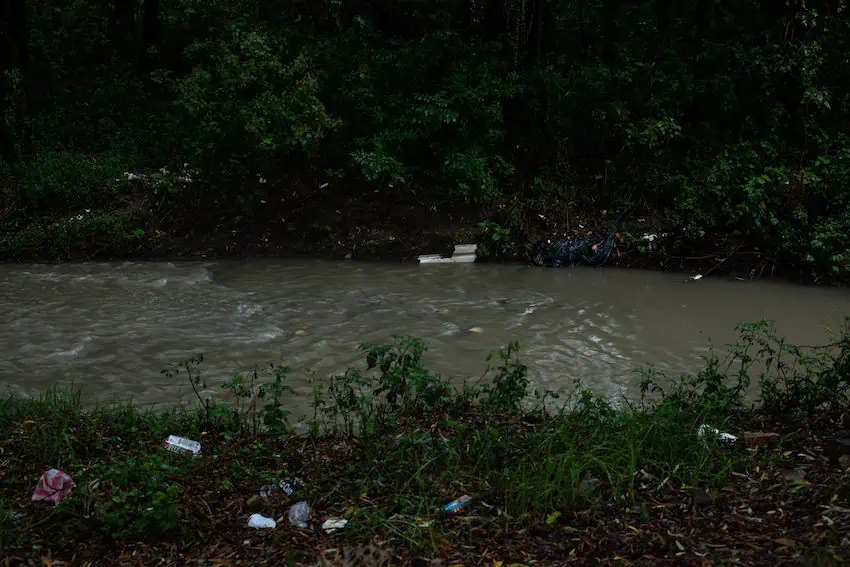
The authors also recommend improving early warning systems for flooding and enhancing compliance with territorial regulations to prevent construction in flood-prone areas.
The Southeast’s economic potential
Thanks in part to the abundance of energy and water resources, Mexico’s southern states are attracting increasing attention for nearshoring activities and higher levels of foreign investment, according to the economic consultant Alejandro Delgado Ayala.
“The south is beginning to gain relevance, especially Veracruz because it has water, it has a port, it has electricity, it has natural gas and it has many engineers because of the whole petrochemical sector; for us, Veracruz is a big player,” Ayala, a managing partner at the firm GCR Consultores, told the publication El Economista.
The states of Veracruz, Chiapas and Tabasco together have a population of around 16 million people and contribute over 8% of Mexico’s GDP.
During the first half of 2024, Veracruz attracted $1.5 million in new investments, according to Economy Ministry data.
However, when it comes to nearshoring preparedness, Chiapas and Tabasco ranked 17th and 18th, while Veracruz ranked 29th out of all 32 Mexican states in 2024, according to an analysis conducted by the Mexican Institute for Competitiveness (IMCO).
With reports from Aristegui Noticias and El Economista